
China Warns Japan Over Taiwan Policy, Accusations Escalate
 Aime Summary
China has escalated its diplomatic and political rhetoric against Japan over the latter’s recent statements on Taiwan, marking the most significant bilateral crisis between the two nations in recent years. The dispute, which began after Japanese Prime Minister hinted at a potential military response to a hypothetical Chinese attack on Taiwan, has since deepened into a full-fledged diplomatic and economic confrontation.
China’s Foreign Ministry, led by Foreign Minister , has labeled Takaichi’s comments as “shocking” and accused Japan of crossing a “red line” that must not be touched. Wang emphasized that Japan’s actions constituted a grave violation of international law and posed a serious threat to regional peace and stability. The Chinese government warned that if Japan continued down this path, it would face “strong and resolute countermeasures.”
In a move underscoring the gravity of the situation, China brought the issue to the United Nations. Ambassador submitted a letter to Secretary-General , calling for a retraction of Japan’s remarks. China’s position is rooted in its long-standing claim that Taiwan is an inalienable part of its territory and that no external force should interfere with its sovereignty.
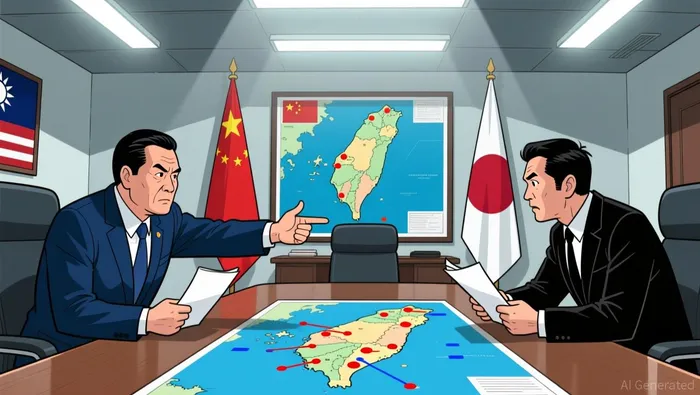
Japan, for its part, has dismissed China’s accusations as “entirely unacceptable” and reiterated its commitment to peace and stability in the region. The Japanese Foreign Ministry has not provided further comment, but has firmly denied any intention to shift policy toward military involvement in the Taiwan Strait. Tokyo’s stance remains grounded in its official recognition of the one-China policy.
The dispute has spilled over into economic and cultural relations. China has imposed travel advisories and restricted the import of Japanese seafood products, impacting bilateral trade. Both nations have seen a breakdown in diplomatic engagement, with Premier and Takaichi maintaining a noticeable distance during the G-20 summit.
China has also invoked historical grievances, linking Japan’s current policy rhetoric to its wartime actions in the 20th century. Spokesperson warned of the dangers of reviving militarism and called for the international community to remain vigilant against such trends. China sees its actions not only as a defense of sovereignty but as a broader effort to uphold the postwar international order.
The situation remains tense, with no immediate resolution in sight. Both sides continue to accuse each other, and the international community watches closely to see how the crisis might evolve and what impact it could have on the broader region.

Sumérjase en el mundo de las finanzas mundiales con Epic Events Finance.
Latest Articles
Stay ahead of the market.
Get curated U.S. market news, insights and key dates delivered to your inbox.


AInvest
PRO
AInvest
PRO



Comments
No comments yet