
China: urge US to refrain from imposing additional unilateral tariffs
China: urge US to refrain from imposing additional unilateral tariffs
China Urges U.S. to Repeal Unilateral Tariffs Amid Supreme Court Ruling
Following the U.S. Supreme Court's invalidation of President Donald Trump's broad tariffs under the International Emergency Economic Powers Act (IEEPA), China has reiterated calls for Washington to rescind unilateral trade measures. The court's ruling, issued on February 21, 2026, deemed Trump's imposition of tariffs—including those targeting China—as exceeding executive authority, marking a significant shift in U.S. trade policy.
China's Ministry of Commerce stated it is conducting a "full assessment" of the ruling while urging the U.S. to "remove unilateral tariffs on its trading partners," emphasizing that such measures "violate international trade rules and domestic law" according to ministry statements. The ministry reiterated that cooperation between the two nations benefits both economies, whereas confrontation inflicts mutual harm.
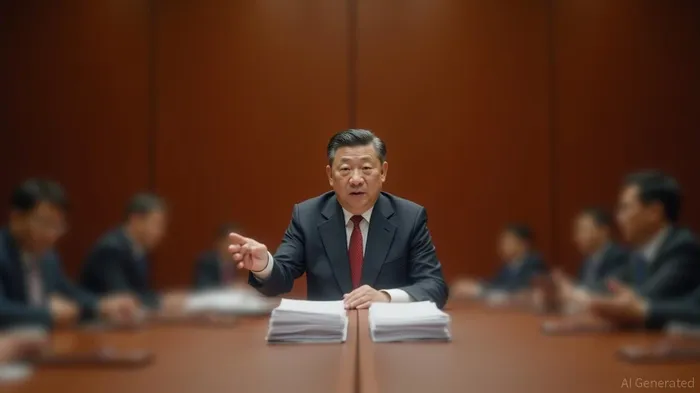
The ruling has weakened Trump's leverage ahead of his scheduled April summit with Chinese President Xi Jinping, where trade and geopolitical issues—including Taiwan—are expected to dominate discussions as reported by analysts. Analysts note that the decision limits Trump's ability to use tariffs as a bargaining chip, potentially strengthening China's position to push for reduced U.S. export controls and arms sales to Taiwan.
Chinese businesses, meanwhile, have adapted to persistent trade uncertainties by diversifying manufacturing to lower-tariff regions like Vietnam while retaining China's role in high-value production as observed by industry reports. Despite these adjustments, Beijing faces challenges as its domestic economy remains sluggish, prompting efforts to expand trade with non-U.S. partners. However, rising global resistance to Chinese exports has complicated this strategy.
The U.S. has replaced invalidated tariffs with a 15% global levy under a different legal framework, though this measure requires congressional approval after 150 days. China has warned it will "firmly safeguard its legitimate rights and interests" if Washington adopts alternative trade restrictions.
With tensions over technology, rare earth materials, and geopolitical alignment persisting, the Supreme Court's decision underscores the fragility of the U.S.-China trade truce. As both nations navigate this evolving landscape, the outcome of Trump's April visit to Beijing will likely shape the trajectory of their economic and strategic relationship.
Stay ahead of the market.
Get curated U.S. market news, insights and key dates delivered to your inbox.


AInvest
PRO
AInvest
PRO



Comments
No comments yet