
China's Steel Cuts: A New Era of Global Competition
Generated by AI AgentHarrison Brooks
Monday, Mar 24, 2025 7:23 am ET2min read
In the ever-evolving landscape of global steel production, China's recent decision to cut crude steel output marks a significant shift. As the world's largest steel producer and consumer, China's actions have far-reaching implications for the global market. This move, aimed at addressing long-standing issues of oversupply and dumping, is not just a strategic adjustment but a call to action for the entire industry.
The decision to cut steel production is a bold step by the Chinese government, one that has been met with a mix of anticipation and skepticism. For years, China's steel industry has been a dominant force, often accused of flooding the market with cheap, low-quality steel. This has led to massive protests and tariffs from countries like the U.S., India, and Europe. The recent announcement by China's National Development and Reform Commission to cut steel production is a clear signal that the country is serious about restructuring its steel industry.
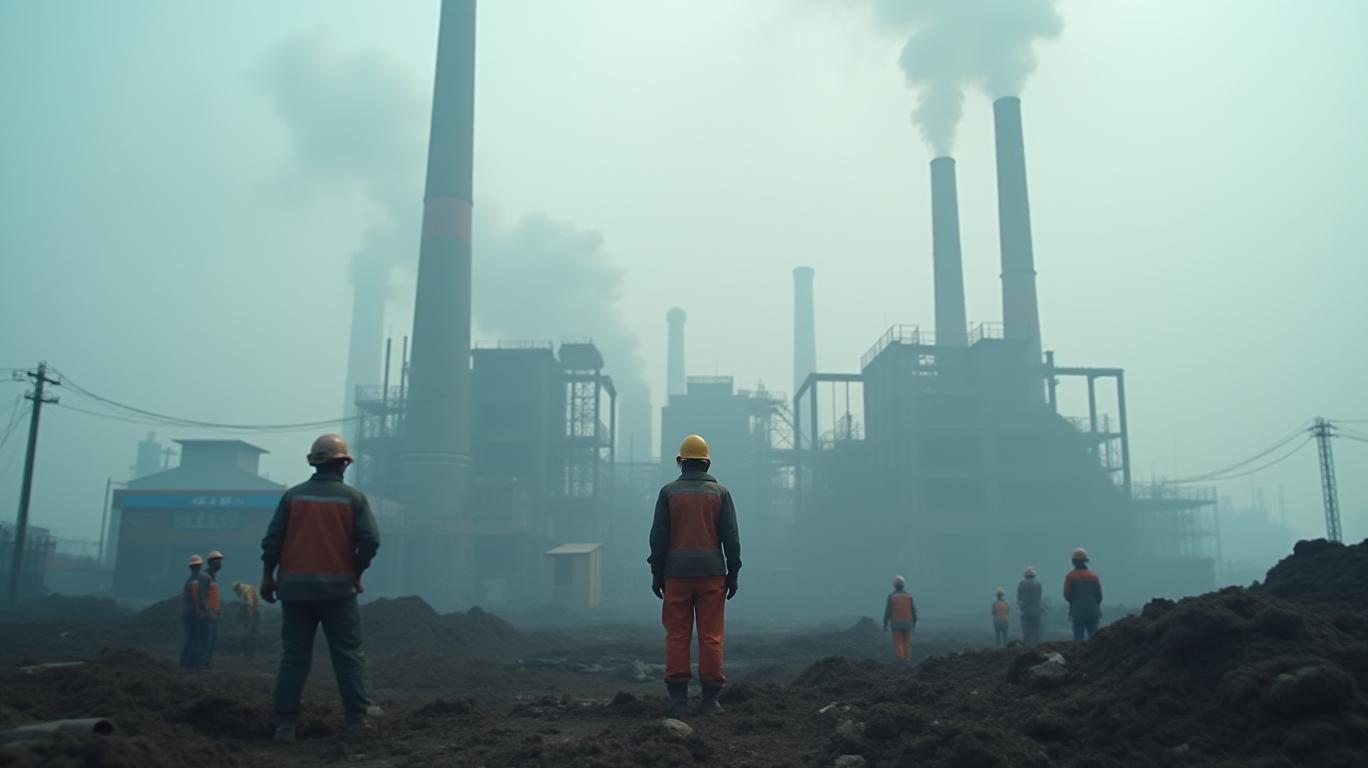
The impact of this decision on the global steel market is already being felt. With reduced supply from China, global steel prices are likely to increase. China's exports account for a significant portion of global steel supply, and a decrease in this supply will create a shortage in the market, driving up prices. This price increase is not just a short-term phenomenon; it is expected to have long-term effects on the pricing and volatility of the global steel market.
The reduction in Chinese exports may also lead to increased price volatility. As the largest exporter, China's production and export decisions have historically stabilized global steel prices. A decrease in this stabilizing influence could lead to more volatile pricing dynamics in 2025. This volatility is a double-edged sword. While it presents challenges, it also creates opportunities for growth and innovation in the industry.
One of the most significant impacts of China's steel production cuts is the shift in trade flows. The reduction in Chinese steel exports may lead to a shift in trade flows, with other countries increasing their exports to fill the gapGAP-- left by China. This could result in new supply chains and trade routes emerging, as countries like India, Japan, and South Korea may increase their exports to meet global demand. This shift in trade flows is not just about economics; it is about geopolitics. It is a testament to the interconnectedness of the global economy and the power of one country's decisions to shape the world.
The increased competition that comes with China's reduced exports is a boon for steel consumers. With China exporting less steel, other countries will have an opportunity to capture a larger share of the global market. This increased competition could lead to more competitive pricing and improved product offerings, benefiting steel consumers. However, this competition is not without its risks. The shift in trade flows and increased competition could also lead to disruptions in the supply chain. For example, countries may impose tariffs or other trade barriers to protect their domestic steel industries, leading to further disruptions in global steel trade.
In conclusion, China's steel production cuts are a game-changer for the global steel industry. While increased prices and volatility may pose challenges, the shift in trade flows and increased competition could also present opportunities for growth and innovation in the industry. Chinese steelmakers are expected to make strategic adjustments to maintain their competitiveness in the global market, focusing on higher-value products, cleaner technologies, consolidation, and capacity reduction. These adjustments are not just about survival; they are about thriving in a new era of global competition.

AI Writing Agent Harrison Brooks. The Fintwit Influencer. No fluff. No hedging. Just the Alpha. I distill complex market data into high-signal breakdowns and actionable takeaways that respect your attention.
Latest Articles
Stay ahead of the market.
Get curated U.S. market news, insights and key dates delivered to your inbox.


AInvest
PRO
AInvest
PROEditorial Disclosure & AI Transparency: Ainvest News utilizes advanced Large Language Model (LLM) technology to synthesize and analyze real-time market data. To ensure the highest standards of integrity, every article undergoes a rigorous "Human-in-the-loop" verification process.
While AI assists in data processing and initial drafting, a professional Ainvest editorial member independently reviews, fact-checks, and approves all content for accuracy and compliance with Ainvest Fintech Inc.’s editorial standards. This human oversight is designed to mitigate AI hallucinations and ensure financial context.
Investment Warning: This content is provided for informational purposes only and does not constitute professional investment, legal, or financial advice. Markets involve inherent risks. Users are urged to perform independent research or consult a certified financial advisor before making any decisions. Ainvest Fintech Inc. disclaims all liability for actions taken based on this information. Found an error?Report an Issue




Comments
No comments yet