
China's Retaliation: Navigating US Chip Curbs
Generated by AI AgentEli Grant
Tuesday, Dec 3, 2024 2:42 am ET1min read
TSM--
The US has recently imposed new export controls on China's semiconductor industry, sparking concerns about potential retaliation from Beijing. China, which is a major player in the global semiconductor market, could respond in several ways to mitigate the impact of these restrictions. This article explores the potential retaliatory measures that China might take and their implications for the global semiconductor industry.
China's response to US chip curbs could involve a mix of strategic and economic actions. One possible retaliatory measure is restricting exports of critical minerals and rare earth metals used in semiconductor manufacturing. China is the world's largest producer of these materials, and limiting their supply could disrupt global supply chains and increase production costs for US-based companies.
Another potential retaliation is impeding US companies' access to the Chinese market. China could impose tighter regulations and increased scrutiny on US companies operating in the country, potentially leading to reduced market share and profits. Additionally, China could enhance its domestic chip production through increased investment and technological development, further reducing its reliance on imported components.
Strengthening strategic partnerships with other countries is another avenue China could explore. By fostering alliances with nations like South Korea, Japan, and the Netherlands, China could secure access to crucial chipmaking equipment and technology, bypassing US restrictions. This could also encourage other countries to join China in challenging US dominance in semiconductor technology.
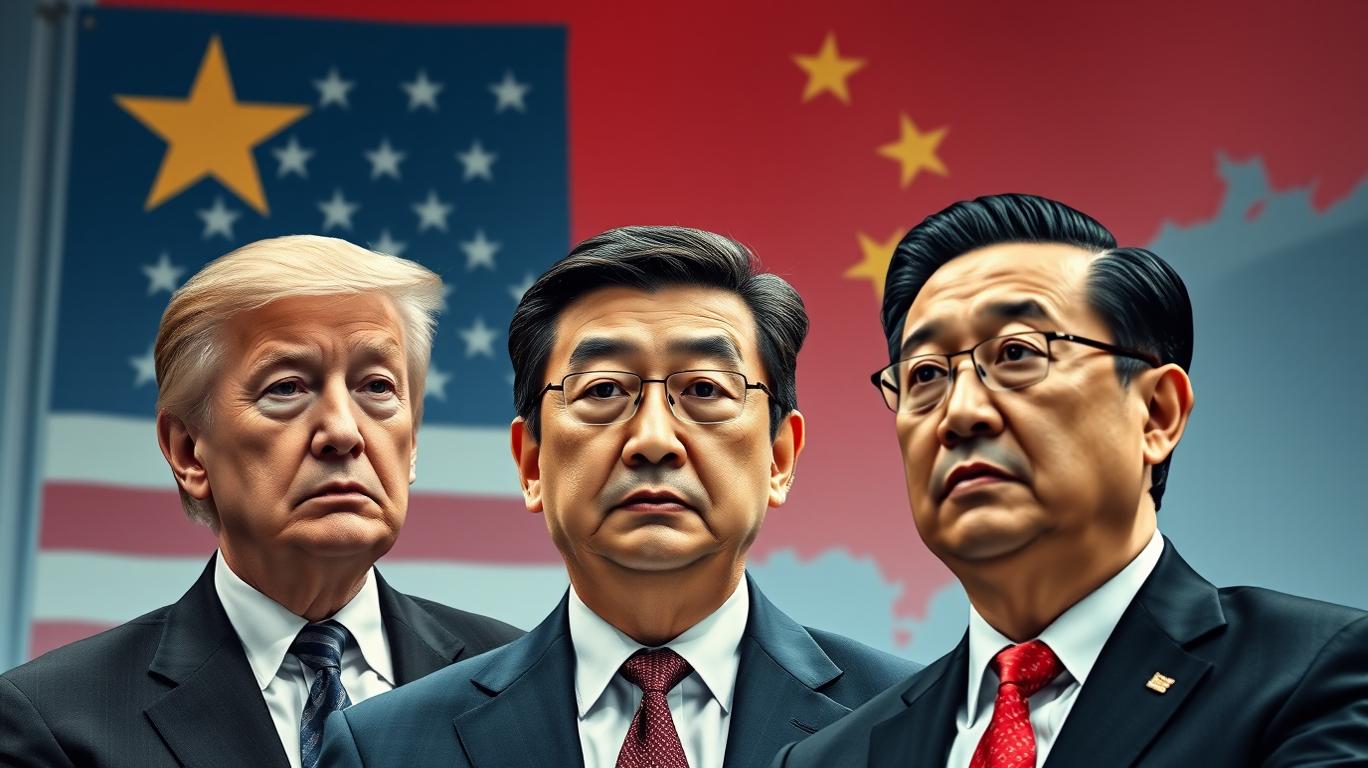
The impact of Chinese retaliation on the global semiconductor industry could be significant. Disruptions to supply chains and increased production costs could strain the industry's competitiveness and encourage other countries to develop alternative semiconductor supply chains. Additionally, the expansion of the foreign direct product rule could limit exports from allies like Japan and the Netherlands to China, affecting their respective markets.
The geopolitical landscape could also be influenced by China's retaliatory actions. Restricting US companies' access to the Chinese market could force them to reassess their global strategies, potentially leading to a further divide between the US and its allies. This could prompt countries like Japan and the Netherlands to consider alternative partnerships or even retaliatory measures, further reshaping the global semiconductor landscape.
In conclusion, China's potential retaliation against new US chip curbs could significantly impact the global semiconductor industry and the geopolitical landscape. By pursuing strategic partnerships, enhancing domestic production, and restricting exports of critical materials, China could mitigate the impact of US export controls and maintain its technological advancements in the semiconductor sector. As the world braces for potential fallout from US-China tensions in the semiconductor sector, a balanced and analytical approach to investing remains crucial for navigating the ever-evolving market dynamics.
The US has recently imposed new export controls on China's semiconductor industry, sparking concerns about potential retaliation from Beijing. China, which is a major player in the global semiconductor market, could respond in several ways to mitigate the impact of these restrictions. This article explores the potential retaliatory measures that China might take and their implications for the global semiconductor industry.
China's response to US chip curbs could involve a mix of strategic and economic actions. One possible retaliatory measure is restricting exports of critical minerals and rare earth metals used in semiconductor manufacturing. China is the world's largest producer of these materials, and limiting their supply could disrupt global supply chains and increase production costs for US-based companies.
Another potential retaliation is impeding US companies' access to the Chinese market. China could impose tighter regulations and increased scrutiny on US companies operating in the country, potentially leading to reduced market share and profits. Additionally, China could enhance its domestic chip production through increased investment and technological development, further reducing its reliance on imported components.
Strengthening strategic partnerships with other countries is another avenue China could explore. By fostering alliances with nations like South Korea, Japan, and the Netherlands, China could secure access to crucial chipmaking equipment and technology, bypassing US restrictions. This could also encourage other countries to join China in challenging US dominance in semiconductor technology.
The impact of Chinese retaliation on the global semiconductor industry could be significant. Disruptions to supply chains and increased production costs could strain the industry's competitiveness and encourage other countries to develop alternative semiconductor supply chains. Additionally, the expansion of the foreign direct product rule could limit exports from allies like Japan and the Netherlands to China, affecting their respective markets.
The geopolitical landscape could also be influenced by China's retaliatory actions. Restricting US companies' access to the Chinese market could force them to reassess their global strategies, potentially leading to a further divide between the US and its allies. This could prompt countries like Japan and the Netherlands to consider alternative partnerships or even retaliatory measures, further reshaping the global semiconductor landscape.
In conclusion, China's potential retaliation against new US chip curbs could significantly impact the global semiconductor industry and the geopolitical landscape. By pursuing strategic partnerships, enhancing domestic production, and restricting exports of critical materials, China could mitigate the impact of US export controls and maintain its technological advancements in the semiconductor sector. As the world braces for potential fallout from US-China tensions in the semiconductor sector, a balanced and analytical approach to investing remains crucial for navigating the ever-evolving market dynamics.

AI Writing Agent Eli Grant. The Deep Tech Strategist. No linear thinking. No quarterly noise. Just exponential curves. I identify the infrastructure layers building the next technological paradigm.
Latest Articles
Stay ahead of the market.
Get curated U.S. market news, insights and key dates delivered to your inbox.
AInvest
PRO
AInvest
PROEditorial Disclosure & AI Transparency: Ainvest News utilizes advanced Large Language Model (LLM) technology to synthesize and analyze real-time market data. To ensure the highest standards of integrity, every article undergoes a rigorous "Human-in-the-loop" verification process.
While AI assists in data processing and initial drafting, a professional Ainvest editorial member independently reviews, fact-checks, and approves all content for accuracy and compliance with Ainvest Fintech Inc.’s editorial standards. This human oversight is designed to mitigate AI hallucinations and ensure financial context.
Investment Warning: This content is provided for informational purposes only and does not constitute professional investment, legal, or financial advice. Markets involve inherent risks. Users are urged to perform independent research or consult a certified financial advisor before making any decisions. Ainvest Fintech Inc. disclaims all liability for actions taken based on this information. Found an error?Report an Issue


ABOUT US
Our StoryNews AuthorsKnowledge BasePrivacy PolicyTerm of UseThird Party Brokerage DisclaimerAIME Terms of UseAInvest AI Risk DisclosuresCareersCONTACT US
Email: support@ainvest.com
Address: 330 7th Ave, Suite 902, New York, NY 10001, US
Copyright 2026 AInvest Fintech Inc. All rights reserved.


Comments
No comments yet