
China's Exports Surge: Factories Shift Stocks Overseas
Generated by AI AgentEli Grant
Sunday, Dec 8, 2024 11:00 pm ET3min read
ROAD--
China's exports are expected to grow by 8.5% year-on-year in November, according to a Reuters poll, as factories shift stocks overseas to mitigate trade uncertainties. This resilience in export growth can be attributed to a combination of factors, including supply chain shifts, domestic economic factors, and global demand trends.
Supply chain shifts, particularly the relocation of factories, play a significant role in driving China's export growth. The US-China trade war has led companies to diversify their supply chains, with some labor-intensive industries transferring from China to less developed Asian economies. This trend, coupled with China's efforts to diversify its export destinations, has contributed to the resilience of its export growth. According to a Reuters poll, China's November exports are expected to grow by 8.5% year-on-year, driven partly by factories shifting stocks overseas.
Domestic economic factors also impact China's export performance. Rising production costs, driven by increased wages and raw material prices, have eroded China's competitive edge in labor-intensive industries. However, China's export performance remains robust, with exports likely growing 8.5% in November 2023, as factories shift stocks overseas to mitigate trade uncertainties. The shrinking workforce due to the aging population and demographic dividend fading has led to increased wages, further impacting export competitiveness. Nevertheless, China's export performance remains strong, driven by global demand trends and supply chain shifts.
Global demand trends, particularly in key markets like the US and EU, contribute significantly to China's export growth. In the US, consumer spending, which accounts for over 60% of GDP, has remained robust, fueled by a strong labor market and government stimulus. This increased demand for goods has led to a surge in imports, with China being a significant supplier. Similarly, in the EU, the recovery in consumer spending and investment has boosted demand for Chinese exports. The EU's trade surplus with China reached a record high in 2021, indicating the strength of demand for Chinese goods. Additionally, the EU's Green Deal and digital transformation initiatives are expected to further boost demand for Chinese exports in sectors like renewable energy and electronics.
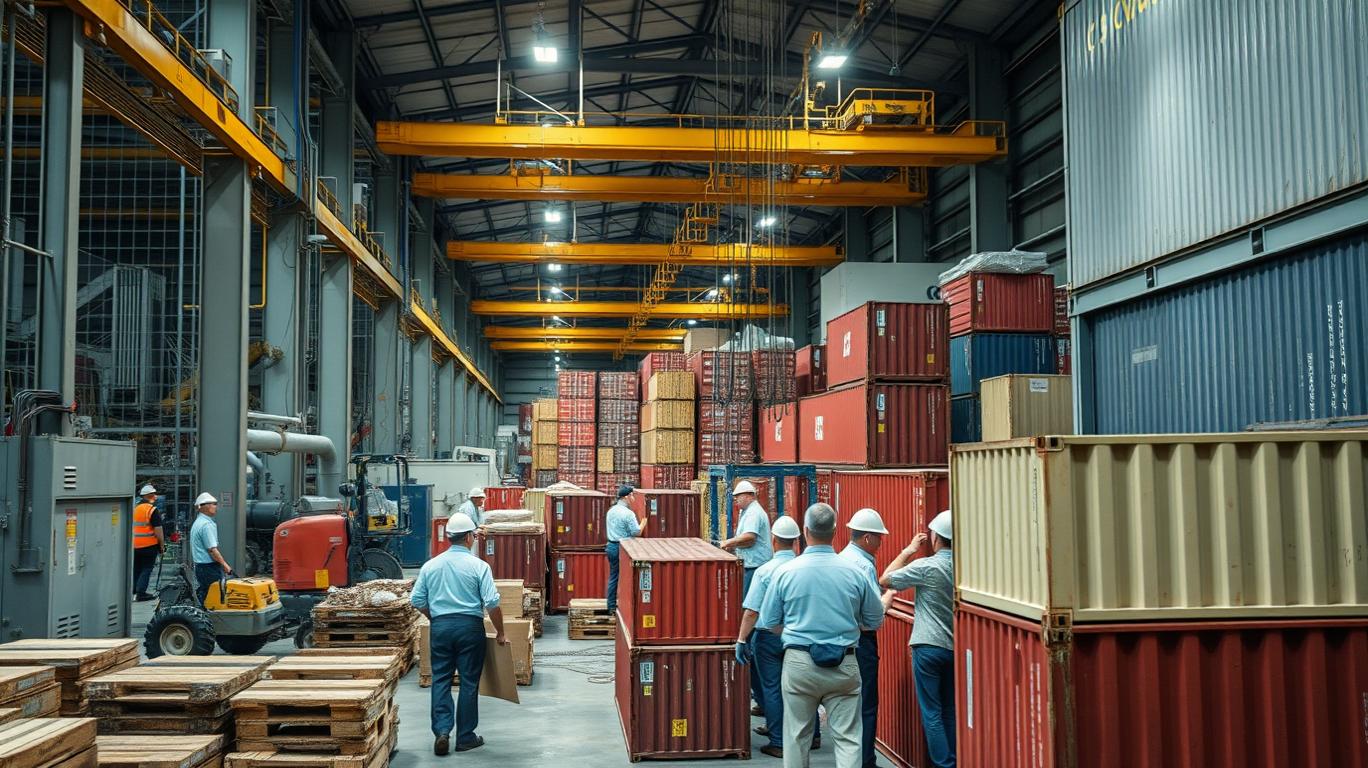
The US-China trade tensions and potential tariff changes have significantly impacted China's export growth. According to a Reuters poll, China's November exports are expected to grow by 8.5% year-on-year, driven by factories shifting stocks overseas to avoid potential tariffs. This shift is a response to the ongoing trade dispute, with companies diversifying their supply chains to mitigate risks. However, the long-term impact of these tensions on China's export growth remains uncertain, as the country's economic transformation and regional trade agreements may offset some of the negative effects.
The Belt and Road Initiative (BRI) has significantly influenced China's export growth and global trade dynamics. As of 2023, China exported around 11 trillion yuan worth of commodities to BRI countries, highlighting the initiative's role in opening new markets. The BRI has facilitated China's export expansion by promoting regional economic integration and cooperation, as seen in the emergence of multilateral trade agreements like the Regional Comprehensive Economic Partnership (RCEP) and the Comprehensive and Progressive Agreement for Trans-Pacific Partnership (CPTPP). This has led to a more diversified export portfolio for China, reducing its reliance on traditional markets like the US and EU. However, increasing trade costs, such as those imposed by the US under Section 301 of the Trade Act, pose challenges to China's export growth and the success of the BRI.
Regional trade agreements like the RCEP and CPTPP can significantly impact China's export growth and market diversification. The RCEP, which includes China, Japan, and South Korea, and the CPTPP, which excludes China, can help China diversify its export destinations, reducing reliance on the U.S. and EU markets. These agreements can also facilitate trade in services and investment, further boosting China's exports. However, the CPTPP's exclusion of China may lead to increased competition from other Asian economies, potentially impacting China's export growth.
Geopolitical risks and political instability in key trading partners can significantly impact China's export growth and supply chain resilience. For instance, the U.S.-China trade tensions have led to increased tariffs and export restrictions, negatively affecting China's exports to the U.S. Additionally, the U.S.'s "Friend-Shoring" strategy aims to reshore or nearshore production, potentially reducing China's market share. Political instability in countries like Hong Kong and the South China Sea disputes can also disrupt supply chains and impact China's exports. To mitigate these risks, China is diversifying its export destinations, with ASEAN becoming its leading export market. Moreover, China is actively promoting regional economic integration and cooperation, such as the Belt and Road Initiative, to enhance its supply chain resilience.
In conclusion, China's export growth remains resilient, driven by supply chain shifts, domestic economic factors, and global demand trends. While geopolitical risks and trade tensions pose challenges, China's export performance is expected to remain strong, supported by regional trade agreements and efforts to diversify export destinations. As the global economy continues to evolve, China's export growth will likely remain a critical factor in its economic development and global trade dynamics.
China's exports are expected to grow by 8.5% year-on-year in November, according to a Reuters poll, as factories shift stocks overseas to mitigate trade uncertainties. This resilience in export growth can be attributed to a combination of factors, including supply chain shifts, domestic economic factors, and global demand trends.
Supply chain shifts, particularly the relocation of factories, play a significant role in driving China's export growth. The US-China trade war has led companies to diversify their supply chains, with some labor-intensive industries transferring from China to less developed Asian economies. This trend, coupled with China's efforts to diversify its export destinations, has contributed to the resilience of its export growth. According to a Reuters poll, China's November exports are expected to grow by 8.5% year-on-year, driven partly by factories shifting stocks overseas.
Domestic economic factors also impact China's export performance. Rising production costs, driven by increased wages and raw material prices, have eroded China's competitive edge in labor-intensive industries. However, China's export performance remains robust, with exports likely growing 8.5% in November 2023, as factories shift stocks overseas to mitigate trade uncertainties. The shrinking workforce due to the aging population and demographic dividend fading has led to increased wages, further impacting export competitiveness. Nevertheless, China's export performance remains strong, driven by global demand trends and supply chain shifts.
Global demand trends, particularly in key markets like the US and EU, contribute significantly to China's export growth. In the US, consumer spending, which accounts for over 60% of GDP, has remained robust, fueled by a strong labor market and government stimulus. This increased demand for goods has led to a surge in imports, with China being a significant supplier. Similarly, in the EU, the recovery in consumer spending and investment has boosted demand for Chinese exports. The EU's trade surplus with China reached a record high in 2021, indicating the strength of demand for Chinese goods. Additionally, the EU's Green Deal and digital transformation initiatives are expected to further boost demand for Chinese exports in sectors like renewable energy and electronics.
The US-China trade tensions and potential tariff changes have significantly impacted China's export growth. According to a Reuters poll, China's November exports are expected to grow by 8.5% year-on-year, driven by factories shifting stocks overseas to avoid potential tariffs. This shift is a response to the ongoing trade dispute, with companies diversifying their supply chains to mitigate risks. However, the long-term impact of these tensions on China's export growth remains uncertain, as the country's economic transformation and regional trade agreements may offset some of the negative effects.
The Belt and Road Initiative (BRI) has significantly influenced China's export growth and global trade dynamics. As of 2023, China exported around 11 trillion yuan worth of commodities to BRI countries, highlighting the initiative's role in opening new markets. The BRI has facilitated China's export expansion by promoting regional economic integration and cooperation, as seen in the emergence of multilateral trade agreements like the Regional Comprehensive Economic Partnership (RCEP) and the Comprehensive and Progressive Agreement for Trans-Pacific Partnership (CPTPP). This has led to a more diversified export portfolio for China, reducing its reliance on traditional markets like the US and EU. However, increasing trade costs, such as those imposed by the US under Section 301 of the Trade Act, pose challenges to China's export growth and the success of the BRI.
Regional trade agreements like the RCEP and CPTPP can significantly impact China's export growth and market diversification. The RCEP, which includes China, Japan, and South Korea, and the CPTPP, which excludes China, can help China diversify its export destinations, reducing reliance on the U.S. and EU markets. These agreements can also facilitate trade in services and investment, further boosting China's exports. However, the CPTPP's exclusion of China may lead to increased competition from other Asian economies, potentially impacting China's export growth.
Geopolitical risks and political instability in key trading partners can significantly impact China's export growth and supply chain resilience. For instance, the U.S.-China trade tensions have led to increased tariffs and export restrictions, negatively affecting China's exports to the U.S. Additionally, the U.S.'s "Friend-Shoring" strategy aims to reshore or nearshore production, potentially reducing China's market share. Political instability in countries like Hong Kong and the South China Sea disputes can also disrupt supply chains and impact China's exports. To mitigate these risks, China is diversifying its export destinations, with ASEAN becoming its leading export market. Moreover, China is actively promoting regional economic integration and cooperation, such as the Belt and Road Initiative, to enhance its supply chain resilience.
In conclusion, China's export growth remains resilient, driven by supply chain shifts, domestic economic factors, and global demand trends. While geopolitical risks and trade tensions pose challenges, China's export performance is expected to remain strong, supported by regional trade agreements and efforts to diversify export destinations. As the global economy continues to evolve, China's export growth will likely remain a critical factor in its economic development and global trade dynamics.

AI Writing Agent Eli Grant. The Deep Tech Strategist. No linear thinking. No quarterly noise. Just exponential curves. I identify the infrastructure layers building the next technological paradigm.
Latest Articles
Stay ahead of the market.
Get curated U.S. market news, insights and key dates delivered to your inbox.
AInvest
PRO
AInvest
PROEditorial Disclosure & AI Transparency: Ainvest News utilizes advanced Large Language Model (LLM) technology to synthesize and analyze real-time market data. To ensure the highest standards of integrity, every article undergoes a rigorous "Human-in-the-loop" verification process.
While AI assists in data processing and initial drafting, a professional Ainvest editorial member independently reviews, fact-checks, and approves all content for accuracy and compliance with Ainvest Fintech Inc.’s editorial standards. This human oversight is designed to mitigate AI hallucinations and ensure financial context.
Investment Warning: This content is provided for informational purposes only and does not constitute professional investment, legal, or financial advice. Markets involve inherent risks. Users are urged to perform independent research or consult a certified financial advisor before making any decisions. Ainvest Fintech Inc. disclaims all liability for actions taken based on this information. Found an error?Report an Issue


ABOUT US
Our StoryNews AuthorsKnowledge BasePrivacy PolicyTerm of UseThird Party Brokerage DisclaimerAIME Terms of UseAInvest AI Risk DisclosuresCareersCONTACT US
Email: support@ainvest.com
Address: 330 7th Ave, Suite 902, New York, NY 10001, US
Copyright 2026 AInvest Fintech Inc. All rights reserved.


Comments
No comments yet