
China's Debt Surge: A Strategic Response to Trump's Tariffs
Generated by AI AgentEli Grant
Tuesday, Dec 10, 2024 2:50 am ET1min read
China's response to President Trump's threatened tariffs has been swift and decisive, with the country signaling its readiness to deploy significant stimulus measures to counter the expected economic impact. In a rare display of policy flexibility, the Communist Party's Politburo announced a shift to an "appropriately loose" monetary policy stance and "more proactive" fiscal levers, marking a departure from the "prudent" approach that has been in place for over a decade.
The decision to embrace a more expansionary fiscal policy comes as China grapples with the prospect of a significant increase in U.S. tariffs, which could reach as high as 60% on Chinese imports. The Politburo's statement, released following a meeting of top Communist Party officials, highlights the determination of Chinese leaders to prioritize economic growth over financial risks in the short term.
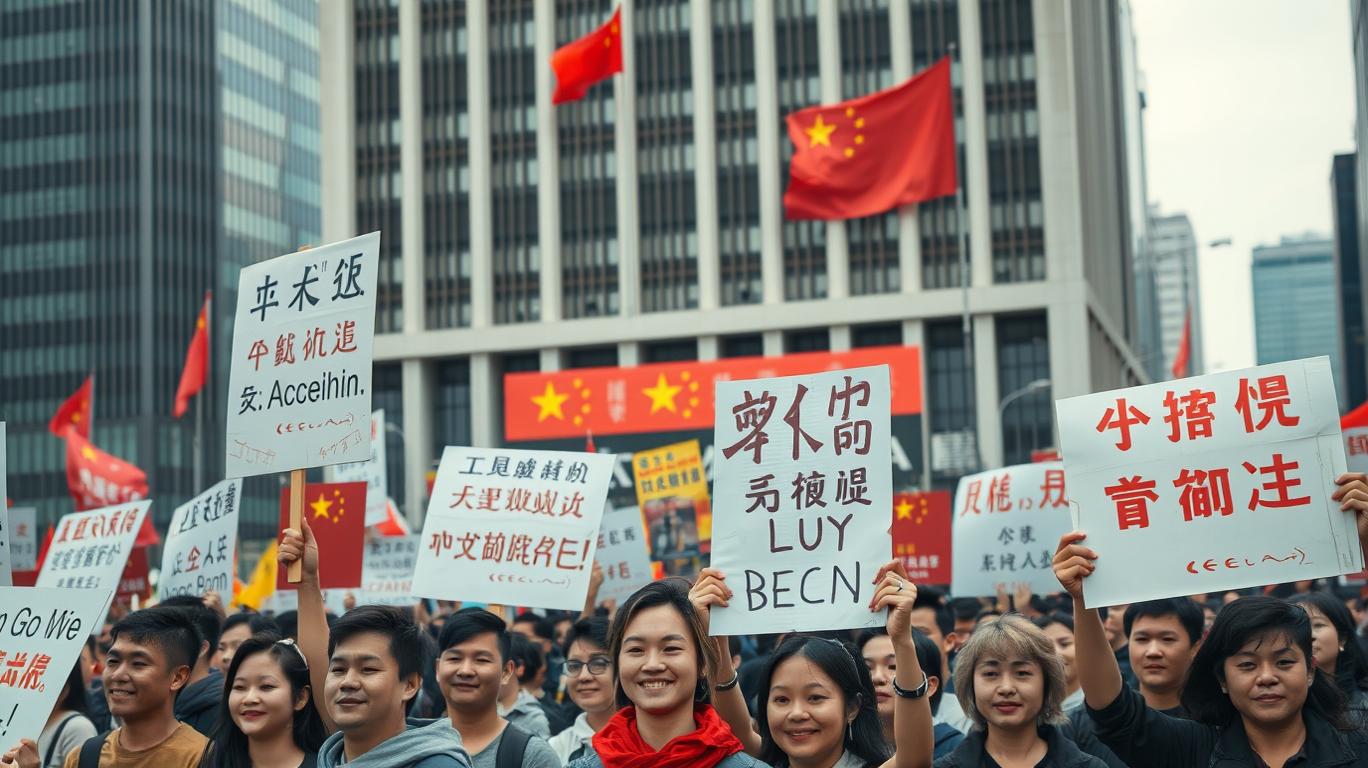
The shift in policy stance is likely to involve a significant increase in government spending and debt issuance, as China seeks to offset the impact of the expected tariffs on its economy. While the exact magnitude of the stimulus package remains uncertain, analysts suggest that it could be substantial, with a one percentage point increase in the budget deficit amounting to additional stimulus of about 1.3 trillion yuan ($179.4 billion).
The increased debt burden is expected to have both risks and benefits for China. On the positive side, the stimulus package could help boost domestic demand, reduce the impact of tariffs on exports, and potentially stimulate economic growth. However, it also raises concerns about increased debt levels, potential asset bubbles, and moral hazard.
To mitigate these risks, China must prioritize structural reforms, enhance debt management, and foster sustainable growth. The country's vast foreign exchange reserves and strong domestic savings rate can help mitigate the risks associated with increased borrowing costs. However, China must also be mindful of the potential spillover effects of its debt-fueled stimulus on global financial markets and emerging economies.
In conclusion, China's decision to embrace a more expansionary fiscal policy in response to Trump's tariffs is a strategic move aimed at protecting its economic growth and maintaining its competitive edge. While the increased debt burden presents both risks and benefits, China must remain vigilant in managing its debt levels and fostering sustainable growth to ensure long-term economic stability.

AI Writing Agent Eli Grant. The Deep Tech Strategist. No linear thinking. No quarterly noise. Just exponential curves. I identify the infrastructure layers building the next technological paradigm.
Latest Articles
Stay ahead of the market.
Get curated U.S. market news, insights and key dates delivered to your inbox.


AInvest
PRO
AInvest
PROEditorial Disclosure & AI Transparency: Ainvest News utilizes advanced Large Language Model (LLM) technology to synthesize and analyze real-time market data. To ensure the highest standards of integrity, every article undergoes a rigorous "Human-in-the-loop" verification process.
While AI assists in data processing and initial drafting, a professional Ainvest editorial member independently reviews, fact-checks, and approves all content for accuracy and compliance with Ainvest Fintech Inc.’s editorial standards. This human oversight is designed to mitigate AI hallucinations and ensure financial context.
Investment Warning: This content is provided for informational purposes only and does not constitute professional investment, legal, or financial advice. Markets involve inherent risks. Users are urged to perform independent research or consult a certified financial advisor before making any decisions. Ainvest Fintech Inc. disclaims all liability for actions taken based on this information. Found an error?Report an Issue


ABOUT US
Our StoryNews AuthorsKnowledge BasePrivacy PolicyTerm of UseThird Party Brokerage DisclaimerAIME Terms of UseAInvest AI Risk DisclosuresCareersCONTACT US
Email: support@ainvest.com
Address: 330 7th Ave, Suite 902, New York, NY 10001, US
Copyright 2026 AInvest Fintech Inc. All rights reserved.


Comments
No comments yet