
The China-Russia Energy Pact: Reshaping Global Markets and Emerging Investment Opportunities


 Aime Summary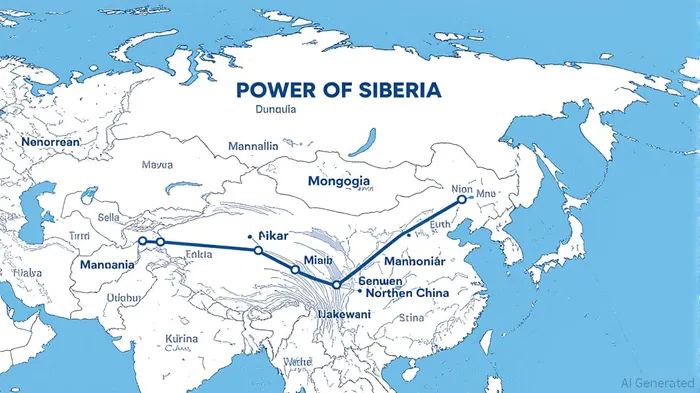
The China-Russia energy partnership has entered a new era with the formalization of the Power of Siberia 2 (PoS-2) pipeline, a $13.6–$34 billion infrastructure project that will transport 50 billion cubic meters (bcm) of natural gas annually from Russia's western Siberian fields to northern China via Mongolia. This development marks a seismic shift in global energy dynamics, as two of the world's largest economies deepen their strategic alignment to counter Western influence and diversify energy supply chains. For investors, the pact opens a corridor of opportunities in emerging markets, particularly in Mongolia, Russia, and China, where undervalued equities stand to benefit from infrastructure development, transit fees, and energy distribution.
A Strategic Shift in Energy Geopolitics
The PoS-2 pipeline is more than a commercial agreement—it is a geopolitical recalibration. For Russia, the project offsets the collapse of European gas exports following the invasion of Ukraine and Western sanctions. European demand for Russian gas has plummeted, leaving Moscow scrambling to find alternative markets. China, meanwhile, seeks to reduce its reliance on volatile LNG imports and diversify its energy mix to fuel industrial growth. The pipeline's 30-year contract horizon ensures a stable revenue stream for Russia and a long-term supply buffer for China, while Mongolia's role as a transit hub could generate up to $1 billion annually in fees.
This partnership disrupts traditional energy dynamics in two key ways:
1. Reduced U.S. LNG Influence: China's shift toward pipeline gas from Russia could cut U.S. LNG exports by 40 million tons annually, undermining the economic viability of U.S. shale projects.
2. European Energy Vulnerability: With Russia pivoting to Asia, Europe's reliance on costly LNG imports will intensify, exacerbating energy insecurity and inflation.
Emerging Market Equity Opportunities
The pipeline's construction and operation create a web of investment opportunities across three countries:
1. Mongolia: Transit Fees and Infrastructure Development
Mongolia's 960-kilometer segment of the pipeline is a critical linchpin. While the country's government has yet to confirm financing details, local firms are poised to benefit from construction contracts and long-term maintenance. Undervalued Mongolian equities include:
- Mongolian Pipeline Construction Firms: Smaller-cap companies like Mongolstroy and Altai Engineering could secure contracts for earthworks, pipeline laying, and ancillary infrastructure. These firms are currently underfollowed by analysts but have strong ties to state-backed projects.
- Logistics and Energy Distributors: Companies such as TransMongolia Logistics may profit from expanded transportation networks and gas distribution hubs.
2. Russia: State-Owned Energy Giants and Regional Development
Gazprom, the state-controlled energy giant, is the linchpin of the project. While its shares are widely followed, investors should also consider smaller, sector-specific plays:
- Siberian Gas Processing Firms: Companies like SibGasTech and Yakutia Energy could benefit from increased gas production and processing needs.
- Regional Infrastructure Developers: Firms involved in Siberian road and rail upgrades, such as TransSiberia Rail, may see demand surge as the pipeline spurs economic activity in remote regions.
3. China: Energy Security and Industrial Growth
China National Petroleum Corporation (CNPC) is central to the project, but smaller players in the energy distribution and logistics sectors are also positioned to gain:
- Pipeline Infrastructure Firms: Companies like Sinopipe and China Gas Pipeline Co. could secure contracts for the Chinese segment of the pipeline.
- Industrial Gas Users: Firms in energy-intensive sectors, such as Shanghai Steel Group and Beijing Petrochemical, may see reduced costs and supply stability from the pipeline.
Risks and Uncertainties
While the project's strategic benefits are clear, investors must navigate several risks:
- Pricing Disputes: Russia's preference for oil-indexed pricing (potentially $265–$285 per 1,000 cubic meters) clashes with China's push for lower rates ($120–$130). A compromise will determine profitability for both sides.
- Financing Delays: The lack of clarity on who funds the Chinese and Mongolian segments could delay construction beyond 2030.
- Geopolitical Tensions: U.S. and European pressure to isolate Russia could complicate project approvals or financing.
Conclusion: A New Energy Corridor for Investors
The China-Russia energy pact is a masterstroke of strategic diversification, with far-reaching implications for global energy markets. For investors, the pipeline represents a unique opportunity to capitalize on emerging market equities in Mongolia, Russia, and China—sectors that are currently undervalued but poised for growth as the project progresses. While risks remain, the long-term economic and geopolitical alignment between Beijing and Moscow suggests that this corridor will only deepen, offering a compelling case for those willing to navigate the complexities of energy geopolitics.
By targeting undervalued players in pipeline construction, transit fees, and energy distribution, investors can position themselves at the forefront of this transformative shift. The Power of Siberia 2 is not just a pipeline—it is a blueprint for the future of Eurasian energy integration.

Stay ahead of the market.
Get curated U.S. market news, insights and key dates delivered to your inbox.


AInvest
PRO
AInvest
PRO



Comments
No comments yet