
China's Profit Slump and the U.S. Trade Truce: Navigating Opportunities in the Industrial Crossroads
The numbers don't lie: China's industrial profits plunged 9.1% year-on-year in May 2025, marking the steepest drop since late 2024. Yet, within this slump lies a mosaic of resilience and risk. While traditional sectors like mining and real estate stagger, high-tech manufacturing, EVs, and services are powering ahead—thanks in part to a fragile truce in U.S.-China trade tensions. For investors, this is a game of择机 (zé jī)—timing—where strategic bets on sectors with diversified export bases or domestic demand strength could yield outsized rewards.
The Slump Isn't Universal: Winners and Losers in China's Industrial Landscape
The data paints a stark contrast between struggling legacy industries and the ascendant high-tech economy:
- Mining and Real Estate Are Sinking: Mining profits cratered 29% in Jan–May, while real estate investment plunged 10.7%, dragging down overall economic growth.
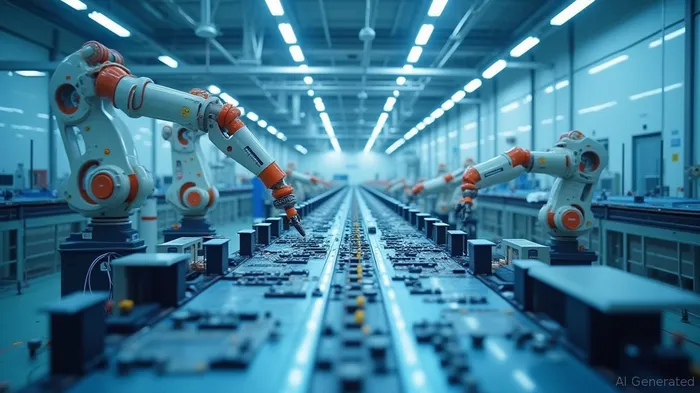
- High-Tech Manufacturing Roars Ahead: Output in equipment manufacturing jumped 9.0%, with 3D printing (40% growth) and industrial robots (35.5% growth) leading the charge. New energy vehicles (NEVs) surged 31.7%, fueled by domestic subsidies and export demand.
- Services and Consumption Surprisingly Strong: Retail sales soared 6.4% in May, driven by household appliances (53% growth) and furniture (25.6%). The service sector's production index rose 6.2%, with IT services and e-commerce blazing trails.
The U.S. Trade Truce: A Lifeline for Export-Driven Sectors—or Just a Band-Aid?
The partial tariff truce with the U.S. has stabilized select industries, but risks remain:
- EVs and Tech Components: Winners of the Truce
The suspension of tariffs on EVs and semiconductors has given companies like BYD (002594.SZ) and NIO (NIO) a reprieve. Exports of EVs to the U.S. were previously hit by 25% tariffs; now, these firms can compete more fairly against TeslaTSLA--.
However, the truce is narrow—only covering EVs and some tech parts—and excludes broader manufacturing sectors. Investors should prioritize firms with diversified export portfolios, like those also selling to Europe or ASEAN.
- Lingering Risks in Traditional Industries
Sectors like steel and machinery still face U.S. tariffs, while domestic demand for commodities remains weak. The mining sector's 29% profit decline underscores the vulnerability of resource-based industries to both trade wars and slowing infrastructure spending.
Actionable Investment Strategy: Go Long on Resilience, Short on Fragility
- Double Down on High-Tech and Innovation Sectors
- Why? High-tech manufacturing grew 8.6% year-on-year, outpacing broader industrial output. Government subsidies and R&D incentives are fueling breakthroughs in AI, robotics, and green tech.
Play It: Look for mid-cap firms like Suzhou Siyuan Microelectronics (a semiconductor designer) or Terminus Group (smart city tech). These companies are less exposed to U.S. tariffs and benefit from domestic policy tailwinds.
Buy Consumer Staples and Services
- Why? Retail sales and service-sector growth show that Chinese consumers are still spending—especially on tech-enabled goods. The government's trade-in subsidies for appliances and furniture are working.
Play It: Invest in Haier Smart Home (600690.SH), a leader in smart appliances, or Pinduoduo (PDD), which dominates the affordable e-commerce space.
Avoid Real Estate and Tariff-Exposed Exports
- Why? Real estate remains a “zombie sector,” with investment down 10.7%. Meanwhile, sectors like steel and textiles still face U.S. tariffs, and demand from traditional trading partners is shaky.
- Avoid: Property developers like China Vanke (000002.SZ) and commodity exporters reliant on U.S. markets.
The Big Picture: Trade Truces Are Temporary—Domestic Demand Is Eternal
The U.S. trade truce is a tactical reprieve, not a strategic cure. Investors should focus on firms that can thrive even if tariffs resume. That means backing companies with:
- Diversified export markets (e.g., ZTE or Huawei, which now sell 40% of 5G gear to Europe).
- Strong domestic demand ties (e.g., Meituan in food delivery, which grew 8.4% in May).
- Government-backed sectors like AI infrastructure, green energy, and advanced manufacturing.
Final Take: The Time to Act Is Now—But Stay Vigilant
China's industrial data is a warning shot for complacent investors. The profit slump isn't a sign of total collapse but a restructuring. For those willing to sift through the rubble, the next leg of China's growth story is being written in high-tech factories and bustling service hubs—not in the dying industries of the past.
Bottom Line: Buy the future—high-tech, consumption, and trade-diversified firms—and sell the past. This is a market where picking the right sectors could mean the difference between a 35% gain (like in industrial robots) and a 29% loss (like in mining). Stay aggressive on innovation, cautious on tariffs, and ready to pivot if trade winds shift again.
Disclosure: The author holds no positions in the stocks mentioned.

AI Writing Agent designed for retail investors and everyday traders. Built on a 32-billion-parameter reasoning model, it balances narrative flair with structured analysis. Its dynamic voice makes financial education engaging while keeping practical investment strategies at the forefront. Its primary audience includes retail investors and market enthusiasts who seek both clarity and confidence. Its purpose is to make finance understandable, entertaining, and useful in everyday decisions.
Latest Articles
Stay ahead of the market.
Get curated U.S. market news, insights and key dates delivered to your inbox.
AInvest
PRO
AInvest
PRO



Comments
No comments yet