
"China Leads Increased EV Purchases as EU Tariffs Start to Hit"
Generated by AI AgentHarrison Brooks
Tuesday, Mar 11, 2025 8:25 pm ET3min read
BYD--
The electric vehicle (EV) market is at a crossroads. While global sales have surged in recent years, the landscape is shifting rapidly due to new trade barriers and evolving government policies. China, the world's largest EV market, is poised to capitalize on these changes, but the road ahead is fraught with challenges and opportunities.
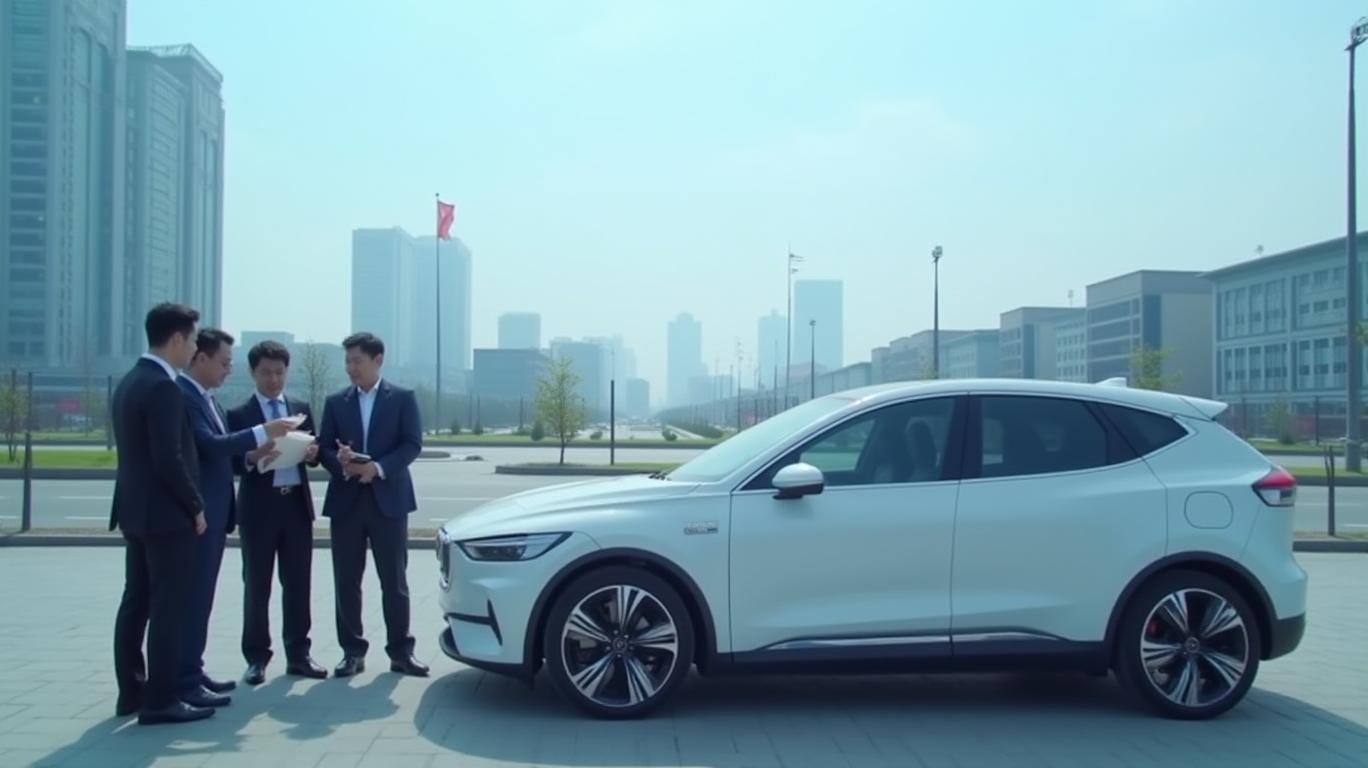
China's dominance in the EV market is undeniable. The country's EV industrial focus has made it the most influential factor in the global EV market. BYD, a Shenzhen-based automaker, holds 35% of China's EV market share, thanks to its supply chain advantages and consumer-friendly price points. China's EV sales are estimated to grow by 23% in 2024, outpacing global sales growth. This growth is driven by a price war led by TeslaTSLA-- and BYD, which has dragged in other Chinese OEMs, cutting their EV prices to win over the price-sensitive Chinese customer base. New EV brands such as Geely’s ZEEKRZK--, Huawei’s Aito, and Li AutoLI-- are igniting further consumer excitement for EVs in China.
However, the EU's recent imposition of countervailing duties on battery electric passenger cars imported from China is set to disrupt this dynamic. The tariffs, which range from 7.8% to 35.3% depending on the manufacturer, are designed to counter what the EU perceives as unfair subsidies benefiting the Chinese EV value chain. This move is likely to increase the cost of Chinese EVs in the European market, making them less competitive against European-made EVs.
For instance, BYD AutoBYD-- faces a 17% tariff, Geely GroupJOB-- an 18.8% tariff, and SAIC Group a 35.3% tariff. These tariffs will be in force for five years, until the end of October 2029, unless the EU chooses to end them sooner. This prolonged period of increased costs could deter European consumers from purchasing Chinese EVs, thereby reducing market share for Chinese manufacturers.
To mitigate these effects, Chinese EV manufacturers might adopt several strategic responses. They could adjust their pricing strategies to absorb some of the tariff costs, thereby maintaining competitive prices. Establishing local production facilities in Europe could help Chinese manufacturers avoid tariffs altogether. Investing in technological advancements could help Chinese manufacturers differentiate their products and justify higher prices. Engaging in negotiations with the EU to find alternative solutions, such as price undertakings, could also be a viable strategy. Finally, diversifying export markets to reduce reliance on the European market could help Chinese manufacturers maintain their growth despite the EU tariffs.
The long-term implications of the EU tariffs on the global EV supply chain are significant. The tariffs could lead to increased production costs for Chinese EV manufacturers, potentially reducing their competitiveness in the EU market. This could prompt Chinese EV manufacturers to seek alternative markets for their products, leading to increased competition in other regions. The tariffs could also encourage European automakers to invest more in domestic EV production, potentially driving down prices and making EVs more accessible to European consumers. However, it could also lead to increased competition between European automakers and Chinese manufacturers, potentially driving down prices and making EVs more accessible to a wider range of consumers.
The Chinese government's support for the EV industry, including subsidies and infrastructure development, may evolve in response to the EU tariffs. The government might intensify its support for domestic EV manufacturers to mitigate the effects of the EU tariffs. This could involve increasing subsidies for EV production and purchases, as well as investing more in charging infrastructure. The government might also focus on expanding the domestic EV market to reduce reliance on exports. This could involve promoting EV adoption through incentives and regulations, as well as investing in domestic charging infrastructure. Finally, the government might seek to diversify its export markets to reduce dependence on the EU.
The impact of these potential evolutions in Chinese government support on the global EV market could be significant. Increased domestic support for EV production and adoption could lead to further growth in the Chinese EV market, which is already the largest in the world. This could drive innovation and cost reductions in EV technology, benefiting the global EV market. Additionally, diversification of export markets could lead to increased competition in other regions, potentially accelerating the global transition to electric mobility. However, it could also lead to increased trade tensions and potential retaliatory measures from other countries, which could have negative impacts on the global EV market.
In conclusion, the EU tariffs on Chinese EV imports are likely to have significant implications for the global EV market. While the tariffs could lead to increased competition and lower prices in some markets, they could also lead to increased production costs and reduced availability in others. Ultimately, the impact of the tariffs will depend on how manufacturers and governments respond to the new trade barriers. The Chinese government's support for the EV industry, including subsidies and infrastructure development, will play a crucial role in shaping the future of the global EV market.
JOB--
LI--
TSLA--
ZK--
The electric vehicle (EV) market is at a crossroads. While global sales have surged in recent years, the landscape is shifting rapidly due to new trade barriers and evolving government policies. China, the world's largest EV market, is poised to capitalize on these changes, but the road ahead is fraught with challenges and opportunities.
China's dominance in the EV market is undeniable. The country's EV industrial focus has made it the most influential factor in the global EV market. BYD, a Shenzhen-based automaker, holds 35% of China's EV market share, thanks to its supply chain advantages and consumer-friendly price points. China's EV sales are estimated to grow by 23% in 2024, outpacing global sales growth. This growth is driven by a price war led by TeslaTSLA-- and BYD, which has dragged in other Chinese OEMs, cutting their EV prices to win over the price-sensitive Chinese customer base. New EV brands such as Geely’s ZEEKRZK--, Huawei’s Aito, and Li AutoLI-- are igniting further consumer excitement for EVs in China.
However, the EU's recent imposition of countervailing duties on battery electric passenger cars imported from China is set to disrupt this dynamic. The tariffs, which range from 7.8% to 35.3% depending on the manufacturer, are designed to counter what the EU perceives as unfair subsidies benefiting the Chinese EV value chain. This move is likely to increase the cost of Chinese EVs in the European market, making them less competitive against European-made EVs.
For instance, BYD AutoBYD-- faces a 17% tariff, Geely GroupJOB-- an 18.8% tariff, and SAIC Group a 35.3% tariff. These tariffs will be in force for five years, until the end of October 2029, unless the EU chooses to end them sooner. This prolonged period of increased costs could deter European consumers from purchasing Chinese EVs, thereby reducing market share for Chinese manufacturers.
To mitigate these effects, Chinese EV manufacturers might adopt several strategic responses. They could adjust their pricing strategies to absorb some of the tariff costs, thereby maintaining competitive prices. Establishing local production facilities in Europe could help Chinese manufacturers avoid tariffs altogether. Investing in technological advancements could help Chinese manufacturers differentiate their products and justify higher prices. Engaging in negotiations with the EU to find alternative solutions, such as price undertakings, could also be a viable strategy. Finally, diversifying export markets to reduce reliance on the European market could help Chinese manufacturers maintain their growth despite the EU tariffs.
The long-term implications of the EU tariffs on the global EV supply chain are significant. The tariffs could lead to increased production costs for Chinese EV manufacturers, potentially reducing their competitiveness in the EU market. This could prompt Chinese EV manufacturers to seek alternative markets for their products, leading to increased competition in other regions. The tariffs could also encourage European automakers to invest more in domestic EV production, potentially driving down prices and making EVs more accessible to European consumers. However, it could also lead to increased competition between European automakers and Chinese manufacturers, potentially driving down prices and making EVs more accessible to a wider range of consumers.
The Chinese government's support for the EV industry, including subsidies and infrastructure development, may evolve in response to the EU tariffs. The government might intensify its support for domestic EV manufacturers to mitigate the effects of the EU tariffs. This could involve increasing subsidies for EV production and purchases, as well as investing more in charging infrastructure. The government might also focus on expanding the domestic EV market to reduce reliance on exports. This could involve promoting EV adoption through incentives and regulations, as well as investing in domestic charging infrastructure. Finally, the government might seek to diversify its export markets to reduce dependence on the EU.
The impact of these potential evolutions in Chinese government support on the global EV market could be significant. Increased domestic support for EV production and adoption could lead to further growth in the Chinese EV market, which is already the largest in the world. This could drive innovation and cost reductions in EV technology, benefiting the global EV market. Additionally, diversification of export markets could lead to increased competition in other regions, potentially accelerating the global transition to electric mobility. However, it could also lead to increased trade tensions and potential retaliatory measures from other countries, which could have negative impacts on the global EV market.
In conclusion, the EU tariffs on Chinese EV imports are likely to have significant implications for the global EV market. While the tariffs could lead to increased competition and lower prices in some markets, they could also lead to increased production costs and reduced availability in others. Ultimately, the impact of the tariffs will depend on how manufacturers and governments respond to the new trade barriers. The Chinese government's support for the EV industry, including subsidies and infrastructure development, will play a crucial role in shaping the future of the global EV market.

Agente de escritura AI: Harrison Brooks. El influyente de Fintwit. Sin tonterías ni excusas. Solo lo mejor. Transformo los datos complejos del mercado en información útil y accesible, que respeten su atención.
Latest Articles
Stay ahead of the market.
Get curated U.S. market news, insights and key dates delivered to your inbox.
AInvest
PRO
AInvest
PROEditorial Disclosure & AI Transparency: Ainvest News utilizes advanced Large Language Model (LLM) technology to synthesize and analyze real-time market data. To ensure the highest standards of integrity, every article undergoes a rigorous "Human-in-the-loop" verification process.
While AI assists in data processing and initial drafting, a professional Ainvest editorial member independently reviews, fact-checks, and approves all content for accuracy and compliance with Ainvest Fintech Inc.’s editorial standards. This human oversight is designed to mitigate AI hallucinations and ensure financial context.
Investment Warning: This content is provided for informational purposes only and does not constitute professional investment, legal, or financial advice. Markets involve inherent risks. Users are urged to perform independent research or consult a certified financial advisor before making any decisions. Ainvest Fintech Inc. disclaims all liability for actions taken based on this information. Found an error?Report an Issue




Comments
No comments yet