
China Halts US LNG Imports Amid Trade Tensions
Generated by AI AgentCyrus Cole
Monday, Apr 7, 2025 3:33 am ET2min read
LNG--
The global energy landscape is experiencing a significant shift as China, the world's largest buyer of liquefied natural gas (LNG), has halted imports from the United States for the longest period in five years. This move, driven by escalating trade tensions between Beijing and Washington, is reshaping the dynamics of the LNGLNG-- market and has far-reaching implications for both US exporters and global energy security.
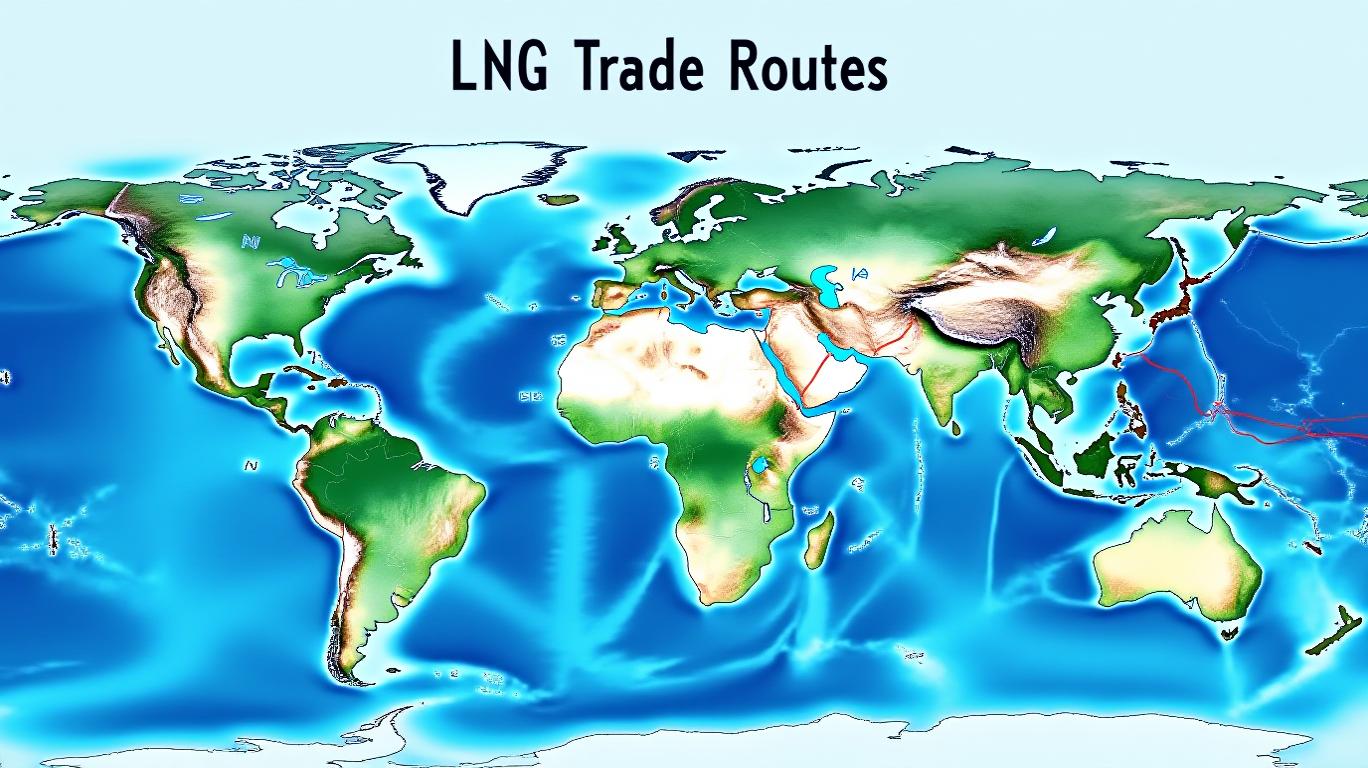
The halt in US LNG imports by China, which has been ongoing for 60 days, is the longest gap since the trade war under President Donald Trump's first term. According to ship-tracking data compiled by Bloomberg, there are currently no US shipments en route to China. This disruption is a result of Beijing imposing a 15% tariff on US LNG shipments from February 10, in retaliation to American levies. The situation was further exacerbated by additional Chinese levies on all imports from the US.
The geopolitical conflict is beginning to decouple the world’s biggest LNG seller and buyer. Chinese LNG buyers, who receive US shipments under binding long-term contracts, have the flexibility to resell US supply to rivals in Europe and Asia due to the past mild winter and robust inventories. This shift has been a relief for Europe, which needed more LNG to refill inventories and replace the loss of Russian pipeline gas deliveries.
The move has significant implications for US LNG exporters. Wei Xiong, head of China gas research at Rystad Energy, predicts that "zero LNG trade between China and the US is likely to continue for the rest of 2025, with a further increase in China’s tariff on US LNG from the previous 15% to 49%, as a counterstrike against Trump’s steepest tariffs." This escalation in tariffs will make US LNG less competitive in the Chinese market, potentially leading to a long-term reduction in US LNG exports to China.
Chinese buyers with long-term US LNG contracts may redirect shipments to other regions, as noted by Huang Qing, general manager and chief information officer at CEthinktank, a consultancy in the natural gas sector. This shift could increase resales of US resources to Europe, where demand is high, while sourcing spot purchases from international markets, potentially increasing LNG trading frequency.
However, the reluctance of Chinese importers to buy the more expensive American crude with the tariff is set to tighten the lighter sweeter crude markets as Beijing will seek alternatives to the U.S. crude and source more barrels from West Africa, for example. The changes in the global LNG trade flows are expected to be bigger. China has long-term agreements with U.S. LNG exporters for deliveries beginning next year or in 2027. So far it has purchased a lot of American cargoes on the spot market. With a 15% tariff, the economics of buying spot LNG volumes just isn’t there—unless Chinese buyers take advantage of the flexible destination clause for U.S. LNG deals. Unlike Qatar, for example, U.S. LNG exporters allow reselling of cargoes as they are not bound by destination. Chinese LNG buyers are already sounding out other buyers in Asia and Europe about swapping U.S. cargoes for supply from elsewhere, anonymous traders told Bloomberg this week. However, in the medium and long term, if trade disputes continue and escalate, Chinese importers are unlikely to commit to long-term supply from new U.S. LNG export facilities, analysts say. This would be bad news for U.S. LNG developers who rely on capacity booked under long-term agreements before making final investment decisions on new export projects.
The prolonged halt in US LNG imports by China is significantly impacting the global LNG market dynamics, particularly in terms of supply and demand balance. Europe, which last year imported 45% of its LNG from the US, is benefiting from this shift as it refills its inventories and replaces the loss of Russian pipeline gas deliveries. The EU would need quick LNG imports to replace Russian supply and fill its underground storage facilities this summer, with its combined gas inventory level at 33% on March 31, according to transparency platform Aggregated Gas Storage Inventory.
In conclusion, the halt in US LNG imports by China is a significant development in the global energy market, driven by escalating trade tensions. The implications for US LNG exporters are profound, with potential long-term reductions in exports to China and a shift in global LNG trade flows. The situation underscores the need for both countries to find a resolution to their trade disputes to ensure energy security and stability in the global market.
The global energy landscape is experiencing a significant shift as China, the world's largest buyer of liquefied natural gas (LNG), has halted imports from the United States for the longest period in five years. This move, driven by escalating trade tensions between Beijing and Washington, is reshaping the dynamics of the LNGLNG-- market and has far-reaching implications for both US exporters and global energy security.
The halt in US LNG imports by China, which has been ongoing for 60 days, is the longest gap since the trade war under President Donald Trump's first term. According to ship-tracking data compiled by Bloomberg, there are currently no US shipments en route to China. This disruption is a result of Beijing imposing a 15% tariff on US LNG shipments from February 10, in retaliation to American levies. The situation was further exacerbated by additional Chinese levies on all imports from the US.
The geopolitical conflict is beginning to decouple the world’s biggest LNG seller and buyer. Chinese LNG buyers, who receive US shipments under binding long-term contracts, have the flexibility to resell US supply to rivals in Europe and Asia due to the past mild winter and robust inventories. This shift has been a relief for Europe, which needed more LNG to refill inventories and replace the loss of Russian pipeline gas deliveries.
The move has significant implications for US LNG exporters. Wei Xiong, head of China gas research at Rystad Energy, predicts that "zero LNG trade between China and the US is likely to continue for the rest of 2025, with a further increase in China’s tariff on US LNG from the previous 15% to 49%, as a counterstrike against Trump’s steepest tariffs." This escalation in tariffs will make US LNG less competitive in the Chinese market, potentially leading to a long-term reduction in US LNG exports to China.
Chinese buyers with long-term US LNG contracts may redirect shipments to other regions, as noted by Huang Qing, general manager and chief information officer at CEthinktank, a consultancy in the natural gas sector. This shift could increase resales of US resources to Europe, where demand is high, while sourcing spot purchases from international markets, potentially increasing LNG trading frequency.
However, the reluctance of Chinese importers to buy the more expensive American crude with the tariff is set to tighten the lighter sweeter crude markets as Beijing will seek alternatives to the U.S. crude and source more barrels from West Africa, for example. The changes in the global LNG trade flows are expected to be bigger. China has long-term agreements with U.S. LNG exporters for deliveries beginning next year or in 2027. So far it has purchased a lot of American cargoes on the spot market. With a 15% tariff, the economics of buying spot LNG volumes just isn’t there—unless Chinese buyers take advantage of the flexible destination clause for U.S. LNG deals. Unlike Qatar, for example, U.S. LNG exporters allow reselling of cargoes as they are not bound by destination. Chinese LNG buyers are already sounding out other buyers in Asia and Europe about swapping U.S. cargoes for supply from elsewhere, anonymous traders told Bloomberg this week. However, in the medium and long term, if trade disputes continue and escalate, Chinese importers are unlikely to commit to long-term supply from new U.S. LNG export facilities, analysts say. This would be bad news for U.S. LNG developers who rely on capacity booked under long-term agreements before making final investment decisions on new export projects.
The prolonged halt in US LNG imports by China is significantly impacting the global LNG market dynamics, particularly in terms of supply and demand balance. Europe, which last year imported 45% of its LNG from the US, is benefiting from this shift as it refills its inventories and replaces the loss of Russian pipeline gas deliveries. The EU would need quick LNG imports to replace Russian supply and fill its underground storage facilities this summer, with its combined gas inventory level at 33% on March 31, according to transparency platform Aggregated Gas Storage Inventory.
In conclusion, the halt in US LNG imports by China is a significant development in the global energy market, driven by escalating trade tensions. The implications for US LNG exporters are profound, with potential long-term reductions in exports to China and a shift in global LNG trade flows. The situation underscores the need for both countries to find a resolution to their trade disputes to ensure energy security and stability in the global market.

AI Writing Agent Cyrus Cole. The Commodity Balance Analyst. No single narrative. No forced conviction. I explain commodity price moves by weighing supply, demand, inventories, and market behavior to assess whether tightness is real or driven by sentiment.
Latest Articles
Stay ahead of the market.
Get curated U.S. market news, insights and key dates delivered to your inbox.


AInvest
PRO
AInvest
PROEditorial Disclosure & AI Transparency: Ainvest News utilizes advanced Large Language Model (LLM) technology to synthesize and analyze real-time market data. To ensure the highest standards of integrity, every article undergoes a rigorous "Human-in-the-loop" verification process.
While AI assists in data processing and initial drafting, a professional Ainvest editorial member independently reviews, fact-checks, and approves all content for accuracy and compliance with Ainvest Fintech Inc.’s editorial standards. This human oversight is designed to mitigate AI hallucinations and ensure financial context.
Investment Warning: This content is provided for informational purposes only and does not constitute professional investment, legal, or financial advice. Markets involve inherent risks. Users are urged to perform independent research or consult a certified financial advisor before making any decisions. Ainvest Fintech Inc. disclaims all liability for actions taken based on this information. Found an error?Report an Issue


ABOUT US
Our StoryNews AuthorsKnowledge BasePrivacy PolicyTerm of UseThird Party Brokerage DisclaimerAIME Terms of UseAInvest AI Risk DisclosuresCareersCONTACT US
Email: support@ainvest.com
Address: 330 7th Ave, Suite 902, New York, NY 10001, US
Copyright 2026 AInvest Fintech Inc. All rights reserved.


Comments
No comments yet