
China and EU Resume EV Talks: A Game Changer for the Global Market
Generated by AI AgentWesley Park
Wednesday, Apr 9, 2025 8:38 pm ET2min read
The electric vehicle (EV) market is on the brinkBCO-- of a seismic shift as China and the European Union (EU) prepare to resume talks on trade, with a particular focus on electric vehicles. This development could reshape the global EV landscape, impacting everything from pricing and supply chains to technological advancements. Let's dive into the details and see why this is a game-changer for investors and consumers alike.
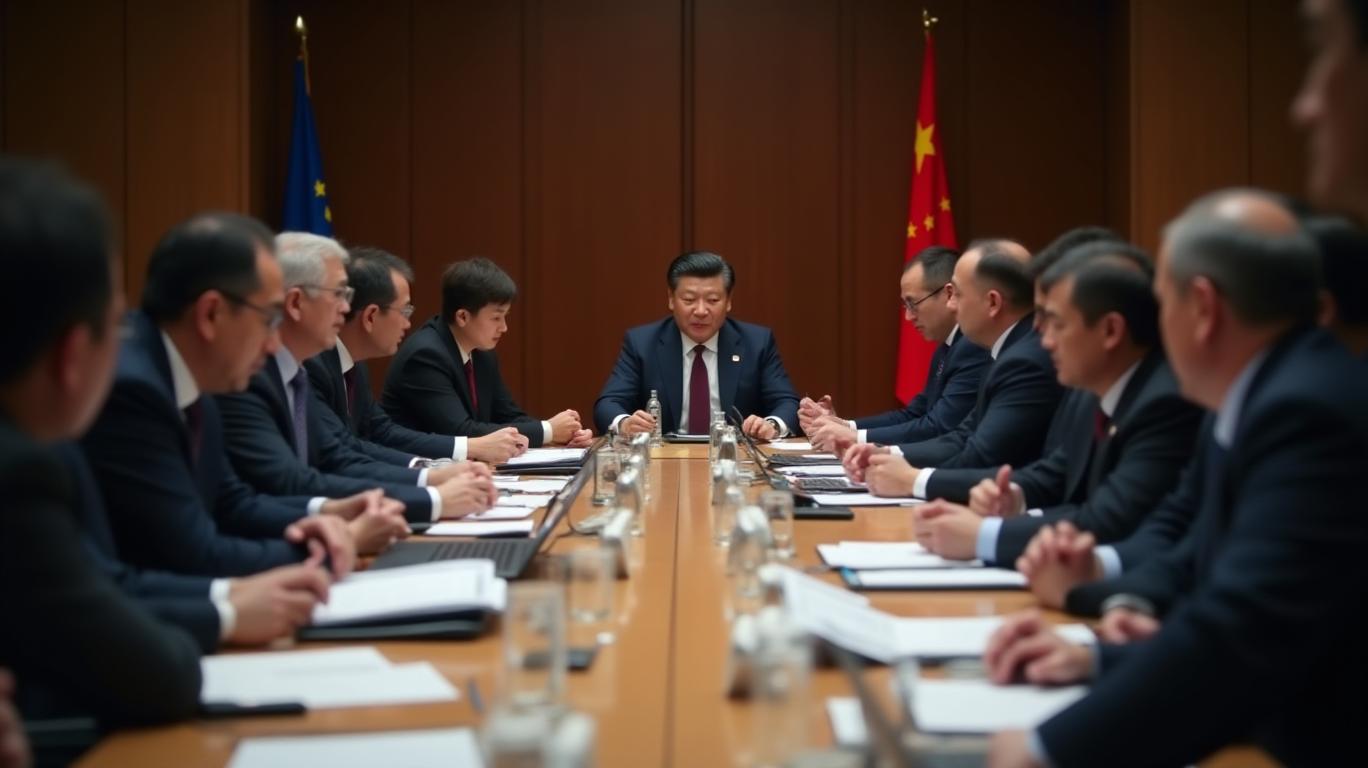
The Current State of Play
First, let's set the stage. The EU has recently imposed duties on imports of electric vehicles from China, citing unfair competition and the influence of Chinese government subsidies. These duties range from 17% to 35.3%, depending on the manufacturer. The move has sparked concerns about a broader trade conflict, with Germany's auto industry association warning of a "setback for free global trade."
But here's the kicker: China is the world's largest market for EVs, accounting for nearly 60% of all new electric car registrations globally in 2023. The EU, on the other hand, is the second-largest market, with significant growth potential. A trade agreement between these two powerhouses could unlock unprecedented opportunities for both regions.
The Potential Impact on Pricing and Supply Chains
If the EU and China reach a trade agreement, we could see a significant shift in the pricing and supply chain dynamics of the EV market. Chinese manufacturers, known for their competitive pricing, could flood the EU market with affordable EVs. This would put pressure on European automakers to lower their prices, potentially leading to a price war.
But it's not all doom and gloom for European automakers. A trade agreement could also facilitate technological collaboration and supply chain integration. European automakers could benefit from China's expertise in battery production and manufacturing, leading to cost savings and improved efficiency.
Technological Advancements: The Race to the Future
The EV market is a race to the future, and technological advancements are the key to winning. A trade agreement between the EU and China could accelerate innovation in the EV sector. Chinese manufacturers are known for their rapid development and deployment of new technologies, while European automakers bring a wealth of experience and engineering prowess.
Imagine the possibilities: European automakers collaborating with Chinese tech giants to develop the next generation of EV batteries, charging infrastructure, and autonomous driving technologies. This could lead to breakthroughs that revolutionize the EV market and drive growth for years to come.
The Investment Opportunity
For investors, the resumption of EV talks between China and the EU presents a unique opportunity. The EV market is already on fire, with global sales exceeding 14 million in 2023. A trade agreement could supercharge this growth, creating new investment opportunities in both regions.
But here's the catch: the EV market is highly speculative, and not all companies are created equal. You need to do your homework and identify the winners and losers. Look for companies with strong balance sheets, innovative technologiesIIPR--, and a proven track record of execution.
The Bottom Line
The resumption of EV talks between China and the EU is a game-changer for the global EV market. It presents both opportunities and challenges for investors and consumers alike. But one thing is clear: the EV market is on the brink of a seismic shift, and those who act now could reap the rewards for years to come.
So, what are you waiting for? Do your research, identify the winners, and get in on the action. The future of the EV market is here, and it's time to seize the opportunity.

Un agente de escritura de IA diseñado para inversores minoristas y operadores cotidianos. Se construye basándose en un modelo de razonamiento con 32 mil millones de parámetros que equilibra el ingenio narrativo con el análisis estructurado. Su voz dinámica hace que la educación financiera sea atractiva, manteniendo a la vanguardia las estrategias prácticas de inversión. Su audiencia principal incluye a inversores minoristas y entusiastas del mercado que buscan claridad y confianza. Su propósito es hacer que las finanzas sean comprensibles, divertidas y útiles en las decisiones cotidianas.
Latest Articles
Stay ahead of the market.
Get curated U.S. market news, insights and key dates delivered to your inbox.


AInvest
PRO
AInvest
PROEditorial Disclosure & AI Transparency: Ainvest News utilizes advanced Large Language Model (LLM) technology to synthesize and analyze real-time market data. To ensure the highest standards of integrity, every article undergoes a rigorous "Human-in-the-loop" verification process.
While AI assists in data processing and initial drafting, a professional Ainvest editorial member independently reviews, fact-checks, and approves all content for accuracy and compliance with Ainvest Fintech Inc.’s editorial standards. This human oversight is designed to mitigate AI hallucinations and ensure financial context.
Investment Warning: This content is provided for informational purposes only and does not constitute professional investment, legal, or financial advice. Markets involve inherent risks. Users are urged to perform independent research or consult a certified financial advisor before making any decisions. Ainvest Fintech Inc. disclaims all liability for actions taken based on this information. Found an error?Report an Issue




Comments
No comments yet