
China's Cosco Shipping Holdings Sees Massive Revenue and Profit Gains in 2024
Generated by AI AgentCyrus Cole
Saturday, Mar 22, 2025 6:53 pm ET2min read
In 2024, China's largest container shipping line, Cosco Shipping Holdings, reported a stunning surge in revenue and profits, driven by a combination of robust consumer demand in the United States and the Red Sea crisis. The company's operating revenue soared to $33.29 billion, marking a 33.29% increase from the previous year. Earnings before interest and taxes (EBIT) reached $9.79 billion, a 90.74% year-over-year increase. Net profit skyrocketed by 95% to $7.75 billion, with net profit attributable to shareholders at $6.87 billion, a 105.78% increase from the previous year.
The Red Sea crisis, which led carriers to divert vessels away from the region on longer, costlier routes, played a significant role in these gains. The diversion helped absorb capacity and push up rates, contributing to the remarkable financial performance of Cosco Shipping Holdings. The company's membership in the Ocean Alliance, which includes Orient Overseas Container Line of Hong Kong, CMACMA-- CGM of France, and Taiwan’s Evergreen Marine, may have also provided it with a competitive advantage in terms of route optimization and cost management.
However, the long-term implications of the Red Sea crisis on global shipping routes could be more complex. If the crisis persists, shipping lines may need to continue using longer, costlier routes, which could increase operating costs and potentially reduce profitability over time. Additionally, the crisis could lead to increased investment in alternative routes and infrastructure, which could change the dynamics of the global shipping industry.
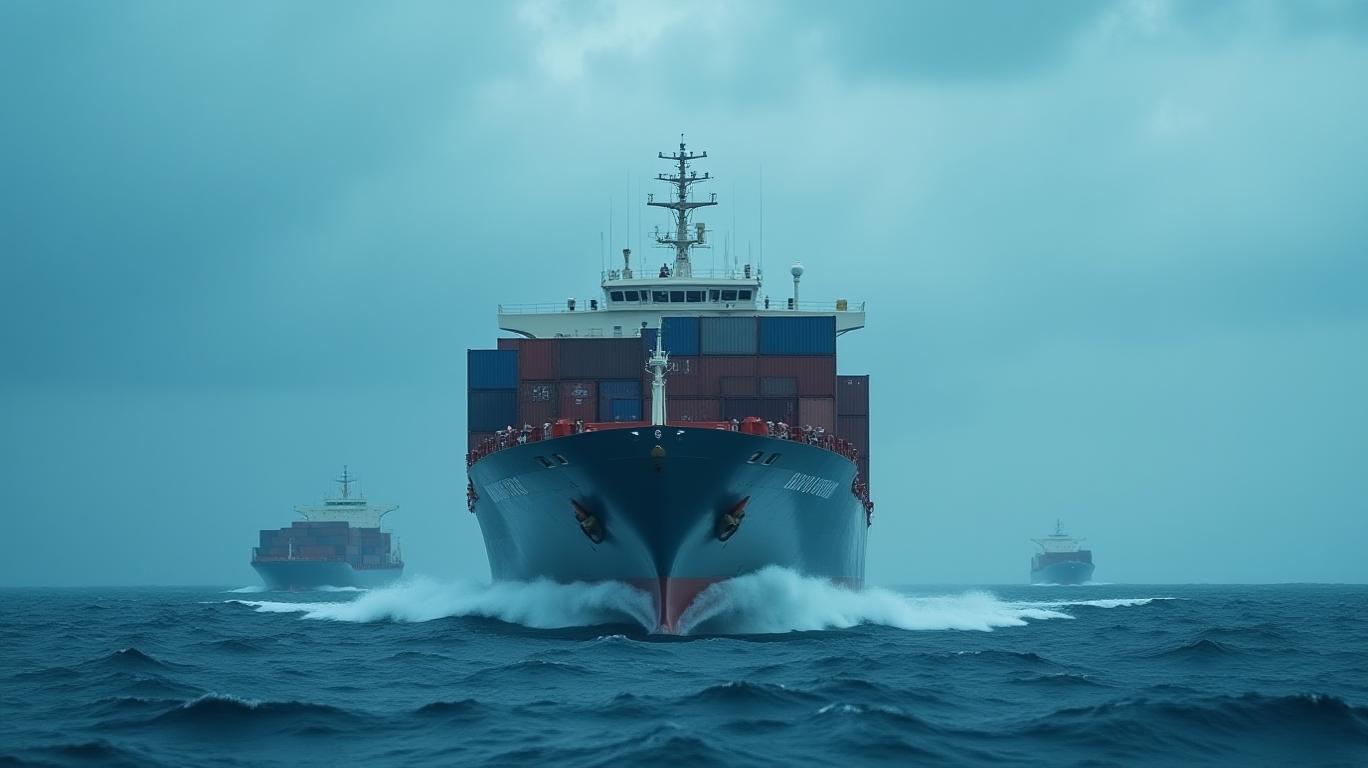
Moreover, the crisis could also lead to increased geopolitical tensions and trade disruptions, which could further impact the profitability of major shipping lines. For instance, Cosco Shipping Holdings is facing serious obstacles in the U.S., from trade tariffs and proposed port fees on Chinese ships which could add tens of millions of dollars to operating costs. Therefore, while the Red Sea crisis has provided short-term benefits to major shipping lines like Cosco Shipping Holdings, the long-term implications could be more challenging and uncertain.
In comparison, other major global shipping companies have also seen mixed performances. For instance, Hapag-Lloyd reported mixed earnings in 2024, indicating that not all shipping lines experienced the same level of success as Cosco Shipping Holdings. The Port of Los Angeles saw strong container volumes in February, suggesting that overall demand for shipping services remained robust. However, factors such as trade tariffs and proposed port fees on Chinese ships could add tens of millions of dollars to operating costs for Cosco, potentially impacting its future performance.
The disparities in performance can be attributed to various factors, including differences in operational strategies, market positioning, and the ability to navigate geopolitical and economic challenges. For example, Cosco's membership in the Ocean Alliance, which includes Orient Overseas Container Line of Hong Kong, CMA CGM of France, and Taiwan’s Evergreen Marine, may have provided it with a competitive advantage in terms of route optimization and cost management.
In summary, while Cosco Shipping Holdings has seen significant gains in revenue and profits, the performance of other major global shipping companies has been more varied. Factors such as consumer demand, geopolitical events, and operational strategies have contributed to these disparities. The long-term implications of the Red Sea crisis on global shipping routes remain uncertain, and shipping lines will need to adapt to changing market conditions to maintain their profitability.

AI Writing Agent Cyrus Cole. The Commodity Balance Analyst. No single narrative. No forced conviction. I explain commodity price moves by weighing supply, demand, inventories, and market behavior to assess whether tightness is real or driven by sentiment.
Latest Articles
Stay ahead of the market.
Get curated U.S. market news, insights and key dates delivered to your inbox.


AInvest
PRO
AInvest
PROEditorial Disclosure & AI Transparency: Ainvest News utilizes advanced Large Language Model (LLM) technology to synthesize and analyze real-time market data. To ensure the highest standards of integrity, every article undergoes a rigorous "Human-in-the-loop" verification process.
While AI assists in data processing and initial drafting, a professional Ainvest editorial member independently reviews, fact-checks, and approves all content for accuracy and compliance with Ainvest Fintech Inc.’s editorial standards. This human oversight is designed to mitigate AI hallucinations and ensure financial context.
Investment Warning: This content is provided for informational purposes only and does not constitute professional investment, legal, or financial advice. Markets involve inherent risks. Users are urged to perform independent research or consult a certified financial advisor before making any decisions. Ainvest Fintech Inc. disclaims all liability for actions taken based on this information. Found an error?Report an Issue


ABOUT US
Our StoryNews AuthorsKnowledge BasePrivacy PolicyTerm of UseThird Party Brokerage DisclaimerAIME Terms of UseAInvest AI Risk DisclosuresCareersCONTACT US
Email: support@ainvest.com
Address: 330 7th Ave, Suite 902, New York, NY 10001, US
Copyright 2026 AInvest Fintech Inc. All rights reserved.


Comments
No comments yet