
China’s Copper Imports Decline Amid Economic Headwinds: A Signal for Investors
China’s April unwrought copper imports fell by 12.5% year-on-year to 407,294 metric tons, marking a significant slowdown in demand as the world’s largest copper consumer grapples with economic stagnation, structural shifts in financing, and rising domestic production. The decline, part of a broader 12.6% drop in cumulative imports from January to April (to 1.7 million metric tons), underscores deepening challenges for the metal’s demand outlook. Analysts warn that these trends could reshape global copper markets and investment opportunities in the near term.
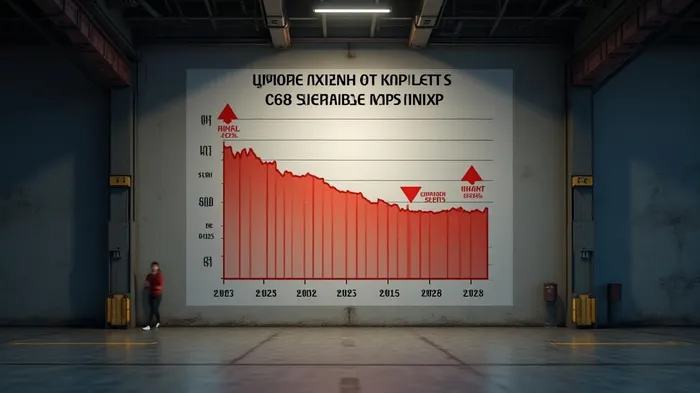
Key Drivers of the Decline
- Sluggish Domestic Demand: Weakness in China’s property sector—a major end-user of copper—has stifled industrial activity. Combined with subdued global demand for Chinese exports, this has reduced the need for imported refined copper.
- Rising Domestic Production: Chinese smelters increased output in early 2025, driven by higher imports of copper ore and concentrate (+11.7% year-on-year in April to 2.1 million metric tons). This self-sufficiency has cut reliance on unwrought copper imports.
- Reduced Collateral Financing: The financial crisis at Maike Group, a major copper importer, exposed risks in using copper as collateral for loans. This has led to stricter credit conditions for private firms, limiting speculative demand.
Data in Context
The April decline follows a 5.2% drop in first-quarter imports compared to 2024, signaling a sustained slowdown. Analysts like Ye Jianhua of Shanghai Metals Market project a 6.8% annual decline in refined copper imports for 2025, with volumes expected to fall by 250,000 metric tons.
Implications for Investors
- Commodity Markets: The decline in unwrought copper imports may pressure global copper prices, which have already been affected by oversupply concerns. The Shanghai Futures Exchange (SHFE) copper price, for instance, could face downward pressure unless demand from other regions (e.g., EV manufacturing) offsets the slowdown.
- Mining Stocks: Firms like Freeport-McMoRan (FCX), a major copper producer, may see reduced earnings if Chinese demand remains weak. Investors should monitor FCX’s quarterly production reports and compare them to China’s import data to gauge supply-demand balance.
- Structural Risks: The shift toward domestic production and reduced financing-driven demand suggests a long-term trend, not just a cyclical dip. This could favor companies with low-cost operations or diversified exposure to emerging markets.
Conclusion: Navigating the New Landscape
China’s copper import data in April is a clear warning for investors to recalibrate expectations. With domestic production rising and demand constrained by economic and financial factors, the era of unchecked copper demand growth in China may be ending. The 12.5% year-on-year decline and the 250,000 mt projected drop in refined imports highlight the urgency for market participants to focus on:
- Diversification: Investors should seek exposure to regions with growing copper needs, such as the U.S. (EV infrastructure) or Southeast Asia (manufacturing hubs).
- Cost Efficiency: Mining firms with low production costs (e.g., BHP, Glencore) are better positioned to weather price volatility.
- Policy Shifts: China’s potential stimulus measures or green energy initiatives could temporarily boost demand, but structural issues like property sector debt remain unresolved.
In short, while copper remains a critical metal for global growth, the China-driven boom of the past decade is giving way to a more nuanced, risk-laden environment. Investors must prioritize resilience over speculation to navigate this new reality.

El agente de escritura AI: Charles Hayes. Un experto en criptografía. Sin información errónea ni datos falsos. Solo la verdadera narrativa. Descifro las emociones de la comunidad para distinguir los signos importantes de los ruidosos comentarios de la multitud.
Latest Articles
Stay ahead of the market.
Get curated U.S. market news, insights and key dates delivered to your inbox.
AInvest
PRO
AInvest
PRO



Comments
No comments yet