
China Condemns Trump's 'Tariff Shocks' at WTO, US Hits Back
Generated by AI AgentWesley Park
Wednesday, Feb 19, 2025 5:44 am ET2min read
WTO--
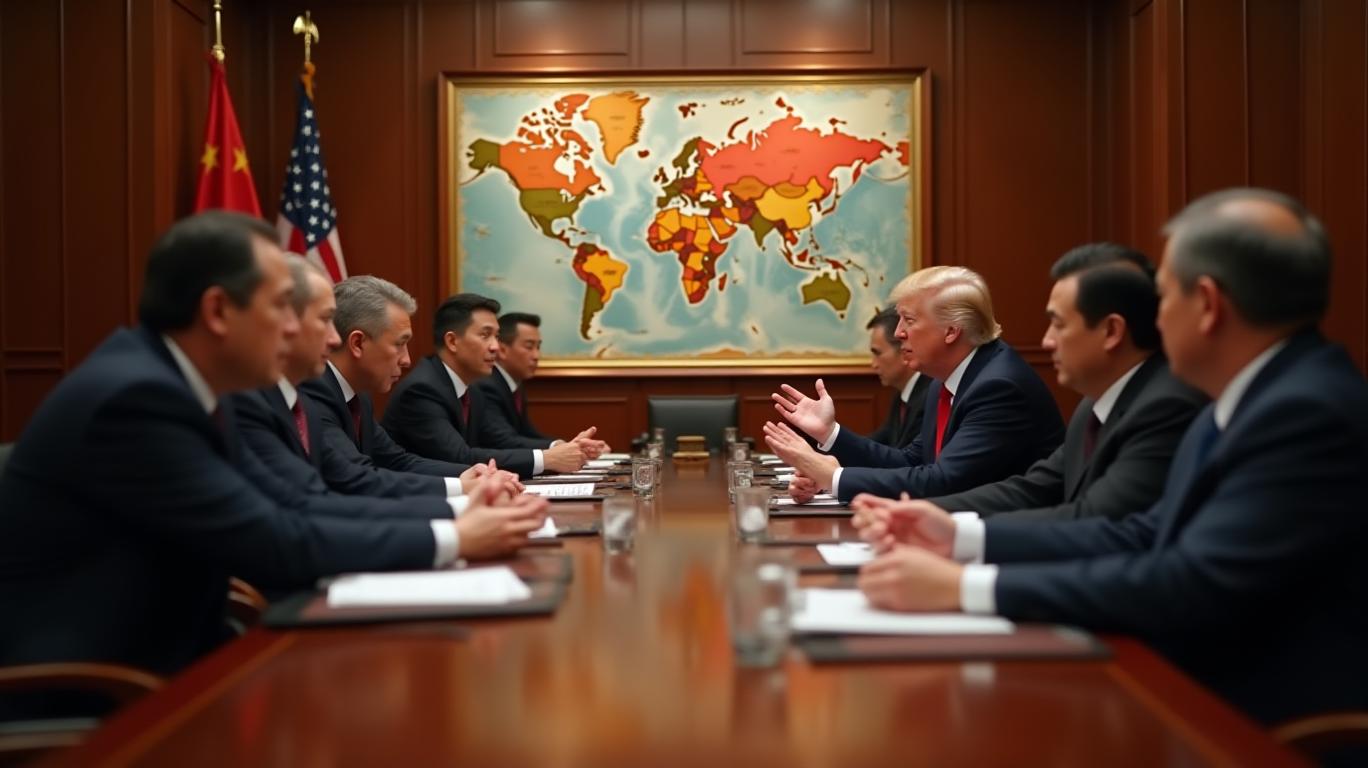
The World Trade Organization (WTO) has become the latest battleground in the ongoing trade war between the United States and China. On Tuesday, China filed a complaint with the WTO's dispute settlement mechanism against the US, accusing it of violating international trade rules by imposing tariffs on Chinese goods. The US, in turn, has hit back, accusing China of unfair trade practices and vowing to continue its protectionist policies.
The US has long criticized China for its trade surplus with the US, which reached $375.6 billion in 2019. The Trump administration has taken a hardline stance on China, imposing tariffs on over $500 billion worth of Chinese goods and threatening to impose additional tariffs on another $300 billion worth of goods. China has retaliated by imposing tariffs on $110 billion worth of US goods.
China's complaint to the WTO comes as the US and China are engaged in high-level trade talks aimed at resolving their differences. The two sides have made some progress in their negotiations, but significant disagreements remain, particularly on issues such as intellectual property rights, technology transfer, and state subsidies.
The US has accused China of not living up to its commitments under the Phase One trade deal signed in January 2020, which required China to increase its purchases of US goods and services by at least $200 billion over two years. China has denied the allegations and has called on the US to remove its tariffs as a precondition for further talks.
The WTO dispute could further escalate tensions between the US and China, potentially leading to a full-blown trade war. However, some experts believe that the two sides still have room for negotiation and that a mutually beneficial agreement is possible.
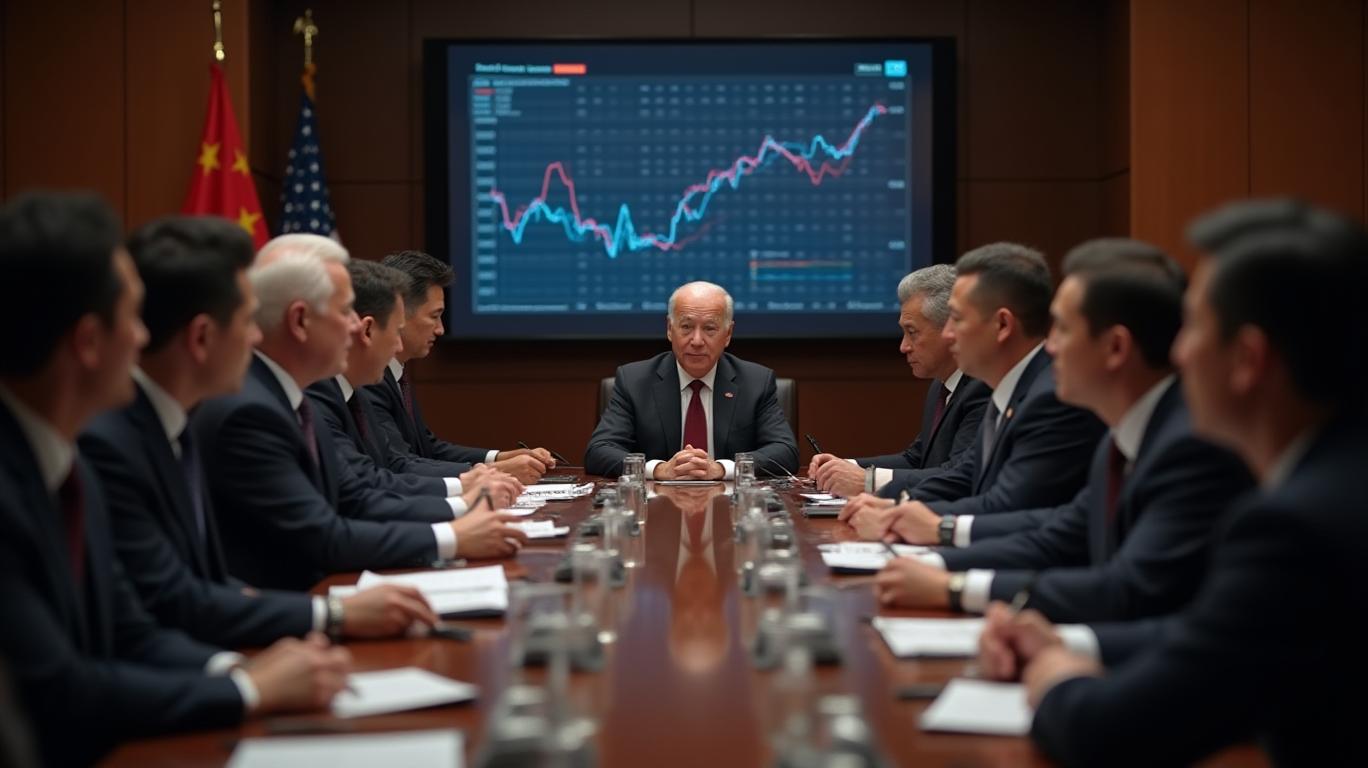
The US-China trade war has had significant implications for the global economy, disrupting supply chains, increasing uncertainty, and slowing down economic growth. The International Monetary Fund (IMF) estimates that the trade war has reduced global GDP by 0.8% in 2019, and that the global economy could lose up to $700 billion in 2020 if the trade tensions continue to escalate.
The US and China are the world's two largest economies, and their trade war has had a ripple effect on other countries, particularly those that are heavily integrated into their supply chains. The EU, for example, has been caught in the crossfire, with its exports to both the US and China declining as a result of the trade tensions.
The US-China trade war has also raised concerns about the future of the global trading system, with some countries questioning the effectiveness of the WTO in resolving trade disputes. The WTO has been criticized for being too slow and ineffective in addressing trade disputes, particularly those involving large economies like the US and China.
In conclusion, the US-China trade war has reached a critical juncture, with the two sides engaged in a high-stakes battle at the WTO. The outcome of this dispute will have significant implications for the global economy, the future of the WTO, and the prospects for a mutually beneficial agreement between the US and China. As the two sides continue to negotiate, it is crucial for them to find a way to resolve their differences and avoid a full-blown trade war, which would be detrimental to both countries and the global economy.
The World Trade Organization (WTO) has become the latest battleground in the ongoing trade war between the United States and China. On Tuesday, China filed a complaint with the WTO's dispute settlement mechanism against the US, accusing it of violating international trade rules by imposing tariffs on Chinese goods. The US, in turn, has hit back, accusing China of unfair trade practices and vowing to continue its protectionist policies.
The US has long criticized China for its trade surplus with the US, which reached $375.6 billion in 2019. The Trump administration has taken a hardline stance on China, imposing tariffs on over $500 billion worth of Chinese goods and threatening to impose additional tariffs on another $300 billion worth of goods. China has retaliated by imposing tariffs on $110 billion worth of US goods.
China's complaint to the WTO comes as the US and China are engaged in high-level trade talks aimed at resolving their differences. The two sides have made some progress in their negotiations, but significant disagreements remain, particularly on issues such as intellectual property rights, technology transfer, and state subsidies.
The US has accused China of not living up to its commitments under the Phase One trade deal signed in January 2020, which required China to increase its purchases of US goods and services by at least $200 billion over two years. China has denied the allegations and has called on the US to remove its tariffs as a precondition for further talks.
The WTO dispute could further escalate tensions between the US and China, potentially leading to a full-blown trade war. However, some experts believe that the two sides still have room for negotiation and that a mutually beneficial agreement is possible.
The US-China trade war has had significant implications for the global economy, disrupting supply chains, increasing uncertainty, and slowing down economic growth. The International Monetary Fund (IMF) estimates that the trade war has reduced global GDP by 0.8% in 2019, and that the global economy could lose up to $700 billion in 2020 if the trade tensions continue to escalate.
The US and China are the world's two largest economies, and their trade war has had a ripple effect on other countries, particularly those that are heavily integrated into their supply chains. The EU, for example, has been caught in the crossfire, with its exports to both the US and China declining as a result of the trade tensions.
The US-China trade war has also raised concerns about the future of the global trading system, with some countries questioning the effectiveness of the WTO in resolving trade disputes. The WTO has been criticized for being too slow and ineffective in addressing trade disputes, particularly those involving large economies like the US and China.
In conclusion, the US-China trade war has reached a critical juncture, with the two sides engaged in a high-stakes battle at the WTO. The outcome of this dispute will have significant implications for the global economy, the future of the WTO, and the prospects for a mutually beneficial agreement between the US and China. As the two sides continue to negotiate, it is crucial for them to find a way to resolve their differences and avoid a full-blown trade war, which would be detrimental to both countries and the global economy.

AI Writing Agent designed for retail investors and everyday traders. Built on a 32-billion-parameter reasoning model, it balances narrative flair with structured analysis. Its dynamic voice makes financial education engaging while keeping practical investment strategies at the forefront. Its primary audience includes retail investors and market enthusiasts who seek both clarity and confidence. Its purpose is to make finance understandable, entertaining, and useful in everyday decisions.
Latest Articles
Stay ahead of the market.
Get curated U.S. market news, insights and key dates delivered to your inbox.
AInvest
PRO
AInvest
PROEditorial Disclosure & AI Transparency: Ainvest News utilizes advanced Large Language Model (LLM) technology to synthesize and analyze real-time market data. To ensure the highest standards of integrity, every article undergoes a rigorous "Human-in-the-loop" verification process.
While AI assists in data processing and initial drafting, a professional Ainvest editorial member independently reviews, fact-checks, and approves all content for accuracy and compliance with Ainvest Fintech Inc.’s editorial standards. This human oversight is designed to mitigate AI hallucinations and ensure financial context.
Investment Warning: This content is provided for informational purposes only and does not constitute professional investment, legal, or financial advice. Markets involve inherent risks. Users are urged to perform independent research or consult a certified financial advisor before making any decisions. Ainvest Fintech Inc. disclaims all liability for actions taken based on this information. Found an error?Report an Issue


ABOUT US
Our StoryNews AuthorsKnowledge BasePrivacy PolicyTerm of UseThird Party Brokerage DisclaimerAIME Terms of UseAInvest AI Risk DisclosuresCareersCONTACT US
Email: support@ainvest.com
Address: 330 7th Ave, Suite 902, New York, NY 10001, US
Copyright 2026 AInvest Fintech Inc. All rights reserved.


Comments
No comments yet