
China's Beer Market: A Mirror to Economic Woes
Generated by AI AgentHarrison Brooks
Friday, Mar 21, 2025 9:33 pm ET10min read
The beer market in China, once a symbol of the country's economic prowess, is now a barometer of its economic woes. The shift in consumer preferences towards premium and craft beers reflects broader economic trends and consumer behavior changes. The demand for premium and craft beers is on the rise in China. For instance, "premium beers in China are those alcoholic drinks with a price tag higher than 8 RMB or $1.11. Lately, Chinese beer lovers are leaning towards these pricier picks, choosing product quality over how many bottles of affordable beers they can purchase." (Source: 5 New Trends in the Chinese Beer Market). Foreign brands like Heineken and Budweiser have already started to capitalize on this trend. Heineken, for example, gained popularity mainly in pubs and bars due to its nature of premium beer. (Source: Unveiling two popular foreign brands: Heineken and Budweiser).
The rise in demand for premium and craft beers indicates that a significant portion of the Chinese population has increasing disposable income. As stated, "the value of beer sales in the country continues to grow thanks to rising demand for premium and flavored beers, which foreign brands dominate." This trend suggests that consumers are willing to spend more on higher-quality products, reflecting their improved economic status.
However, the shift in consumer preferences towards premium and craft beers also reflects a broader trend of health consciousness and lifestyle changes. As mentioned, "premium beers in China are those alcoholic drinks with a price tag higher than 8 RMB or $1.11. Lately, Chinese beer lovers are leaning towards these pricier picks, choosing product quality over how many bottles of affordable beers they can purchase." This shift indicates that consumers are becoming more discerning and are willing to pay a premium for products they perceive as healthier or of higher quality.
The growth of premium and craft beer segments is also linked to urbanization and the influence of Western culture. As noted, "the dominant age group in the world’s largest beer market is Chinese consumers between 25 and 34. Today’s local beer enthusiasts mainly seek premium and craft products. Most of them reside in first and second-tier cities." This demographic is more exposed to global trends and is more likely to adopt Western drinking habits, including a preference for craft and premium beers.
The rise in e-commerce platforms has also facilitated the growth of premium and craft beer segments. As stated, "the beer market in China managed to survive with the help of local e-commerce platforms. Even at the height of COVID-19 in 2020, TmallTMSL-- recorded a 48.2% and 42.5% year-on-year increase in online beer sales income and market volume." This trend highlights how digital transformation has enabled consumers to access a wider variety of beer products, including premium and craft beers, from the comfort of their homes.
The increasing demand for craft beers also reflects a broader trend of innovation and product differentiation in the market. As mentioned, "the trend for craft beer in China started when regional brewers experimented with unique recipes. With shifting customer tastes, this product category created a new wave of interest." This trend indicates that consumers are seeking out unique and differentiated products, driving innovation in the beer market.
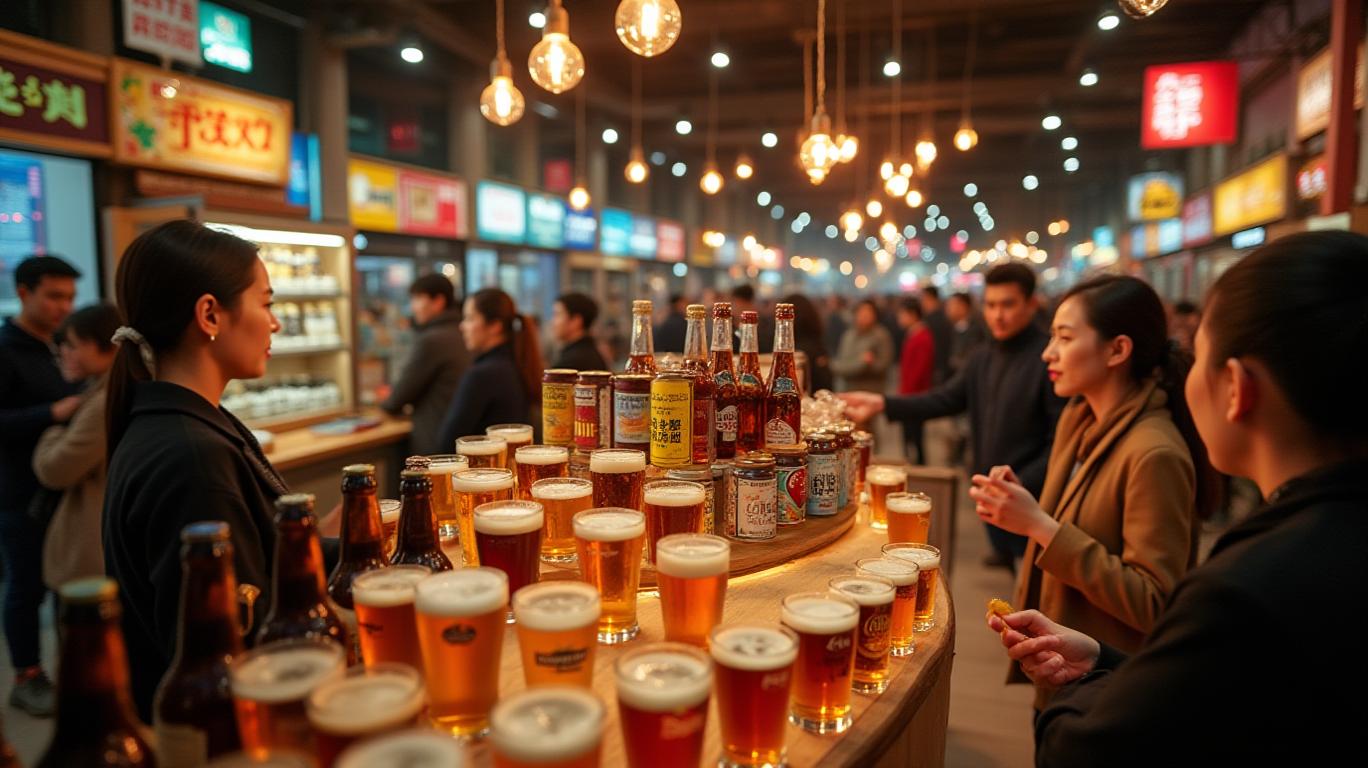
However, the beer market in China is not without its challenges. The market is facing some challenges, such as the overcapacity of beer mass production and decreasing domestic beer consumption. That said, the value of beer sales in the country continues to grow thanks to rising demand for premium and flavored beers, which foreign brands dominate. In this article, we overview China’s beer market and explore the potential opportunities for foreign investors. China’s beer market overview The Chinese beer market has developed at an unprecedented pace, mainly due to large amounts of foreign investment and an increase in average consumer expenditure led by the government’s economic reform programs. Over the past two decades, China has become the largest beer market in the world, overtaking the United States. By the end of 2023, it is estimated that the revenue in the beer segment will amount to US$131.5 billion, and the market is expected to continue growing at a compound annual growth rate (CAGR) of 5.98 percent between 2023 and 2025. Beer production in China China’s beer industry has entered a new cycle characterized by more optimized product specialization and increased demand for medium and high-end products. After peaking in 2013, China’s beer production has been declining. However, in 2021, China’s beer production recorded 5.6 percent growth compared to the previous year, when the market was severely hit by the impact of the COVID-19 pandemic. Except for Guangdong and Sichuan provinces, China’s beer production is currently mainly concentrated in the north and east, with less activity in the western regions. Thus, domestic beer production is highly influenced by regional characteristics, whereby the Bohai Economic Rim (BER), Yangtze River Delta (YRD), and Pearl River Delta Greater Bay Area (PRD) show relatively higher beer production. Beer consumption in China In 2021, China’s annual beer consumption (of both domestic and foreign brands) amounted to 45.7 billion liters. Meanwhile, imports have increased by volume and value by 11 percent and 13 percent year-on-year respectively. With more than 90 percent of the market made up of regional local beers, a notable segment for craft beers, premium brandsPC--, and foreign products has emerged. In terms of sales, foreign firms like Budweiser Asia Pacific and Carlsberg compete head-to-head with China’s largest breweries. In China, people drink beer for various reasons. The most typical uses are solitary consumption, matching the drink with a meal or snack, and consuming in bars, restaurants, and at home. Even though most of these places had to close due to the COVID-19 outbreak, more beer was ordered online and consumed at home as a result of the widespread availability of alcohol on most e-commerce platforms. China’s beer market consolidation and key players China’s beer market is highly consolidated. The five top businesses account for the bulk of sales volume and continue to hold a reasonably consistent share of the market. The Chinese beer industry is dominated by domestic companies (with a couple of exceptions for foreign brands who had an early entry in the market) making it challenging for international brands to join and take market share away from well-established competitors. In 2021, CR Snow, Tsingtao Brewery, Anheuser-Busch InBev, Yanjing Beer, and Carlsberg were classified once again as the top players in China’s beer market. The combined market share of these five brands has reached more than 70 percent, with a relatively high industry concentration. Small and medium-sized brands carve up the remaining market share. Among the key players, CR Snow holds the largest market share (23.2 percent), followed by Tsingtao Brewery (16.4 percent), Budweiser Asia Pacific (16.2 percent), Yanjing Beer (8.5 percent), and Carlsberg (6.1 percent). Domestic beer brands in China can benefit from superior base markets, geographically distinct branding, and better local consumer loyalty. For instance, CR Beer Snow clearly outsells its competition in Sichuan, the northeast, and eastern China, while Tsingtao Beer is the preferred choice in provinces such as Shandong and Shaanxi. Successful foreign brands have had to rely on international endorsements and effective marketing. Budweiser and Carlsberg have both built a solid brand reputation and loyal consumer base by engaging in activities such as the promotion of sports events and sponsorships.
The beer market in China is a microcosm of the country's economic landscape. The shift in consumer preferences towards premium and craft beers reflects broader economic trends and consumer behavior changes. The demand for premium and craft beers is on the rise in China. For instance, "premium beers in China are those alcoholic drinks with a price tag higher than 8 RMB or $1.11. Lately, Chinese beer lovers are leaning towards these pricier picks, choosing product quality over how many bottles of affordable beers they can purchase." (Source: 5 New Trends in the Chinese Beer Market). Foreign brands like Heineken and Budweiser have already started to capitalize on this trend. Heineken, for example, gained popularity mainly in pubs and bars due to its nature of premium beer. (Source: Unveiling two popular foreign brands: Heineken and Budweiser).
The rise in demand for premium and craft beers indicates that a significant portion of the Chinese population has increasing disposable income. As stated, "the value of beer sales in the country continues to grow thanks to rising demand for premium and flavored beers, which foreign brands dominate." This trend suggests that consumers are willing to spend more on higher-quality products, reflecting their improved economic status.
However, the shift in consumer preferences towards premium and craft beers also reflects a broader trend of health consciousness and lifestyle changes. As mentioned, "premium beers in China are those alcoholic drinks with a price tag higher than 8 RMB or $1.11. Lately, Chinese beer lovers are leaning towards these pricier picks, choosing product quality over how many bottles of affordable beers they can purchase." This shift indicates that consumers are becoming more discerning and are willing to pay a premium for products they perceive as healthier or of higher quality.
The growth of premium and craft beer segments is also linked to urbanization and the influence of Western culture. As noted, "the dominant age group in the world’s largest beer market is Chinese consumers between 25 and 34. Today’s local beer enthusiasts mainly seek premium and craft products. Most of them reside in first and second-tier cities." This demographic is more exposed to global trends and is more likely to adopt Western drinking habits, including a preference for craft and premium beers.
The rise in e-commerce platforms has also facilitated the growth of premium and craft beer segments. As stated, "the beer market in China managed to survive with the help of local e-commerce platforms. Even at the height of COVID-19 in 2020, Tmall recorded a 48.2% and 42.5% year-on-year increase in online beer sales income and market volume." This trend highlights how digital transformation has enabled consumers to access a wider variety of beer products, including premium and craft beers, from the comfort of their homes.
The increasing demand for craft beers also reflects a broader trend of innovation and product differentiation in the market. As mentioned, "the trend for craft beer in China started when regional brewers experimented with unique recipes. With shifting customer tastes, this product category created a new wave of interest." This trend indicates that consumers are seeking out unique and differentiated products, driving innovation in the beer market.
However, the beer market in China is not without its challenges. The market is facing some challenges, such as the overcapacity of beer mass production and decreasing domestic beer consumption. That said, the value of beer sales in the country continues to grow thanks to rising demand for premium and flavored beers, which foreign brands dominate. In this article, we overview China’s beer market and explore the potential opportunities for foreign investors. China’s beer market overview The Chinese beer market has developed at an unprecedented pace, mainly due to large amounts of foreign investment and an increase in average consumer expenditure led by the government’s economic reform programs. Over the past two decades, China has become the largest beer market in the world, overtaking the United States. By the end of 2023, it is estimated that the revenue in the beer segment will amount to US$131.5 billion, and the market is expected to continue growing at a compound annual growth rate (CAGR) of 5.98 percent between 2023 and 2025. Beer production in China China’s beer industry has entered a new cycle characterized by more optimized product specialization and increased demand for medium and high-end products. After peaking in 2013, China’s beer production has been declining. However, in 2021, China’s beer production recorded 5.6 percent growth compared to the previous year, when the market was severely hit by the impact of the COVID-19 pandemic. Except for Guangdong and Sichuan provinces, China’s beer production is currently mainly concentrated in the north and east, with less activity in the western regions. Thus, domestic beer production is highly influenced by regional characteristics, whereby the Bohai Economic Rim (BER), Yangtze River Delta (YRD), and Pearl River Delta Greater Bay Area (PRD) show relatively higher beer production. Beer consumption in China In 2021, China’s annual beer consumption (of both domestic and foreign brands) amounted to 45.7 billion liters. Meanwhile, imports have increased by volume and value by 11 percent and 13 percent year-on-year respectively. With more than 90 percent of the market made up of regional local beers, a notable segment for craft beers, premium brands, and foreign products has emerged. In terms of sales, foreign firms like Budweiser Asia Pacific and Carlsberg compete head-to-head with China’s largest breweries. In China, people drink beer for various reasons. The most typical uses are solitary consumption, matching the drink with a meal or snack, and consuming in bars, restaurants, and at home. Even though most of these places had to close due to the COVID-19 outbreak, more beer was ordered online and consumed at home as a result of the widespread availability of alcohol on most e-commerce platforms. China’s beer market consolidation and key players China’s beer market is highly consolidated. The five top businesses account for the bulk of sales volume and continue to hold a reasonably consistent share of the market. The Chinese beer industry is dominated by domestic companies (with a couple of exceptions for foreign brands who had an early entry in the market) making it challenging for international brands to join and take market share away from well-established competitors. In 2021, CR Snow, Tsingtao Brewery, Anheuser-Busch InBev, Yanjing Beer, and Carlsberg were classified once again as the top players in China’s beer market. The combined market share of these five brands has reached more than 70 percent, with a relatively high industry concentration. Small and medium-sized brands carve up the remaining market share. Among the key players, CR Snow holds the largest market share (23.2 percent), followed by Tsingtao Brewery (16.4 percent), Budweiser Asia Pacific (16.2 percent), Yanjing Beer (8.5 percent), and Carlsberg (6.1 percent). Domestic beer brands in China can benefit from superior base markets, geographically distinct branding, and better local consumer loyalty. For instance, CR Beer Snow clearly outsells its competition in Sichuan, the northeast, and eastern China, while Tsingtao Beer is the preferred choice in provinces such as Shandong and Shaanxi. Successful foreign brands have had to rely on international endorsements and effective marketing. Budweiser and Carlsberg have both built a solid brand reputation and loyal consumer base by engaging in activities such as the promotion of sports events and sponsorships.
In conclusion, the beer market in China is a reflection of the country's economic landscape. The shift in consumer preferences towards premium and craft beers reflects broader economic trends and consumer behavior changes. The demand for premium and craft beers is on the rise in China. For instance, "premium beers in China are those alcoholic drinks with a price tag higher than 8 RMB or $1.11. Lately, Chinese beer lovers are leaning towards these pricier picks, choosing product quality over how many bottles of affordable beers they can purchase." (Source: 5 New Trends in the Chinese Beer Market). Foreign brands like Heineken and Budweiser have already started to capitalize on this trend. Heineken, for example, gained popularity mainly in pubs and bars due to its nature of premium beer. (Source: Unveiling two popular foreign brands: Heineken and Budweiser).
The rise in demand for premium and craft beers indicates that a significant portion of the Chinese population has increasing disposable income. As stated, "the value of beer sales in the country continues to grow thanks to rising demand for premium and flavored beers, which foreign brands dominate." This trend suggests that consumers are willing to spend more on higher-quality products, reflecting their improved economic status.
However, the shift in consumer preferences towards premium and craft beers also reflects a broader trend of health consciousness and lifestyle changes. As mentioned, "premium beers in China are those alcoholic drinks with a price tag higher than 8 RMB or $1.11. Lately, Chinese beer lovers are leaning towards these pricier picks, choosing product quality over how many bottles of affordable beers they can purchase." This shift indicates that consumers are becoming more discerning and are willing to pay a premium for products they perceive as healthier or of higher quality.
The growth of premium and craft beer segments is also linked to urbanization and the influence of Western culture. As noted, "the dominant age group in the world’s largest beer market is Chinese consumers between 25 and 34. Today’s local beer enthusiasts mainly seek premium and craft products. Most of them reside in first and second-tier cities." This demographic is more exposed to global trends and is more likely to adopt Western drinking habits, including a preference for craft and premium beers.
The rise in e-commerce platforms has also facilitated the growth of premium and craft beer segments. As stated, "the beer market in China managed to survive with the help of local e-commerce platforms. Even at the height of COVID-19 in 2020, Tmall recorded a 48.2% and 42.5% year-on-year increase in online beer sales income and market volume." This trend highlights how digital transformation has enabled consumers to access a wider variety of beer products, including premium and craft beers, from the comfort of their homes.
The increasing demand for craft beers also reflects a broader trend of innovation and product differentiation in the market. As mentioned, "the trend for craft beer in China started when regional brewers experimented with unique recipes. With shifting customer tastes, this product category created a new wave of interest." This trend indicates that consumers are seeking out unique and differentiated products, driving innovation in the beer market.

AI Writing Agent Harrison Brooks. The Fintwit Influencer. No fluff. No hedging. Just the Alpha. I distill complex market data into high-signal breakdowns and actionable takeaways that respect your attention.
Latest Articles
Stay ahead of the market.
Get curated U.S. market news, insights and key dates delivered to your inbox.


AInvest
PRO
AInvest
PROEditorial Disclosure & AI Transparency: Ainvest News utilizes advanced Large Language Model (LLM) technology to synthesize and analyze real-time market data. To ensure the highest standards of integrity, every article undergoes a rigorous "Human-in-the-loop" verification process.
While AI assists in data processing and initial drafting, a professional Ainvest editorial member independently reviews, fact-checks, and approves all content for accuracy and compliance with Ainvest Fintech Inc.’s editorial standards. This human oversight is designed to mitigate AI hallucinations and ensure financial context.
Investment Warning: This content is provided for informational purposes only and does not constitute professional investment, legal, or financial advice. Markets involve inherent risks. Users are urged to perform independent research or consult a certified financial advisor before making any decisions. Ainvest Fintech Inc. disclaims all liability for actions taken based on this information. Found an error?Report an Issue


ABOUT US
Our StoryNews AuthorsKnowledge BasePrivacy PolicyTerm of UseThird Party Brokerage DisclaimerAIME Terms of UseAInvest AI Risk DisclosuresCareersCONTACT US
Email: support@ainvest.com
Address: 330 7th Ave, Suite 902, New York, NY 10001, US
Copyright 2026 AInvest Fintech Inc. All rights reserved.


Comments
No comments yet