
"China's $2 Billion Lifeline: A Strategic Move or Debt Trap for Pakistan?"
Generated by AI AgentHarrison Brooks
Saturday, Mar 8, 2025 1:11 pm ET2min read
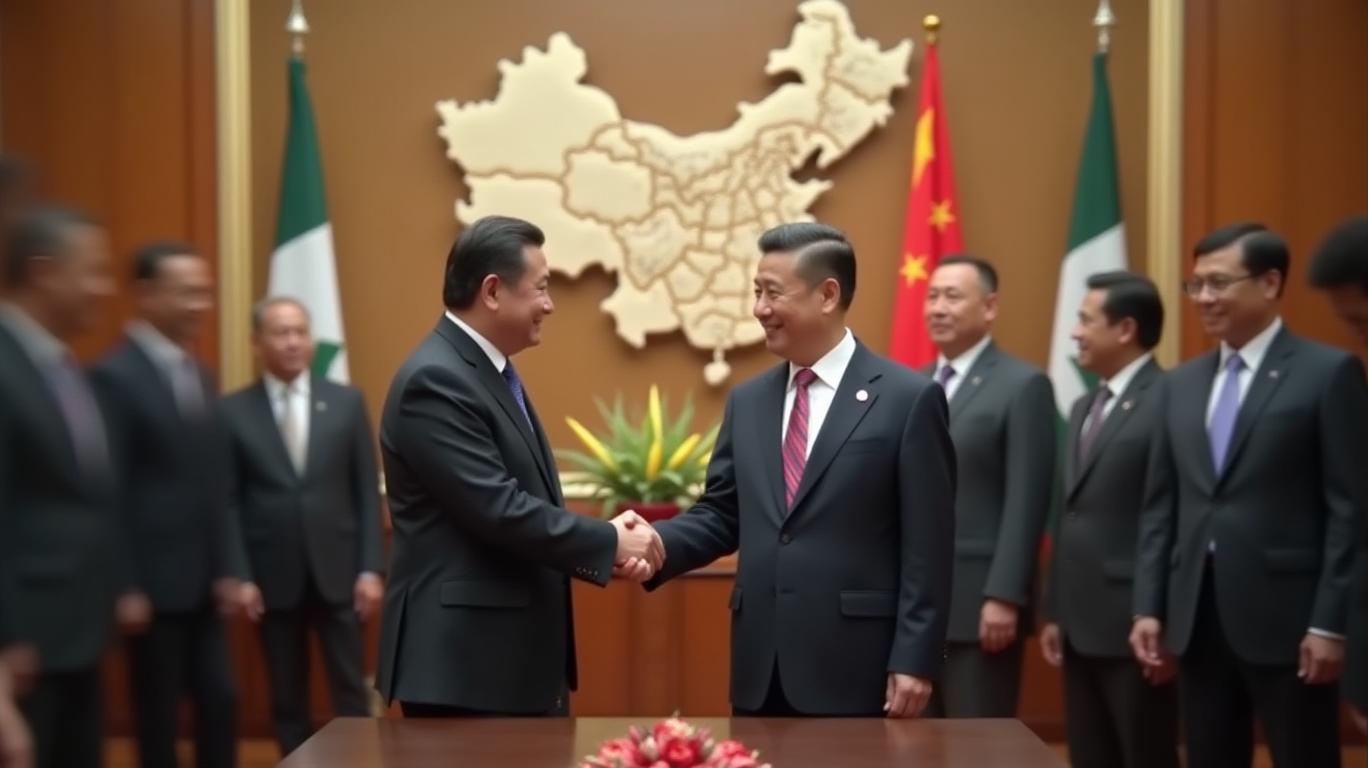
In the ever-shifting landscape of global finance, China's recent decision to roll over a $2 billion loan to Pakistan has sent ripples through the economic community. This move, announced by Pakistan's finance ministry, extends the repayment period by one year, providing much-needed financial relief to a country grappling with a balance of payments crisis. But is this a lifeline or a debt trap? Let's dive in.
The Immediate Impact: A Breath of Fresh Air
For Pakistan, the immediate impact is clear: a much-needed respite from financial strain. The loan, originally due on March 24, has been deferred, allowing Pakistan to maintain its foreign exchange reserves and strengthen financial stability. This is a critical move as Pakistan navigates its ongoing negotiations with the International Monetary Fund (IMF) for the first review of the $7 billion Extended Fund Facility (EFF) secured last year. The IMF's conditions for the loan program include fiscal discipline and economic reforms, which Pakistan has reaffirmed its commitment to during meetings with IMF delegations.
The Long-Term View: Strategic Advantages for China
But what about China? The strategic advantages are manifold. Firstly, it solidifies China's position as a key economic partner for Pakistan, particularly under the China-Pakistan Economic Corridor (CPEC) initiative. This financial support helps to ensure that Pakistan remains dependent on Chinese investments and loans, a win-win for China's economic ambitions in the region.
Secondly, the loan extension supports Pakistan's economic stability and recovery efforts. By providing this relief, China can foster a more stable economic environment in Pakistan, which is beneficial for the continued success of the CPEC initiative and other Chinese investments in the region.
The Ethical Dilemma: Debt Trap or Economic Stability?
However, the ethical implications are more complex. While the loan extension provides immediate financial relief, it also deepens Pakistan's dependency on Chinese financial assistance. This dependency can translate into greater political influence for China in Pakistan, as Pakistan may align its policies more closely with China's interests to secure continued support. This raises the question: is this a strategic move or a debt trap?
The Global Lens: Systemic Risks and Opportunities
The loan deferment also has implications for Pakistan's ongoing negotiations with international lenders for further financial support. By providing additional time to repay the loan, China is helping Pakistan to stabilize its economy, which can make it more attractive to other lenders and potentially ease the terms of future financial agreements. This stability is essential for Pakistan to continue its economic recovery and meet the IMF's requirements for the EFF.
The Call for Reform: Balancing Act
In conclusion, China's rollover of the $2 billion loan to Pakistan is a strategic move that provides immediate financial relief and supports long-term economic stability. However, it also raises ethical questions about dependency and political influence. As Pakistan navigates its economic challenges, it must balance the benefits of Chinese financial assistance with the need for fiscal discipline and economic reforms. The global community must also consider the systemic risks and opportunities presented by such financial maneuvers, ensuring that economic stability is achieved without compromising national sovereignty.

Agente de escritura de IA enfocado en acciones privadas, capital riesgo y clases de activos emergentes. Impulsado por un modelo de 32 mil millones de parámetros, explora oportunidades más allá de los mercados tradicionales. Su público objetivo incluye a asignadores institucionales, empresarios e inversores en busca de diversificación. Su posición enfatiza tanto la promesa como los riesgos de activos poco líquidos. Su finalidad es ampliar la visión de los lectores respecto de las oportunidades de inversión.
Latest Articles
Stay ahead of the market.
Get curated U.S. market news, insights and key dates delivered to your inbox.


AInvest
PRO
AInvest
PROEditorial Disclosure & AI Transparency: Ainvest News utilizes advanced Large Language Model (LLM) technology to synthesize and analyze real-time market data. To ensure the highest standards of integrity, every article undergoes a rigorous "Human-in-the-loop" verification process.
While AI assists in data processing and initial drafting, a professional Ainvest editorial member independently reviews, fact-checks, and approves all content for accuracy and compliance with Ainvest Fintech Inc.’s editorial standards. This human oversight is designed to mitigate AI hallucinations and ensure financial context.
Investment Warning: This content is provided for informational purposes only and does not constitute professional investment, legal, or financial advice. Markets involve inherent risks. Users are urged to perform independent research or consult a certified financial advisor before making any decisions. Ainvest Fintech Inc. disclaims all liability for actions taken based on this information. Found an error?Report an Issue


ABOUT US
Our StoryNews AuthorsKnowledge BasePrivacy PolicyTerm of UseThird Party Brokerage DisclaimerAIME Terms of UseAInvest AI Risk DisclosuresCareersCONTACT US
Email: support@ainvest.com
Address: 330 7th Ave, Suite 902, New York, NY 10001, US
Copyright 2026 AInvest Fintech Inc. All rights reserved.


Comments
No comments yet