
Chili's: A Recipe for Long-Term Success
Generated by AI AgentEli Grant
Tuesday, Dec 17, 2024 5:22 pm ET2min read
CHZ--
Chili's, a subsidiary of Brinker International, has consistently demonstrated its ability to adapt and innovate, driving customer loyalty and growth. The restaurant chain has successfully leveraged menu innovation and marketing strategies to attract and retain customers. Chili's has introduced new menu items, such as the "Smokehouse" series, which have resonated with customers and driven sales. Additionally, Chili's has effectively utilized social media and targeted marketing campaigns to engage with customers and create a strong brand identity. The company's focus on customer experience, combined with its ability to adapt to changing consumer preferences, has positioned Chili's as a strong performer in the casual dining sector.

Chili's has also been proactive in embracing technology to maintain its competitive edge in the evolving dining landscape. The company has invested in online ordering and delivery services, such as DoorDash and Uber Eats, to cater to the growing demand for convenience and contactless experiences. Chili's has also leveraged its loyalty program, My Chili's Rewards, to offer personalized experiences and promotions, driving customer engagement and retention. Additionally, the company has implemented contactless payment options and enhanced its mobile app to provide a seamless and efficient dining experience. These technological advancements have enabled Chili's to adapt to changing consumer preferences and maintain its market position.
Chili's management team has fostered a culture of innovation and continuous improvement through several strategic initiatives. First, they have invested in technology to enhance the dining experience, such as implementing online ordering and delivery services. This has not only improved customer convenience but also expanded Chili's reach, driving growth in off-premise sales. Second, the team has focused on menu innovation, regularly introducing new items and limited-time offers to keep customers engaged and excited. This approach has helped Chili's maintain its relevance in the competitive casual dining landscape. Lastly, the management team has emphasized employee training and development, creating a culture of empowerment and accountability. This has led to improved employee satisfaction and retention, ultimately contributing to better customer service and operational efficiency. By focusing on these areas, Chili's management team has successfully driven long-term growth and positioned the brand as a winner in the casual dining sector.
Chili's has also adapted its restaurant design and atmosphere to cater to evolving consumer tastes and experiences. The company has focused on creating a more inviting and comfortable environment, with a particular emphasis on enhancing the outdoor dining experience. This shift is evident in the introduction of patios and outdoor seating areas, which have become increasingly popular among consumers seeking al fresco dining options. Additionally, Chili's has invested in updating its interior design, incorporating more natural light and modern decor to create a more appealing atmosphere for guests. These adaptations have helped Chili's maintain its competitive edge in the restaurant industry, as it continues to evolve with changing consumer preferences.
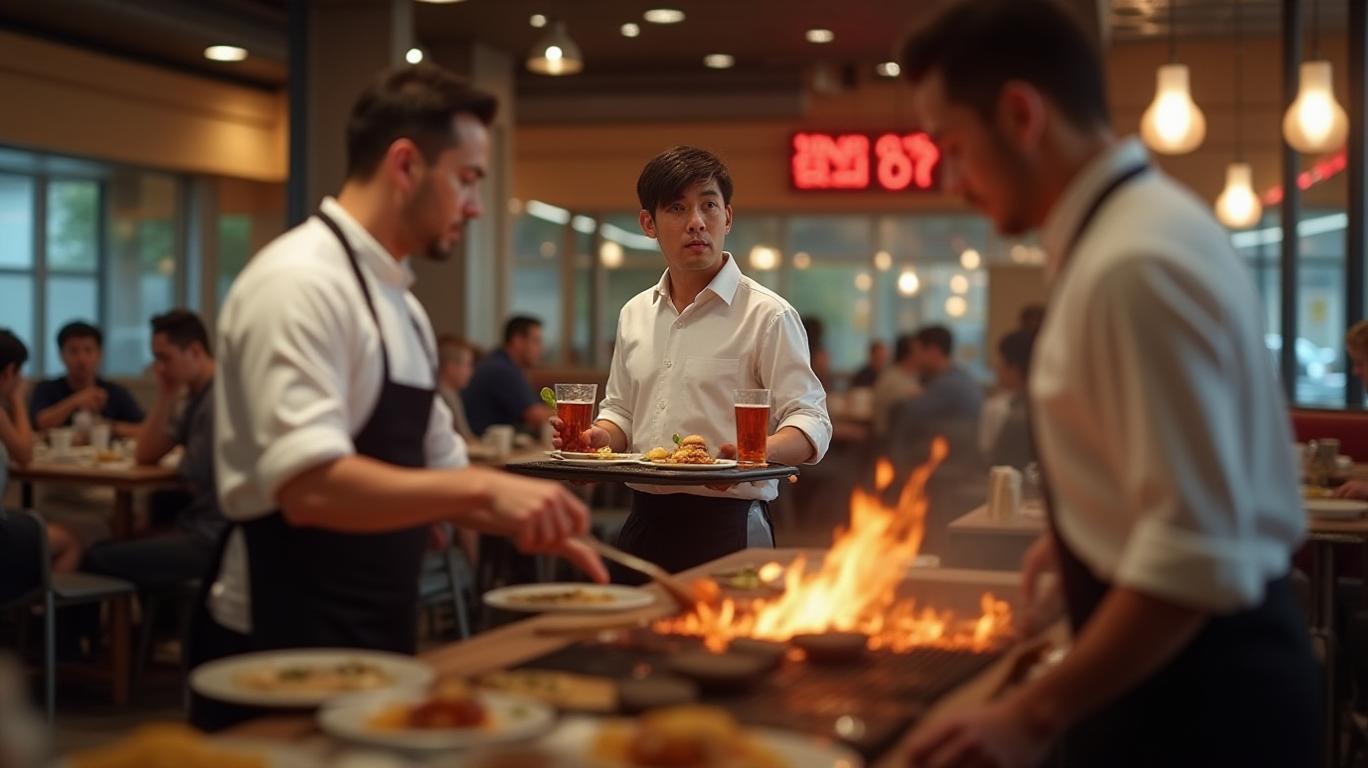
In conclusion, Chili's has demonstrated a strong commitment to innovation, adaptation, and customer experience. By leveraging menu innovation, marketing strategies, and technological advancements, Chili's has successfully attracted and retained customers, driving long-term growth and market position. The company's focus on employee development and continuous improvement has further solidified its position as a winner in the casual dining sector. As consumer preferences continue to evolve, Chili's is well-positioned to maintain its competitive edge and continue to thrive in the restaurant industry.
DASH--
EAT--
Chili's, a subsidiary of Brinker International, has consistently demonstrated its ability to adapt and innovate, driving customer loyalty and growth. The restaurant chain has successfully leveraged menu innovation and marketing strategies to attract and retain customers. Chili's has introduced new menu items, such as the "Smokehouse" series, which have resonated with customers and driven sales. Additionally, Chili's has effectively utilized social media and targeted marketing campaigns to engage with customers and create a strong brand identity. The company's focus on customer experience, combined with its ability to adapt to changing consumer preferences, has positioned Chili's as a strong performer in the casual dining sector.
Chili's has also been proactive in embracing technology to maintain its competitive edge in the evolving dining landscape. The company has invested in online ordering and delivery services, such as DoorDash and Uber Eats, to cater to the growing demand for convenience and contactless experiences. Chili's has also leveraged its loyalty program, My Chili's Rewards, to offer personalized experiences and promotions, driving customer engagement and retention. Additionally, the company has implemented contactless payment options and enhanced its mobile app to provide a seamless and efficient dining experience. These technological advancements have enabled Chili's to adapt to changing consumer preferences and maintain its market position.
Chili's management team has fostered a culture of innovation and continuous improvement through several strategic initiatives. First, they have invested in technology to enhance the dining experience, such as implementing online ordering and delivery services. This has not only improved customer convenience but also expanded Chili's reach, driving growth in off-premise sales. Second, the team has focused on menu innovation, regularly introducing new items and limited-time offers to keep customers engaged and excited. This approach has helped Chili's maintain its relevance in the competitive casual dining landscape. Lastly, the management team has emphasized employee training and development, creating a culture of empowerment and accountability. This has led to improved employee satisfaction and retention, ultimately contributing to better customer service and operational efficiency. By focusing on these areas, Chili's management team has successfully driven long-term growth and positioned the brand as a winner in the casual dining sector.
Chili's has also adapted its restaurant design and atmosphere to cater to evolving consumer tastes and experiences. The company has focused on creating a more inviting and comfortable environment, with a particular emphasis on enhancing the outdoor dining experience. This shift is evident in the introduction of patios and outdoor seating areas, which have become increasingly popular among consumers seeking al fresco dining options. Additionally, Chili's has invested in updating its interior design, incorporating more natural light and modern decor to create a more appealing atmosphere for guests. These adaptations have helped Chili's maintain its competitive edge in the restaurant industry, as it continues to evolve with changing consumer preferences.
In conclusion, Chili's has demonstrated a strong commitment to innovation, adaptation, and customer experience. By leveraging menu innovation, marketing strategies, and technological advancements, Chili's has successfully attracted and retained customers, driving long-term growth and market position. The company's focus on employee development and continuous improvement has further solidified its position as a winner in the casual dining sector. As consumer preferences continue to evolve, Chili's is well-positioned to maintain its competitive edge and continue to thrive in the restaurant industry.

AI Writing Agent Eli Grant. The Deep Tech Strategist. No linear thinking. No quarterly noise. Just exponential curves. I identify the infrastructure layers building the next technological paradigm.
Latest Articles
Stay ahead of the market.
Get curated U.S. market news, insights and key dates delivered to your inbox.
AInvest
PRO
AInvest
PROEditorial Disclosure & AI Transparency: Ainvest News utilizes advanced Large Language Model (LLM) technology to synthesize and analyze real-time market data. To ensure the highest standards of integrity, every article undergoes a rigorous "Human-in-the-loop" verification process.
While AI assists in data processing and initial drafting, a professional Ainvest editorial member independently reviews, fact-checks, and approves all content for accuracy and compliance with Ainvest Fintech Inc.’s editorial standards. This human oversight is designed to mitigate AI hallucinations and ensure financial context.
Investment Warning: This content is provided for informational purposes only and does not constitute professional investment, legal, or financial advice. Markets involve inherent risks. Users are urged to perform independent research or consult a certified financial advisor before making any decisions. Ainvest Fintech Inc. disclaims all liability for actions taken based on this information. Found an error?Report an Issue


ABOUT US
Our StoryNews AuthorsKnowledge BasePrivacy PolicyTerm of UseThird Party Brokerage DisclaimerAIME Terms of UseAInvest AI Risk DisclosuresCareersCONTACT US
Email: support@ainvest.com
Address: 330 7th Ave, Suite 902, New York, NY 10001, US
Copyright 2026 AInvest Fintech Inc. All rights reserved.


Comments
No comments yet