
Chief Justice Roberts Warns of Violence Risks from Political Rhetoric
Chief Justice John Roberts, addressing a gathering of lawyers and judges in Charlotte, North Carolina, issued a stark warning about the dangers of heated political rhetoric directed at judges. He emphasized that such language can lead to threats or acts of violence against those performing their judicial duties. Roberts' remarks come at a time when political discourse has become increasingly polarized, with elected officials often using inflammatory language to criticize judicial decisions.
Roberts, without naming specific individuals, referenced both Republican President Donald Trump and Senate Democratic leader Chuck Schumer. He mentioned that he has had to publicly rebuke figures from both parties in recent years for their comments about judges. Roberts highlighted the potential for such rhetoric to escalate into serious threats or acts of violence, noting that judges have faced such dangers simply for doing their jobs.
Roberts' warning is particularly timely given recent events. In 2018, he responded to Trump's description of a judge who rejected his migrant asylum policy as an “Obama judge.” In March, Roberts rejected calls for impeaching judges, shortly after Trump demanded the removal of one who ruled against his deportation plans. In 2020, Roberts called out Schumer for remarks that he termed inappropriate and threatening after the senator said Trump-nominated Justices Brett Kavanaugh and Neil Gorsuch “will pay the price” for votes in a then-pending Louisiana abortion case. Schumer later apologized for his choice of words.
Two years later, with the court on the verge of overturning Roe v. Wade’s constitutional protections for abortion, police arrested an armed man outside Kavanaugh’s home in suburban Washington. In April, Nicholas John Roske was charged with attempting to kill Kavanaugh. This incident underscores the very real dangers that judges face when political rhetoric turns hostile.
Roberts' comments underscore the delicate balance between freedom of speech and the need to maintain the integrity of the judicial system. Elected officials, with their significant influence on public opinion, must recognize the potential consequences of their words. When they use their platforms to attack judges, it can erode public trust in the judiciary and create an environment where violence against judges becomes more likely. Roberts' warning serves as a reminder that while criticism of the judiciary is a part of democratic discourse, it must be conducted in a manner that respects the rule of law and the independence of the judiciary.
The Chief Justice's remarks also highlight the broader issue of political rhetoric and its impact on society. In recent years, there has been a noticeable increase in divisive language used by politicians, which has contributed to a climate of hostility and mistrust. This trend is particularly concerning when it comes to the judiciary, as judges play a crucial role in upholding the Constitution and ensuring that the rule of law is applied fairly and impartially. Any attempt to undermine their authority or intimidate them can have serious consequences for the functioning of the legal system.
Roberts' warning is a call to action for elected officials to exercise restraint in their public statements about judges. It is essential that they recognize the potential consequences of their words and act responsibly to maintain the integrity of the judicial system. By doing so, they can help to foster a more respectful and constructive political discourse, one that values the rule of law and the independence of the judiciary. This is crucial for the health of the democratic process and the protection of judicial independence. 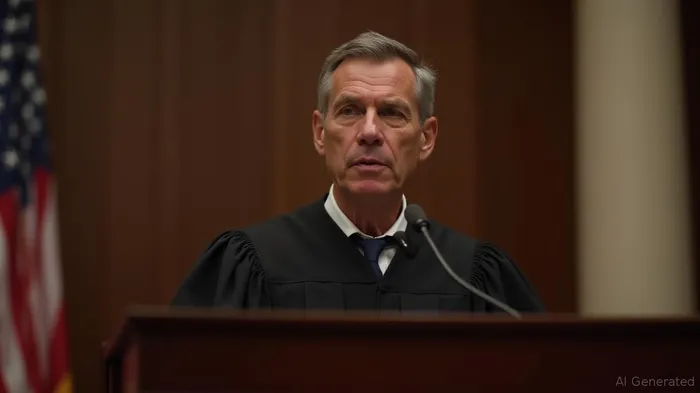

Stay ahead of the market.
Get curated U.S. market news, insights and key dates delivered to your inbox.






Comments
No comments yet