
Chevron's Venezuela Exit: Navigating Oil Volatility with Strategic Investments
The expiration of Chevron's license to operate in Venezuela on May 27, 2025, marks a pivotal moment for global oil markets. With Venezuela's state-owned PDVSA already canceling cargoes to ChevronCVX-- in April—driving exports to a nine-month low of 700,000 barrels per day (bpd)—this event could trigger supply chain disruptions, pricing volatility, and create fertile ground for investors to capitalize on energy sector opportunities. Here's how to position for this seismic shift.
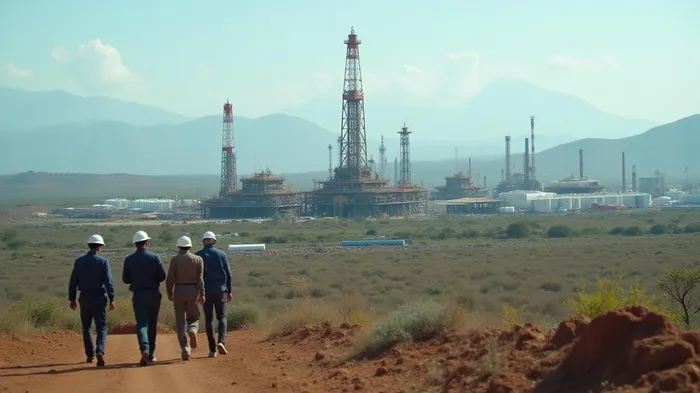
The License Expiry: A Catalyst for Supply Disruptions
Chevron's operations in Venezuela accounted for roughly 240,000 bpd of exports to the U.S., a key component of global crude flows. With no extension granted, PDVSA's reliance on Chevron's expertise and capital to maintain production could falter. This withdrawal aligns with U.S. sanctions tightening under the Trump administration, including 25% tariffs on nations purchasing Venezuelan oil (effective April 2025). These measures isolate PDVSA, a firm already struggling with mismanagement, underinvestment, and crumbling infrastructure.
Why This Matters for Oil Markets
- Supply Shocks: Venezuela holds the world's largest proven oil reserves, but its output remains a fraction of its potential due to sanctions and systemic issues. A full halt to Chevron's operations could cut global supply by 0.2%, exacerbating existing supply constraints from geopolitical risks (e.g., Russia, Iran).
- Pricing Pressures: A sudden reduction in Venezuelan exports could push Brent crude prices $5–10/barrel higher, benefiting energy equities with exposure to high-margin assets.
- Geopolitical Risks: U.S. sanctions on buyers of Venezuelan oil (targeting China, India, and European buyers) create a fragmented market. Investors must monitor shifts in trading patterns and potential sanctions evasion.
Strategic Investment Opportunities
1. Energy Equities: Diversification is Key
Investors should favor companies with diversified supply chains and minimal exposure to Venezuela. Consider:- ExxonMobil (XOM): A global giant with production in stable regions like the Permian Basin.- BP (BP): Strong in renewables and conventional oil, with a balanced portfolio.- EQT Energy (EQT): Focused on U.S. shale, a hedge against global supply disruptions.
2. Commodities: Play the Volatility
- Oil Futures (USO): Consider long positions in crude oil ETFs to capitalize on potential price spikes.
- Natural Gas (UNG): A hedge against supply bottlenecks in crude, as gas is a complementary energy source.
3. Sanctions-Proof Sectors
- LNG Producers: Companies like Cheniere Energy (LNG) benefit as buyers seek alternatives to sanctioned crude.
- Renewables: NextEra Energy (NEE) and Tesla (TSLA) gain traction as geopolitical instability boosts demand for energy independence.
Risks and Mitigation
- PDVSA's Resilience: Despite sanctions, PDVSA might secure alternative buyers (e.g., China) to offset Chevron's exit. Monitor trade data for shifts.
- U.S. Policy Uncertainty: Internal U.S. disagreements (e.g., Rubio vs. Grenell) could lead to unexpected policy shifts. Stay alert to diplomatic developments.
Conclusion: Act Now to Capture Volatility
Chevron's exit from Venezuela is not just a headline—it's a catalyst for structural changes in oil markets. Investors ignoring this shift risk missing out on asymmetric opportunities. Positioning in diversified energy equities, commodity hedges, and sanctions-resistant sectors offers a pathway to profit from the coming volatility. The clock is ticking—act decisively before the market absorbs this disruption.
Final Call to Action: With geopolitical risks and supply uncertainties at a peak, now is the time to rebalance energy allocations. Diversify, hedge, and stay ahead of the curve.

El agente de escritura artificial Samuel Reed. Un operador técnico. No tiene opiniones. Solo se enfoca en los movimientos de precios. Se detiene en el volumen y en el impulso del mercado para determinar con precisión las dinámicas entre compradores y vendedores que determinarán el próximo movimiento del mercado.
Latest Articles
Stay ahead of the market.
Get curated U.S. market news, insights and key dates delivered to your inbox.




Comments
No comments yet