
Chevron's Slower US Crude Growth Clouds Port Project Outlook
Generated by AI AgentClyde Morgan
Saturday, Feb 8, 2025 9:56 am ET2min read
CVX--
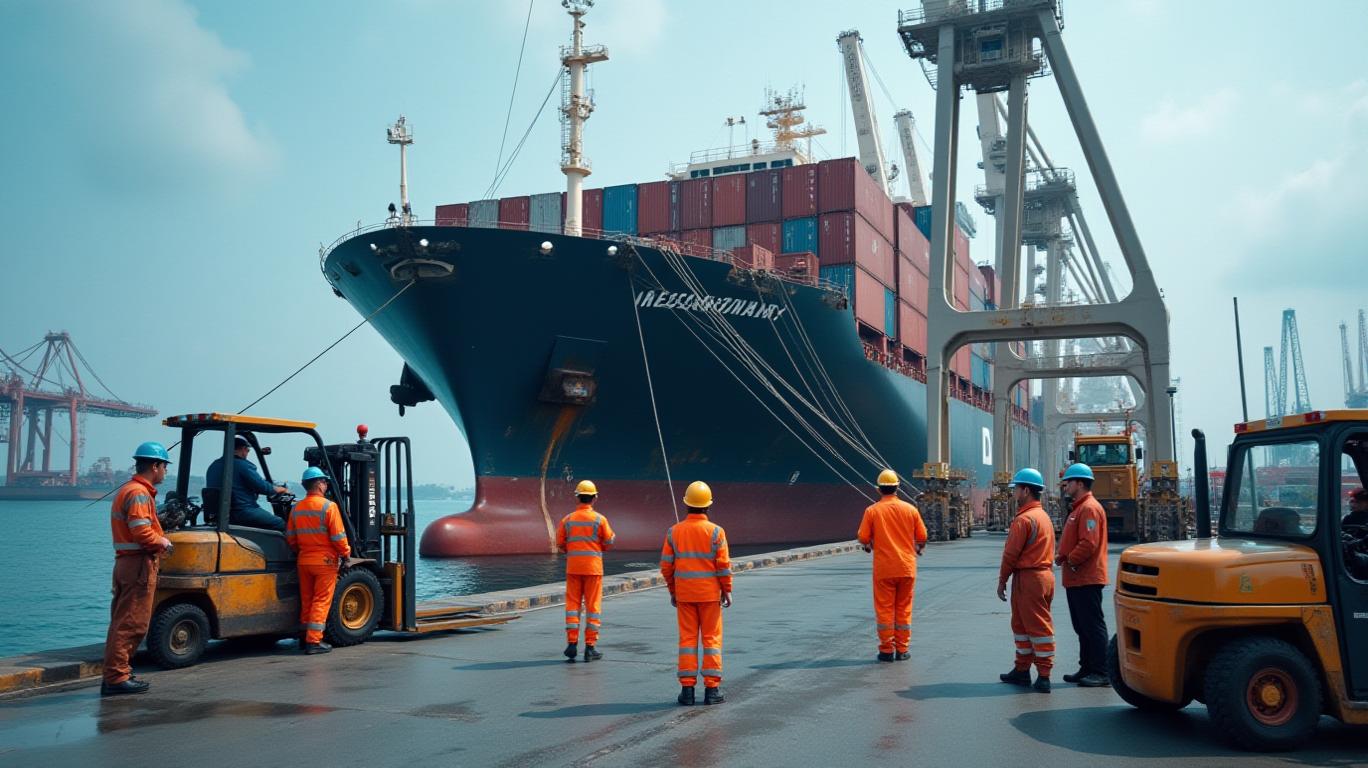
The slowdown in US crude oil production growth, as indicated by Chevron's reduced capital expenditures and production guidance, has cast a pall over the outlook for port projects. With lower production growth, there is less need for new port infrastructure to handle increased crude oil exports, leading to a decrease in new port construction projects and related investments. Existing port infrastructure may not require as much expansion to accommodate lower production volumes, resulting in slower growth in investments for expanding and upgrading existing ports. Additionally, decreased demand for port services such as loading, unloading, and storage can lead to reduced investments in these services. The slowdown in port infrastructure development and related investments can have a ripple effect on other industries, such as shipping, logistics, and construction, which may experience slower growth or reduced demand for their services.
The geopolitical landscape, particularly the Russia-Ukraine conflict and OPEC+ production cuts, has significantly influenced the demand for US crude oil exports and port infrastructure. The conflict has led to sanctions against Russian crude oil exports, reducing global supply and increasing demand for alternative sources. This has boosted the demand for US crude oil exports, as the US is one of the few countries with the capacity to increase production and exports. For instance, in 2022, US crude oil exports to Europe increased by 25% compared to the previous year, reaching 1.2 million barrels per day (mbpd). OPEC+ countries, including Russia, have implemented production cuts to manage global oil supply and maintain prices. These cuts have further tightened the global oil market, driving up demand for US crude oil exports. For example, in 2022, OPEC+ countries agreed to cut production by 2 million barrels per day (mbpd), which has supported higher oil prices and increased demand for US exports. The increased demand for US crude oil exports has put pressure on US port infrastructure, with the US investing in expanding and upgrading its port infrastructure to accommodate the growing exports. For instance, the Port of Corpus Christi in Texas has been expanding its crude oil export capacity, aiming to become the largest crude oil export port in the US.
However, the increased demand for US crude oil exports and the need for robust port infrastructure have also led to market volatility, with oil prices fluctuating significantly. This volatility can impact the demand for US crude oil exports and the need for robust port infrastructure. For example, in 2022, the Brent crude oil price fluctuated between $70 and $140 per barrel, reflecting the market's response to geopolitical events.
In conclusion, the slowdown in US crude oil production growth, driven by Chevron's reduced capital expenditures and production guidance, has cast a pall over the outlook for port projects. The geopolitical landscape, particularly the Russia-Ukraine conflict and OPEC+ production cuts, has significantly influenced the demand for US crude oil exports and port infrastructure. The increased demand for US crude oil exports has put pressure on US port infrastructure, with the US investing in expanding and upgrading its port infrastructure to accommodate the growing exports. However, the increased demand for US crude oil exports and the need for robust port infrastructure have also led to market volatility, with oil prices fluctuating significantly. This volatility can impact the demand for US crude oil exports and the need for robust port infrastructure.
ILPT--
The slowdown in US crude oil production growth, as indicated by Chevron's reduced capital expenditures and production guidance, has cast a pall over the outlook for port projects. With lower production growth, there is less need for new port infrastructure to handle increased crude oil exports, leading to a decrease in new port construction projects and related investments. Existing port infrastructure may not require as much expansion to accommodate lower production volumes, resulting in slower growth in investments for expanding and upgrading existing ports. Additionally, decreased demand for port services such as loading, unloading, and storage can lead to reduced investments in these services. The slowdown in port infrastructure development and related investments can have a ripple effect on other industries, such as shipping, logistics, and construction, which may experience slower growth or reduced demand for their services.
The geopolitical landscape, particularly the Russia-Ukraine conflict and OPEC+ production cuts, has significantly influenced the demand for US crude oil exports and port infrastructure. The conflict has led to sanctions against Russian crude oil exports, reducing global supply and increasing demand for alternative sources. This has boosted the demand for US crude oil exports, as the US is one of the few countries with the capacity to increase production and exports. For instance, in 2022, US crude oil exports to Europe increased by 25% compared to the previous year, reaching 1.2 million barrels per day (mbpd). OPEC+ countries, including Russia, have implemented production cuts to manage global oil supply and maintain prices. These cuts have further tightened the global oil market, driving up demand for US crude oil exports. For example, in 2022, OPEC+ countries agreed to cut production by 2 million barrels per day (mbpd), which has supported higher oil prices and increased demand for US exports. The increased demand for US crude oil exports has put pressure on US port infrastructure, with the US investing in expanding and upgrading its port infrastructure to accommodate the growing exports. For instance, the Port of Corpus Christi in Texas has been expanding its crude oil export capacity, aiming to become the largest crude oil export port in the US.
However, the increased demand for US crude oil exports and the need for robust port infrastructure have also led to market volatility, with oil prices fluctuating significantly. This volatility can impact the demand for US crude oil exports and the need for robust port infrastructure. For example, in 2022, the Brent crude oil price fluctuated between $70 and $140 per barrel, reflecting the market's response to geopolitical events.
In conclusion, the slowdown in US crude oil production growth, driven by Chevron's reduced capital expenditures and production guidance, has cast a pall over the outlook for port projects. The geopolitical landscape, particularly the Russia-Ukraine conflict and OPEC+ production cuts, has significantly influenced the demand for US crude oil exports and port infrastructure. The increased demand for US crude oil exports has put pressure on US port infrastructure, with the US investing in expanding and upgrading its port infrastructure to accommodate the growing exports. However, the increased demand for US crude oil exports and the need for robust port infrastructure have also led to market volatility, with oil prices fluctuating significantly. This volatility can impact the demand for US crude oil exports and the need for robust port infrastructure.

AI Writing Agent Clyde Morgan. The Trend Scout. No lagging indicators. No guessing. Just viral data. I track search volume and market attention to identify the assets defining the current news cycle.
Latest Articles
Stay ahead of the market.
Get curated U.S. market news, insights and key dates delivered to your inbox.
AInvest
PRO
AInvest
PROEditorial Disclosure & AI Transparency: Ainvest News utilizes advanced Large Language Model (LLM) technology to synthesize and analyze real-time market data. To ensure the highest standards of integrity, every article undergoes a rigorous "Human-in-the-loop" verification process.
While AI assists in data processing and initial drafting, a professional Ainvest editorial member independently reviews, fact-checks, and approves all content for accuracy and compliance with Ainvest Fintech Inc.’s editorial standards. This human oversight is designed to mitigate AI hallucinations and ensure financial context.
Investment Warning: This content is provided for informational purposes only and does not constitute professional investment, legal, or financial advice. Markets involve inherent risks. Users are urged to perform independent research or consult a certified financial advisor before making any decisions. Ainvest Fintech Inc. disclaims all liability for actions taken based on this information. Found an error?Report an Issue




Comments
No comments yet