
Chevron Seeks to Take Over Iraq's West Qurna 2 Oilfield Amid Lukoil Exit
 Aime Summary
Chevron has entered exclusive negotiations with Iraq to potentially acquire the West Qurna 2 oilfield, a major asset previously operated by sanctioned Russian firm Lukoil.
- Iraq has temporarily transferred the field’s operations to state-owned Basra Oil Company (BOC) after an amicable settlement with Lukoil, which must sell its assets due to U.S. sanctions.
, making it a strategic asset for any international oil company.
- The deal with ChevronCVX--, if approved, would represent a key expansion of the U.S. oil major’s footprint in Iraq and align with its broader Middle East and global growth strategy.
- The transaction requires approvals from Iraq’s Council of Ministers and U.S. regulatory bodies, including the , before it can proceed.
Chevron’s push to secure Iraq’s West Qurna 2 oilfield marks a pivotal moment for both the company and the global energy sector. The West Qurna 2 project, long managed by Lukoil, has become a key target for U.S. and Iraqi interests as sanctions force the Russian company to exit its international assets. With Lukoil having until February 28 to finalize its departure under U.S. sanctions, Iraq and Chevron are moving quickly to establish a new operator. The oilfield, , could be a significant boost for Chevron’s Middle East operations. This development is part of a broader trend where major oil companies are seeking growth in high-potential international markets. Chevron, which already operates in several key projects in Iraq, is looking to expand its presence following its 2025 acquisition of Hess. However, the deal faces regulatory hurdles and must balance Iraq’s national interests with Chevron’s commercial goals.
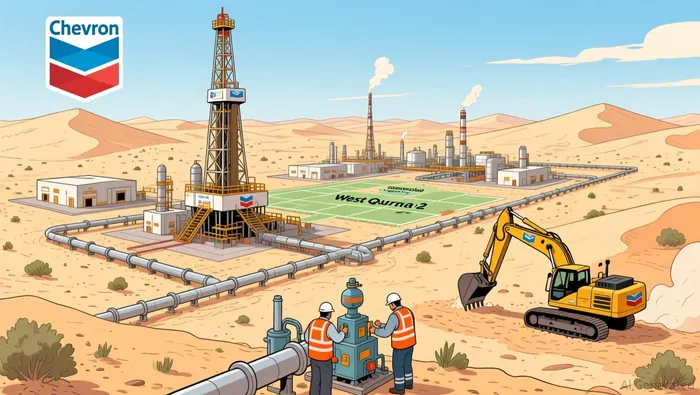
What Does Chevron's Pursuit of West Qurna 2 Mean for Iraq's Energy Strategy?
Iraq has long sought to stabilize its oil industry and reduce its reliance on foreign operators, particularly in the wake of geopolitical tensions with Russia and the West. The country recently nationalized the West Qurna 2 field after reaching an amicable settlement with Lukoil, which was operating under U.S. sanctions. The transition of the field to the state-owned Basra Oil Company marks a key step in Iraq’s energy strategy to regain control of its resources. With Chevron now entering exclusive negotiations, Iraq appears to be positioning itself to partner with a reliable international oil company that can help maintain production and bring in new investment. This move is also aligned with Iraq’s broader economic goals to boost oil output and attract foreign capital to support its energy infrastructure. However, the country must also ensure that the terms of the new agreement are favorable and provide long-term benefits to its economy.
Why Is Chevron Interested in Iraq’s West Qurna 2 Oilfield?
Chevron’s interest in West Qurna 2 reflects the company’s global strategy to expand its presence in key oil-producing regions. The field is one of the largest in the world and offers a significant production boost for Chevron, which has been investing in Middle Eastern projects as part of its broader international expansion. The move also aligns with the company’s recent acquisition of Hess Corp., which has helped Chevron strengthen its upstream portfolio. By securing a stake in West Qurna 2, Chevron could gain access to a high-yield asset that supports its long-term production growth. Additionally, the company has experience operating in politically complex regions, including Venezuela and Israel, which could help mitigate some of the geopolitical risks associated with operating in Iraq. Still, the deal must be structured carefully to ensure that Chevron can meet its financial objectives while complying with U.S. regulatory requirements.
What Are the Regulatory and Strategic Challenges Ahead?
While Chevron’s exclusive negotiation rights represent a major step forward, the deal is far from finalized. The company must navigate a complex regulatory landscape, including obtaining approvals from the Iraqi government and the U.S. Office of Foreign Assets Control (OFAC). The U.S. has imposed strict sanctions on Lukoil, which complicates any transfer of assets or operations. Additionally, the terms of the agreement must be structured in a way that is economically attractive to Chevron while also meeting Iraq’s strategic and financial goals. The company has already engaged in preliminary data-sharing and negotiations, but the final contract will likely take months to finalize. Investors should watch closely for developments regarding regulatory approvals and the final terms of the agreement, as these will determine the success of Chevron’s bid to take over the field. If the deal goes through, it could set a precedent for other international oil companies seeking to expand into Iraq and other emerging markets in the region.

Stay ahead of the market.
Get curated U.S. market news, insights and key dates delivered to your inbox.


AInvest
PRO
AInvest
PRO



Comments
No comments yet