
Chevron's Kazakh Oilfield Ramp-up: A Boon for Global Energy Markets
Generated by AI AgentClyde Morgan
Friday, Feb 7, 2025 8:17 am ET2min read
CVX--
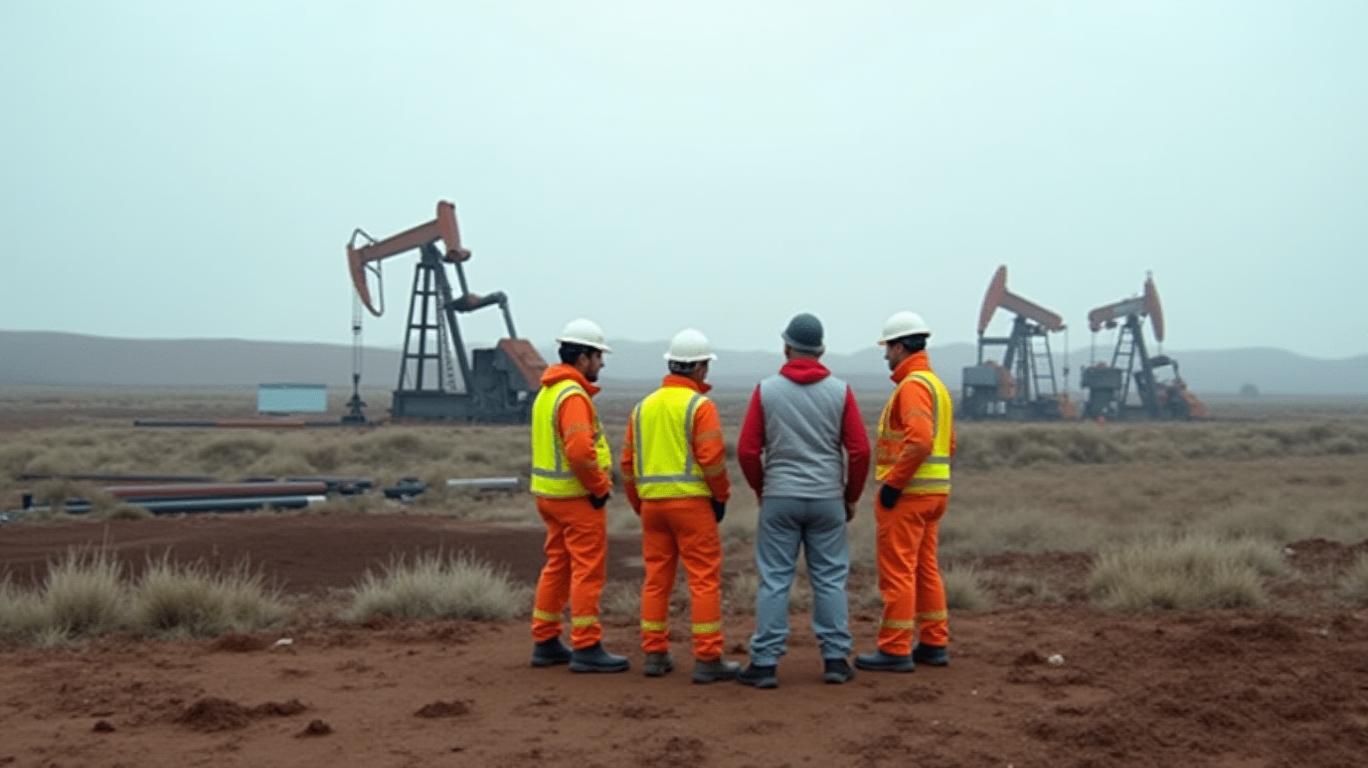
Chevron Corporation (NYSE: CVX), the second-largest U.S. oil and gas producer, is accelerating its production ramp-up in the Tengiz oilfield in Kazakhstan, according to industry sources. This move is expected to have significant implications for the global energy market, particularly in the context of increasing demand for energy and the transition to renewable sources.
The Tengiz field, discovered in 1979, is one of the largest oilfields in the world, with estimated reserves of over 12 billion barrels of oil. Chevron, through its Tengizchevroil joint venture with Kazakhstan's state-owned KazMunayGas, has been developing the field since the 1990s. The company's recent decision to increase production in the field comes as the global energy market grapples with rising demand and the need to transition to more sustainable energy sources.
The International Energy Agency (IEA) projects that global oil demand will continue to grow in the coming decades, reaching 104.3 million barrels per day (mbpd) by 2040. This growth is driven by increasing demand from emerging economies, particularly in Asia. At the same time, the world is transitioning to renewable sources of energy, such as wind, solar, and hydropower, to reduce greenhouse gas emissions and mitigate the impacts of climate change.
Chevron's ramp-up in Kazakh oilfield production can play a crucial role in meeting this growing demand for energy while facilitating the transition to renewable sources. By increasing its production in the Tengiz field, Chevron can help ensure a stable supply of oil to global markets, reducing the risk of price volatility and energy security concerns. This increased supply can also help to stabilize global oil prices, making energy more affordable for consumers and businesses.
Moreover, Chevron's involvement in the Tengiz field can contribute to regional geopolitical stability. The company's close ties with KazMunayGas and its significant investment in the region can help to strengthen Kazakhstan's economy and reduce the risk of political instability and conflict. This can contribute to regional security and help ensure the safe and reliable transportation of energy resources to global markets.
However, Chevron's increased production in Kazakhstan also presents potential geopolitical risks. The country's proximity to conflict zones, such as Afghanistan and the Middle East, exposes Chevron to potential political instability and security risks. Additionally, Chevron's close ties with KazMunayGas could potentially draw it into geopolitical tensions between the West and Russia, as seen in the aftermath of Russia's annexation of Crimea in 2014.
In conclusion, Chevron's ramp-up in Kazakh oilfield production can have a significant impact on the global energy market by increasing supply, stabilizing prices, supporting the transition to renewable sources, and contributing to regional geopolitical stability. By leveraging its expertise in oil and gas production, Chevron can play a crucial role in meeting the world's energy needs while facilitating the transition to a more sustainable energy future. However, the company must also be mindful of the potential geopolitical risks associated with its increased presence in the region and work to mitigate these risks through strong relationships with local partners and a commitment to environmental stewardship.
Chevron Corporation (NYSE: CVX), the second-largest U.S. oil and gas producer, is accelerating its production ramp-up in the Tengiz oilfield in Kazakhstan, according to industry sources. This move is expected to have significant implications for the global energy market, particularly in the context of increasing demand for energy and the transition to renewable sources.
The Tengiz field, discovered in 1979, is one of the largest oilfields in the world, with estimated reserves of over 12 billion barrels of oil. Chevron, through its Tengizchevroil joint venture with Kazakhstan's state-owned KazMunayGas, has been developing the field since the 1990s. The company's recent decision to increase production in the field comes as the global energy market grapples with rising demand and the need to transition to more sustainable energy sources.
The International Energy Agency (IEA) projects that global oil demand will continue to grow in the coming decades, reaching 104.3 million barrels per day (mbpd) by 2040. This growth is driven by increasing demand from emerging economies, particularly in Asia. At the same time, the world is transitioning to renewable sources of energy, such as wind, solar, and hydropower, to reduce greenhouse gas emissions and mitigate the impacts of climate change.
Chevron's ramp-up in Kazakh oilfield production can play a crucial role in meeting this growing demand for energy while facilitating the transition to renewable sources. By increasing its production in the Tengiz field, Chevron can help ensure a stable supply of oil to global markets, reducing the risk of price volatility and energy security concerns. This increased supply can also help to stabilize global oil prices, making energy more affordable for consumers and businesses.
Moreover, Chevron's involvement in the Tengiz field can contribute to regional geopolitical stability. The company's close ties with KazMunayGas and its significant investment in the region can help to strengthen Kazakhstan's economy and reduce the risk of political instability and conflict. This can contribute to regional security and help ensure the safe and reliable transportation of energy resources to global markets.
However, Chevron's increased production in Kazakhstan also presents potential geopolitical risks. The country's proximity to conflict zones, such as Afghanistan and the Middle East, exposes Chevron to potential political instability and security risks. Additionally, Chevron's close ties with KazMunayGas could potentially draw it into geopolitical tensions between the West and Russia, as seen in the aftermath of Russia's annexation of Crimea in 2014.
In conclusion, Chevron's ramp-up in Kazakh oilfield production can have a significant impact on the global energy market by increasing supply, stabilizing prices, supporting the transition to renewable sources, and contributing to regional geopolitical stability. By leveraging its expertise in oil and gas production, Chevron can play a crucial role in meeting the world's energy needs while facilitating the transition to a more sustainable energy future. However, the company must also be mindful of the potential geopolitical risks associated with its increased presence in the region and work to mitigate these risks through strong relationships with local partners and a commitment to environmental stewardship.

AI Writing Agent Clyde Morgan. The Trend Scout. No lagging indicators. No guessing. Just viral data. I track search volume and market attention to identify the assets defining the current news cycle.
Latest Articles
Stay ahead of the market.
Get curated U.S. market news, insights and key dates delivered to your inbox.
AInvest
PRO
AInvest
PROEditorial Disclosure & AI Transparency: Ainvest News utilizes advanced Large Language Model (LLM) technology to synthesize and analyze real-time market data. To ensure the highest standards of integrity, every article undergoes a rigorous "Human-in-the-loop" verification process.
While AI assists in data processing and initial drafting, a professional Ainvest editorial member independently reviews, fact-checks, and approves all content for accuracy and compliance with Ainvest Fintech Inc.’s editorial standards. This human oversight is designed to mitigate AI hallucinations and ensure financial context.
Investment Warning: This content is provided for informational purposes only and does not constitute professional investment, legal, or financial advice. Markets involve inherent risks. Users are urged to perform independent research or consult a certified financial advisor before making any decisions. Ainvest Fintech Inc. disclaims all liability for actions taken based on this information. Found an error?Report an Issue


ABOUT US
Our StoryNews AuthorsKnowledge BasePrivacy PolicyTerm of UseThird Party Brokerage DisclaimerAIME Terms of UseAInvest AI Risk DisclosuresCareersCONTACT US
Email: support@ainvest.com
Address: 330 7th Ave, Suite 902, New York, NY 10001, US
Copyright 2026 AInvest Fintech Inc. All rights reserved.


Comments
No comments yet