
Chernobyl's Renewed Geopolitical and Environmental Risks: Implications for Global Energy Security and Nuclear Infrastructure Insurance Markets


 Aime Summary
The Geopolitical and Environmental Risks
The attack on Chernobyl is not an isolated event but part of a broader pattern of escalating threats to nuclear infrastructure in Ukraine. The IAEA has repeatedly condemned such actions, emphasizing that military activity near nuclear sites poses "unacceptable risks" of a catastrophic release of radiation according to the IAEA. The NSC's damage highlights the vulnerability of aging or newly constructed nuclear facilities to deliberate sabotage, particularly in regions with protracted conflicts. As IAEA Director General Rafael Mariano Grossi stated, "This is a global threat to nuclear security," urging "maximum military restraint" to avoid a repeat of the 1986 disaster according to the IAEA.
The environmental risks are compounded by the geopolitical stakes. Ukraine has accused Russia of orchestrating the strike, a claim denied by Moscow. The incident has intensified calls for declaring nuclear sites as "No War Zones," a proposal gaining traction among international policymakers and environmental advocates. Such measures, however, remain aspirational, leaving nuclear infrastructure exposed to future attacks.
Insurance Market Reactions: Rising Premiums and Heightened Uncertainty
The Chernobyl strike has directly impacted nuclear infrastructure insurance markets, particularly in conflict-affected regions. War risk insurance premiums for ships operating in the Black Sea have surged, with daily policy reviews now standard practice. For instance, premiums for vessels calling at Russian Black Sea ports have jumped by 250%, reaching 0.65–0.8% of a ship's value. Insurers are recalibrating risk models to account for the likelihood of drone strikes and retaliatory attacks, which have become a hallmark of modern asymmetric warfare.
Emerging markets, where nuclear energy programs are expanding, face unique challenges. Countries like India, Bangladesh, and Turkey, which are pursuing nuclear power to meet energy demands, now confront higher insurance costs and stricter underwriting conditions. Insurers are demanding more robust contingency plans and third-party liability coverage, reflecting the sector's heightened sensitivity to geopolitical volatility. The Chernobyl incident has also prompted a reevaluation of international insurance frameworks, such as the Paris and London conventions, which may need to be updated to address non-traditional threats like drone attacks.
Investor Sentiment: Caution and Contradictions
Investor sentiment toward nuclear energy in emerging markets has been shaped by a duality of caution and optimism. On one hand, the Chernobyl strike has amplified fears about nuclear safety, leading to short-term sell-offs in energy stocks and a flight to safer assets. For example, Indian nuclear energy stocks saw a 12% decline in Q1 2025, as investors grappled with the incident's implications. On the other hand, the global push for clean energy and AI-driven electricity demand has spurred renewed interest in advanced nuclear technologies, such as small modular reactors (SMRs).
This duality is evident in the contrasting trajectories of nuclear energy investments. While traditional reactor projects face delays due to regulatory and financial hurdles, SMRs and fusion technologies have attracted over $15 billion in venture capital funding in 2025. Governments in emerging markets, including Egypt and Vietnam, are accelerating SMR deployment, viewing them as a scalable and secure alternative to conventional reactors. However, the long payback periods and technical complexities of these projects remain barriers, tempering investor enthusiasm.
Policy Responses: Strengthening Resilience in Emerging Markets 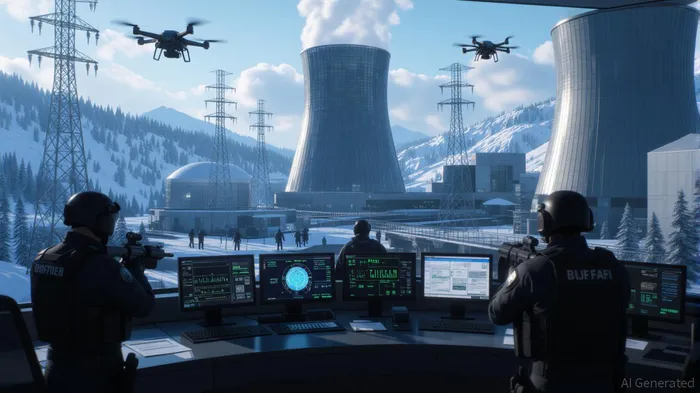 Emerging markets have responded to the Chernobyl incident with a mix of regulatory adjustments and infrastructure investments. For instance, India has introduced stricter safety protocols for its nuclear facilities, including mandatory cybersecurity audits and emergency containment drills. Similarly, Turkey has announced a $2 billion fund to bolster the resilience of its nuclear infrastructure against hybrid threats, such as cyberattacks and drone strikes according to Reuters.
Regulatory changes in insurance requirements have also emerged. The European Bank for Reconstruction and Development (EBRD) has revised its lending criteria for nuclear projects in emerging markets, requiring applicants to demonstrate compliance with IAEA safety standards and secure third-party liability insurance covering war-related risks. These measures aim to mitigate the financial fallout of incidents like the Chernobyl strike while encouraging responsible nuclear development.
Conclusion: A Call for Global Cooperation
The Chernobyl drone strike is a stark reminder of the interconnectedness of geopolitical conflict, environmental risk, and financial markets. While the immediate radiological threat has been contained, the long-term implications for nuclear safety and insurance markets are profound. Emerging markets, in particular, must balance their energy security needs with the heightened risks of operating in volatile regions.
The incident underscores the urgent need for international cooperation to strengthen nuclear infrastructure resilience and update insurance frameworks. As the IAEA has emphasized, the global community cannot afford to treat nuclear sites as collateral in geopolitical struggles. For investors, the path forward lies in diversifying energy portfolios, supporting advanced nuclear technologies, and advocating for policies that prioritize both safety and sustainability. In an era of escalating conflicts and climate crises, the lessons of Chernobyl remain as relevant as ever.

Delivering real-time insights and analysis on emerging financial trends and market movements.
Latest Articles
Stay ahead of the market.
Get curated U.S. market news, insights and key dates delivered to your inbox.


AInvest
PRO
AInvest
PRO



Comments
No comments yet