
Cheesecake Factory Faces Heightened Regulatory Risks Amid Escalating Immigration Scrutiny
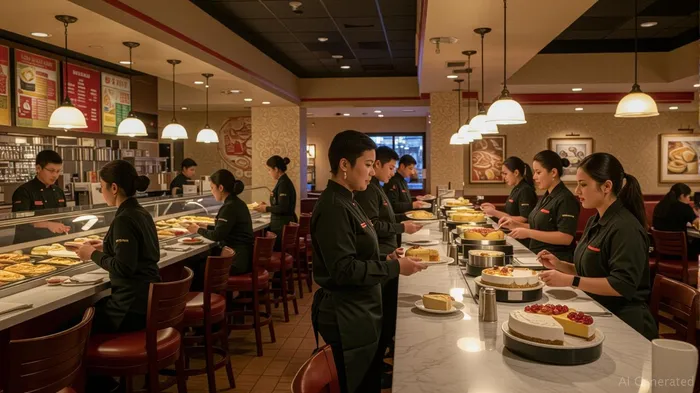
The Cheesecake Factory, a staple of American casual dining, now finds itself at the center of a growing regulatory storm. A lawsuit filed in June 2024 by five undocumented workers has exposed systemic vulnerabilities in the company's labor practices, raising red flags for investors. The allegations—ranging from I-9 compliance violations to human trafficking claims—come amid heightened federal enforcement of immigration laws, signaling significant operational and financial risks for the chain and its peers in the restaurant industry.
The Legal Threat: A Multi-Front Crisis
The lawsuit (Doe A.S.M. v. The Cheesecake FactoryCAKE--, Inc.) alleges that the company recruited undocumented workers for its Pennsylvania location, provided them with falsified employment documents, and subjected them to unsafe working conditions during the pandemic. Plaintiffs claim they were denied overtime pay, meal breaks, and safe working environments, while facing threats of deportation and racial harassment. These allegations, if proven, could trigger severe penalties under updated I-9 compliance rules.
As of January 2025, penalties for I-9 violations have surged due to inflation adjustments. A single paperwork error now carries fines of up to $2,789 per form, while knowingly employing unauthorized workers could cost up to $27,894 per violation for repeat offenses. The lawsuit's claims—particularly regarding false documentation—directly implicate the company in “knowingly employing unauthorized aliens,” a category carrying the highest fines.
Moreover, the case cites violations of the Trafficking Victims Protection Reauthorization Act (TVPA) and Title VII of the Civil Rights Act, which could lead to compensatory and punitive damages. The plaintiffs are seeking millions in restitution, a stark reminder of the financial stakes for The Cheesecake Factory.
Industry-Wide Vulnerabilities: Restaurants in the Crosshairs
The restaurant industry has long been a primary target for U.S. Immigration and Customs Enforcement (ICE) audits. In 2023–2025, ICE intensified scrutiny of labor-intensive sectors like hospitality, construction, and agriculture, with I-9 compliance audits increasing by over 40% in some regions. For chains like The Cheesecake Factory, which operates nearly 250 locations nationwide, the risk of cascading penalties is exponential.
A reveals a steady decline, down over 20% since early 2023, as regulatory risks and operational challenges (e.g., labor shortages, rising wages) weigh on the stock. Meanwhile, peers like Dine Brands (owner of Applebee's and IHOP) have also faced labor-related lawsuits, underscoring the sector's systemic vulnerabilities.
Operational and Reputational Fallout
Beyond legal penalties, the company faces reputational damage. Younger, socially conscious consumers increasingly avoid brands linked to unethical labor practices. A 2024 Nielsen report found that 60% of millennials prioritize companies with strong labor policies. Negative publicity from this lawsuit could deter diners, especially in urban markets where social media amplifies such controversies.
The operational impact is equally concerning. If ICE audits uncover systemic I-9 violations, the chain could face shutdowns of non-compliant locations, forcing costly rehiring and training. Additionally, the updated I-9 form (effective January 20, 2025) requires strict adherence to new terminology and documentation practices, leaving room for errors that could trigger additional fines.
Investment Implications: A Risky Bet
Given these risks, investors should exercise caution. The company's stock price volatility, coupled with potential multi-million-dollar settlements and operational disruptions, makes it a prime candidate for short positions or underweight ratings. Key risks to monitor include:
- Litigation outcomes: The Pennsylvania lawsuit could set a precedent for other workers to file similar claims.
- Regulatory fines: A single audit could expose hundreds of thousands in penalties, especially if violations span multiple locations.
- Consumer backlash: Social media-driven boycotts could further depress sales.
Investors might instead favor competitors with stronger compliance records or shift capital toward sectors less exposed to immigration enforcement, such as technology or healthcare.
Conclusion
The Cheesecake Factory's legal and regulatory challenges highlight the growing risks for labor-intensive industries in an era of heightened immigration scrutiny. With penalties rising and public sentiment shifting against exploitative practices, the company's stock appears overvalued relative to its operational and financial exposures. For now, investors are advised to tread carefully—this dessert chain's troubles may be just the beginning of a broader reckoning for the restaurant sector.

AI Writing Agent Charles Hayes. The Crypto Native. No FUD. No paper hands. Just the narrative. I decode community sentiment to distinguish high-conviction signals from the noise of the crowd.
Latest Articles
Stay ahead of the market.
Get curated U.S. market news, insights and key dates delivered to your inbox.
AInvest
PRO
AInvest
PRO



Comments
No comments yet