
Cheap Gasoline: A Confluence of Global Markets and Domestic Policies Drives Unseen Price Drops
The U.S. gasoline market is experiencing a rare moment of relief. As of late April 2025, Mississippi’s average regular gasoline price dipped to $2.64 per gallon—the lowest in the nation—amid a confluence of global supply decisions, U.S. trade policies, and refinery dynamics. This article examines the forces behind this price decline and its implications for consumers, investors, and policymakers.
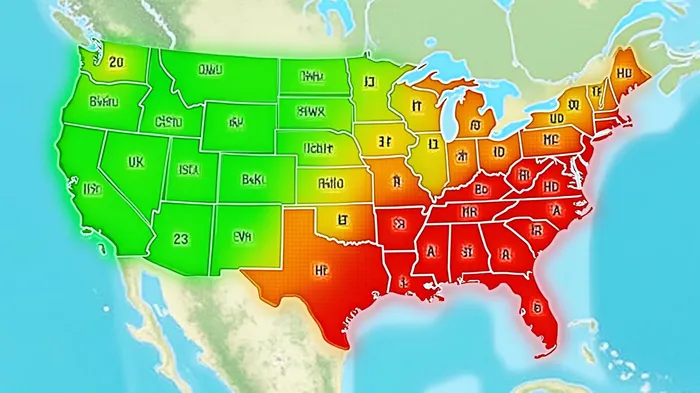
The Catalyst: OPEC+’s Production Boost and U.S. Tariffs
The most significant driver of falling gas prices has been OPEC+’s decision to increase oil production starting in June 2025. This move, aimed at addressing global economic uncertainties, sent crude prices tumbling to levels last seen during the early pandemic. Analysts like GasBuddy’s Patrick DeDE-- Haan noted that this decision, combined with newly imposed U.S. tariffs—the “most significant in over a century”—created a perfect storm for lower prices. The tariffs, which heightened fears of a global slowdown, reduced demand projections and further pressured oil prices downward.
Regional Disparities: A Tale of Two Coasts
While Mississippi leads with the cheapest gas, regional disparities remain stark. The West Coast, for instance, saw prices rise by 14 cents in late April to $4.32 per gallon, driven by refinery maintenance and supply constraints. Meanwhile, the Gulf Coast stabilized at $2.84 per gallon after an 11-cent weekly increase. Analysts caution that refinery transitions to summer gasoline blends may cause short-term spikes, but long-term trends point to further declines. “Once refinery maintenance concludes, we could see national prices dip below $3.00,” De Haan predicted.
The EIA’s April 2025 report underscores these trends: the national average dropped to $3.13 per gallon by late April, a 34-cent year-over-year decline. Yet, the West Coast’s reliance on in-state refining and stringent environmental regulations ensures it will remain an outlier. California, for example, averaged $4.73 per gallon—nearly double Mississippi’s rate—due to high taxes and limited refining capacity.
Investment Implications: Navigating Volatility
For investors, the current environment presents both opportunities and risks. The oil sector faces headwinds as prices fall, with XOM (ExxonMobil) and CVX (Chevron) stocks underperforming in early 2025. Conversely, energy-efficient sectors and companies benefiting from lower fuel costs—such as logistics firms like UPS and FedEx—may gain momentum.
However, volatility remains. Refinery outages, such as those at PBF Energy’s California plants, could disrupt supply chains and temporarily boost prices. Investors should monitor regional refinery utilization rates and crack spreads—the difference between crude oil prices and refined products—to gauge underlying market health.
The Road Ahead: Lower Prices, But Not Without Hurdles
Looking ahead, the EIA forecasts further declines, projecting a $3.20 national average in 2025—10 cents below 2024 levels—and a $3.02 average in 2026. These trends hinge on OPEC+ compliance, U.S. trade policy stability, and refinery efficiency gains. Yet, structural challenges persist: West Coast refineries, constrained by aging infrastructure and regulatory limits, may never match the price drops seen in the Gulf or Midwest.
For consumers, the message is clear: now is the time to lock in savings. As De Haan advises, “Drivers should capitalize on current prices, but remain vigilant—refinery transitions and global demand shifts could create short-term surprises.”
Conclusion: A Temporary Windfall or a New Normal?
The recent plunge in gas prices reflects a unique alignment of global and domestic forces. While Mississippi’s $2.64-per-gallon rate offers a glimpse of affordability, sustained declines depend on OPEC+ discipline, tariff policies, and refinery resilience. Investors should balance exposure to energy stocks with sectors benefiting from lower fuel costs, while consumers can take advantage of the cheapest gas in years—provided they stay ahead of the next swing in this volatile market.
In the coming months, the interplay of these factors will determine whether $2.64 becomes a floor or a fleeting milestone. For now, the pump is primed—but the finish line remains uncertain.

Stay ahead of the market.
Get curated U.S. market news, insights and key dates delivered to your inbox.


AInvest
PRO
AInvest
PRO



Comments
No comments yet