
From Chaos to Calm: How the S&P 500 Rebounded to New Heights Amid Trade Turmoil
The S&P 500's recent ascent to within three points of its record high—just months after a historic tariff-driven selloff—reveals a market defying gravityG--. After plunging nearly 10% in early April due to President Trump's sweeping trade policies, the index has staged one of its sharpest recoveries in decades. This resilience isn't accidental: it stems from a combination of geopolitical détente, tech sector dominance, and investor optimism about Federal Reserve policy. Yet beneath the surface, risks linger that could test this fragile rebound.
Trade Policy Shifts: The Calm After the Storm
The market's revival began with a truce in the trade war. After the April 2 "Liberation Day" tariffs triggered a global market rout, the U.S. and China agreed to a 90-day pause on escalating tariffs, effective May 12. This temporary ceasefire—though fragile—has eased fears of a full-blown trade war. shows a dramatic rebound, with the index climbing 23% from its April 8 low.
The image below illustrates this turnaround: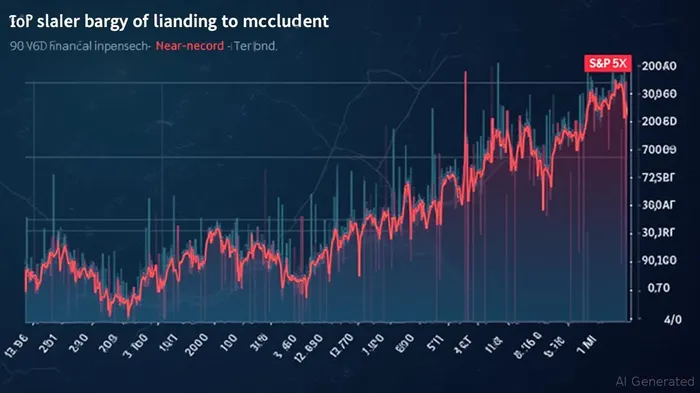
While the July 9 deadline for the tariff pause looms, traders have grown complacent. "Markets are pricing in a deal, even if it's just another temporary extension," says Megan Lee, a strategist at Goldman SachsGS--. This optimism, however, hinges on a resolution that remains far from certain.
Tech Stocks Lead the Charge
The tech sector has been the engine of the recovery. The "Magnificent 7"—Nvidia, AppleAAPL--, MicrosoftMSFT--, AmazonAMZN--, Alphabet, Meta, and Tesla—have driven gains, with semiconductor and AI stocks leading the way. shows a staggering 62% surge, fueled by AI adoption and strong data-center demand. Micron TechnologyMU--, a bellwether for the semiconductor cycle, beat earnings expectations in June, its stock rising 40% since April.
This tech-led rally isn't just about momentum. These companies benefit from high free cash flow, minimal tariff exposure, and secular growth trends like AI and cloud computing. "Tech stocks are the ultimate safe haven in volatile times," notes analyst David Kim. "Their earnings are insulated from trade wars, and their valuations are buoyed by long-term growth narratives."
The Fed's Role: Rate Cuts on the Horizon
Investor confidence has also been bolstered by expectations of Federal Reserve rate cuts. The Fed's June policy statement, which signaled two rate reductions for 2025, has calmed fears of a restrictive monetary policy. show traders pricing in a 75% chance of a September cut.
Chair Jerome Powell's caution about tariffs' inflationary impact hasn't deterred markets. Instead, investors have focused on the Fed's flexibility. "The Fed is now data-dependent, and the data on inflation is softening," says Lee. "Even if tariffs keep prices elevated, the Fed will prioritize growth over inflation in this political climate."
Consumer Resilience: Sentiment and Spending
Consumer spending, a pillar of the U.S. economy, has held up better than feared. The University of Michigan's June consumer sentiment index rose to 72.1, its highest level since February. This stability, despite higher inflation and trade uncertainty, reflects a labor market still humming: unemployment remains near 3.5%, and wage growth is steady.
highlights this disconnect: sentiment and employment metrics remain strong even as trade tensions raged.
Implications for Investors
The market's rebound presents opportunities—and risks—for investors.
Sectors to Watch:
- Tech and AI: Companies with exposure to AI adoption, cloud computing, and semiconductors are likely to outperform. Consider names like NVIDIANVDA--, Microsoft, and Advanced Micro Devices.
- Financials: Banks and insurers, which benefit from rising rates and a resilient economy, could see gains if the Fed's pause on hikes continues.
Sectors to Avoid:
- Trade-Exposed Industries: Manufacturing, industrials, and automotive sectors remain vulnerable to tariff impacts and supply chain disruptions.
- Commodity-Dependent Firms: Higher inflation and global trade barriers could pressure companies reliant on raw materials.
Risks Ahead: July 9 and Beyond
The July 9 tariff deadline is the first major test. If the U.S. and China fail to extend the truce, markets could reprice risk aggressively. Additionally, the bond market's recent volatility—a 10-year Treasury yield near 4.6% in April—hints at deeper investor skepticism about fiscal policy.
Geopolitical spillovers are also a concern. China's export controls on critical minerals and technologies, coupled with retaliatory tariffs, could disrupt global supply chains. Meanwhile, inflation remains stubborn in key economies: France's June inflation hit 3.2%, and Japan's core inflation stayed above 2% for the first time in decades.
Conclusion: Balancing Hope and Caution
The S&P 500's rebound is a testament to markets' ability to recover swiftly from geopolitical shocks. Tech's dominance and Fed-friendly policies have created an environment where risk-taking is rewarded. Yet investors must remain vigilant: the July 9 deadline, inflation, and global trade dynamics could upend this fragile calm.
For now, the playbook is clear: lean into secular-growth tech stocks and high-quality financials, while hedging against trade-sensitive sectors. The market's forward-looking nature may keep climbing, but history shows that complacency in turbulent times rarely ends well.
Stay sharp, and keep one eye on the tariff horizon.

Stay ahead of the market.
Get curated U.S. market news, insights and key dates delivered to your inbox.
AInvest
PRO
AInvest
PRO



Comments
No comments yet