
ChainOpera AI Token's Sudden Crash and Implications for AI-Driven Crypto Assets


 Aime Summary
Market Volatility and the COAl Crash
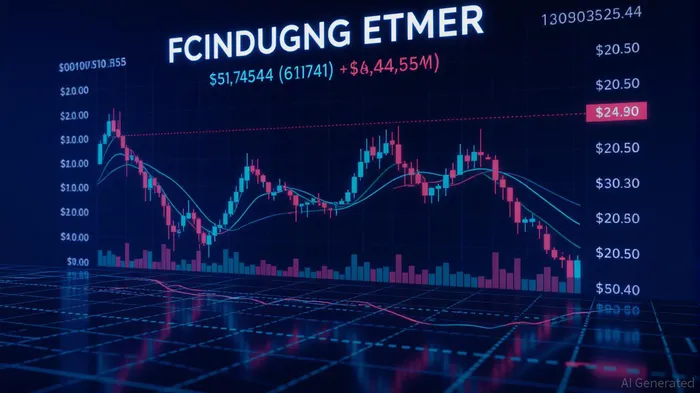
The COAl token, associated with ChainOpera, an AI-enabled Layer1 project, experienced a meteoric rise following its listing on Binance Alpha on September 25, 2025. Prices surged from a low of $0.13 to a peak of $20, only to retreat to $1.50 by early November, according to a Coinotag report. However, the November crash was even more severe. By October 12, 2025, the token had briefly spiked to $44.90-a 13,500% gain in 17 days-before plummeting to $14 within 24 hours and further collapsing to $4.50–$6 by October 20, according to a StealthEx analysis. This volatility was exacerbated by a broader liquidation event in the crypto market, described as a "leverage adjustment" rather than a solvency crisis, which reset market leverage to a healthier structural state, as reported by a Coinbase update.
The crash was fueled by a combination of factors: speculative trading, synchronized on-chain activity from 60 wallets, and growing skepticism about ChainOpera's decentralized AI narrative, as highlighted in a BeInCrypto investigation. Experts like Viktor have labeled COAl as "the top scam of October," citing centralization concerns-ten wallets controlled 87.9% of the token supply-raising red flags about market manipulation, as noted in the BeInCrypto investigation.
Centralization and Market Manipulation
The COAl crash highlights a critical flaw in many AI-driven crypto projects: the concentration of token ownership. With 87.9% of COAl tokens held by just ten wallets, the project's governance structure lacked the decentralization it claimed to champion, as reported in the BeInCrypto investigation. This centralization enabled coordinated price manipulation, as evidenced by the synchronized trades observed in October, according to the StealthEx analysis. Such practices erode trust and amplify volatility, particularly in markets where retail investors are drawn by hype rather than fundamentals.
Implications for AI-Driven Crypto Assets
The COAl incident underscores the broader risks inherent in AI-driven crypto projects. While AI promises to revolutionize sectors like finance and technology, its integration into blockchain ecosystems introduces new vulnerabilities. For instance, AI models used for predictive analytics or automated trading can become self-fulfilling prophecies, exacerbating market swings when deployed at scale, as discussed in a InnReg guide.
However, the crisis also reveals opportunities for innovation in risk management. Platforms like ProcessUnity, recognized as a leader in Vendor Risk Management (VRM) by QKS Group, offer AI-powered tools such as Evidence Evaluator and Assessment Autofill to automate risk validation and streamline vendor onboarding, according to a Morningstar report. These tools, which reduce operational risks and enhance efficiency, could be adapted to monitor and mitigate risks in AI-driven crypto assets. Similarly, ClearToken's DvP (Delivery versus Payment) platform in the UK provides institutional-grade settlement infrastructure, reducing counterparty risk and improving liquidity for digital assets, as reported in a FinanceFeeds update.
Investor Risk Management Strategies
The COAl crash has accelerated the adoption of advanced risk management strategies in the crypto space. By 2025, 60% of institutions had integrated AI-driven risk assessment tools into their investment strategies, a trend expected to grow in 2026, according to a SQ Magazine report. These tools enable real-time monitoring of credit underwriting, fraud detection, and transaction risks. However, they also introduce challenges, such as algorithmic bias and regulatory compliance. For example, black-box AI models used in credit scoring or fraud detection often lack transparency, making it difficult to justify decisions under fair lending laws, as noted in the InnReg guide.
Regulatory scrutiny is intensifying. In the U.S., enforcement under the FTC Act and state-level guidelines like New York's cybersecurity rules now apply to AI-driven decision-making, as discussed in the InnReg guide. The EU AI Act, which classifies many financial AI tools as "high-risk," further emphasizes the need for robust governance frameworks, as discussed in the InnReg guide. Institutions are responding by allocating $6.7 billion in crypto insurance in 2025-a 52% year-on-year increase-to mitigate cyber threats and smart contract risks, according to the SQ Magazine report.
Conclusion
The ChainOpera AI Token crash is a microcosm of the challenges facing AI-driven crypto assets. While the technology holds transformative potential, its adoption must be accompanied by stringent risk management practices. Investors must prioritize transparency, decentralization, and regulatory compliance to avoid the pitfalls exposed by COAl. As the market evolves, the integration of AI-powered risk tools and regulated infrastructure will be critical in fostering trust and stability in this nascent sector.

Blending traditional trading wisdom with cutting-edge cryptocurrency insights.
Latest Articles
Stay ahead of the market.
Get curated U.S. market news, insights and key dates delivered to your inbox.




Comments
No comments yet