
The ChainOpera AI Token Crash: A Warning for AI-Driven Crypto Markets?
 Aime Summary
The Anatomy of the COAI Crash
COAI's meteoric rise-from $0.14 to $5.77 in weeks-was fueled by speculative trading and fear of missing out (FOMO), driven by a surge in the Chaikin Money Flow indicator. However, the token's collapse by 96% in late November 2025 revealed a fragile foundation. Over 96% of COAI's supply was concentrated in the top 10 wallets, creating a liquidity crisis when large-scale selling occurred. This extreme centralization undermined the decentralized ethos of blockchain, amplifying volatility and eroding trust.
Compounding these issues were COAI's tokenomics: only 19.6% of its 1 billion max supply was circulating as of October 2025, with the remaining 804 million tokens locked until late 2026. A scheduled unlock of 8.3 million tokens in October 2025 further heightened market anxiety, as traders anticipated a potential flood of supply. The crash highlights how limited float and whale-driven dynamics can destabilize even high-profile AI projects.
Regulatory Scrutiny and Systemic Risks
Post-crash regulatory actions have intensified oversight of AI-blockchain projects. The U.S. Securities and Exchange Commission issued a no-action letter in September 2025, clarifying custody rules for digital assets, while the Department of Justice (DOJ) has pursued enforcement actions against fraudulent schemes, including the HashFlare Ponzi scheme as detailed in recent updates. These moves signal a shift toward balancing innovation with investor protection.
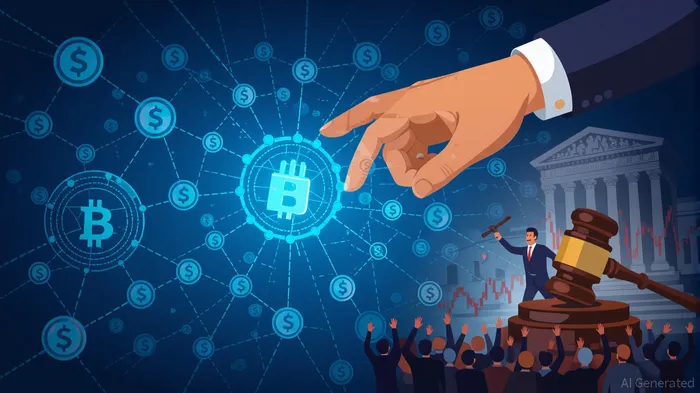 Yet regulatory ambiguity persists. The introduction of the CLARITY and GENIUS Acts in 2025 created compliance challenges for AI-driven tokens like COAI. This uncertainty exacerbated investor flight, as projects struggled to adapt to evolving legal frameworks. The parallels to the 2008 financial crisis are striking: just as opaque financial instruments and lax regulation fueled the 2008 collapse, COAI's unaudited AI algorithms and centralized governance created a similar environment of instability.
Investor Implications and Risk Mitigation Strategies
For investors, the COAI crash underscores the importance of diversification and disciplined strategies. Diversifying across major cryptocurrencies, DeFi protocols, and utility tokens can reduce exposure to single-asset volatility. Dollar-cost averaging, where fixed investments are made at regular intervals, also mitigates the risk of buying at market peaks.
AI-driven tools offer additional safeguards. Real-time analytics and predictive modeling can help investors navigate market sentiment and macroeconomic shifts. For instance, robo-advisors dynamically adjust portfolios based on risk thresholds, ensuring exposure to high-volatility assets remains controlled.
Liquidity management is equally critical. High-liquidity assets allow for swift exits during downturns, minimizing losses. Secure storage solutions, such as cold wallets, further protect against hacking risks. Investors must also prioritize projects with transparent governance and audited smart contracts, avoiding those with centralized token distributions like COAI.
Lessons for the AI-Blockchain Convergence
The COAI crash is a cautionary tale for the AI-blockchain sector. While AI promises innovation in areas like algorithmic trading and decentralized finance, its integration with blockchain requires rigorous technical and governance frameworks. Projects must prioritize real-world utility over speculative hype, ensuring smart contracts are audited and token distributions are decentralized.
Regulators, meanwhile, face the challenge of fostering innovation without stifling it. Clear guidelines on AI's role in crypto ecosystems-such as algorithmic transparency and compliance standards-could prevent future crises. For investors, the key takeaway is to treat AI-blockchain projects as high-risk, high-reward assets, demanding due diligence and strategic risk management.
Conclusion
The ChainOpera AI token's collapse is not an isolated event but a symptom of broader systemic risks in AI-driven crypto markets. By learning from historical crises like 2008 and adopting proactive strategies, investors can navigate this volatile landscape with greater resilience. As the sector evolves, transparency, regulatory clarity, and investor education will be critical to avoiding the next COAI.

Blending traditional trading wisdom with cutting-edge cryptocurrency insights.
Latest Articles
Stay ahead of the market.
Get curated U.S. market news, insights and key dates delivered to your inbox.






Comments
No comments yet