
Chainlink (LINK) Strengthens Role in Real-World Data Integration for Smart Contracts
 Aime Summary
Chainlink is playing a pivotal role in enabling blockchain networks to access real-world data via its oracle infrastructure, which supports smart contracts in decentralized finance (DeFi) and other blockchain use cases according to analysis.
As traditional finance increasingly adopts blockchain technology, ChainlinkLINK-- is well positioned to benefit from growing demand for its services in areas like stablecoin issuance and real-world asset tokenization according to reports.
The integration of on-chain systems with real-world data infrastructure is accelerating, particularly with the industrialization of DeFi-as-a-Service (DaaS) and Lending-as-a-Service (LaaS).
Chainlink (LINK) has emerged as a key player in the blockchain ecosystem by addressing one of the most persistent challenges in decentralized systems: connecting smart contracts with real-world data. The platform's oracle network acts as a bridge between on-chain protocols and off-chain data sources, enabling smart contracts to execute based on real-time, verified information. This functionality is especially vital for DeFi platforms and other blockchain-based applications that rely on accurate external data to function effectively according to analysis.
The growing integration of blockchain into traditional finance is driving demand for Chainlink's services. SolanaSOL-- and Chainlink, for example, are both seen as potential beneficiaries of this trend due to their roles in infrastructure and real-world application development. Solana is valued for its speed and low cost, making it ideal for stablecoin and asset tokenization, while Chainlink's oracle technology is critical for ensuring that smart contracts have access to reliable data according to analysis.
In the broader context of blockchain adoption, Chainlink's role extends beyond financial applications. The infrastructure it provides is crucial for asset tokenization, enabling real-world assets such as real estate and government bonds to be represented as programmable tokens on the blockchain. This development allows for features like fractional ownership and composable use cases, which can expand the scope of digital asset markets according to Chainlink documentation.
How Does Chainlink Enable Real-World Data Integration for Smart Contracts?
Chainlink's oracle network operates by fetching and verifying data from multiple off-chain sources before delivering it to smart contracts on the blockchain. This process ensures that smart contracts have access to reliable, up-to-date information. For example, a DeFi lending platform might use Chainlink to access real-time interest rates or credit scores from traditional financial systems. By doing so, the platform can automate loan approvals and manage risk more effectively according to analysis.
This capability is particularly valuable in industries where data accuracy is critical, such as supply chain management and real estate. For instance, SMX is leveraging blockchain technology to convert physical commodities like plastics and metals into verified digital assets using invisible molecular markers. These markers allow for authenticated tracking of materials across supply chains, with data stored on the blockchain. 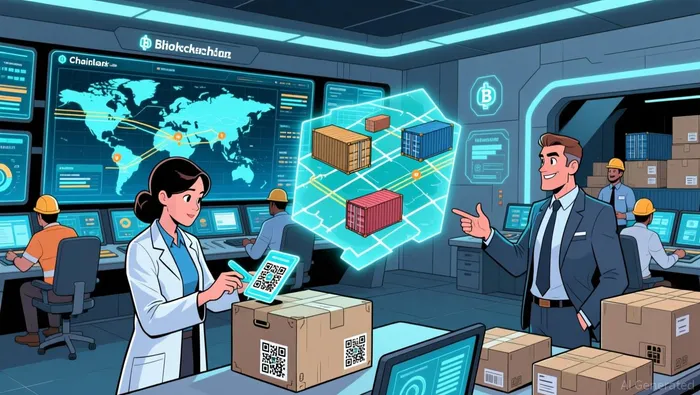 Chainlink could play a key role in verifying and integrating this data into smart contracts according to industry reports.
What Are the Implications for DeFi and Asset Tokenization?
The increasing use of smart contracts in DeFi and asset tokenization is reshaping the financial landscape. Chainlink's oracle technology is essential for ensuring that these contracts can access real-world data in a secure and reliable manner. This is particularly important for DeFi platforms that rely on accurate price feeds, credit assessments, and other external data to function effectively.
Asset tokenization is another area where Chainlink's services are gaining traction. By enabling smart contracts to access verified data about physical assets, Chainlink helps facilitate the creation of programmable tokens that represent real-world assets. This development opens up new possibilities for investors and market participants, including the ability to trade fractional ownership of assets and access on-chain liquidity according to Chainlink documentation.
However, there are challenges to overcome. For example, asset tokenization faces regulatory and interoperability hurdles, while Chainlink's oracle network must ensure data integrity and prevent manipulation. Despite these challenges, the potential for innovation in this space remains significant, and Chainlink is well positioned to play a key role in shaping the future of on-chain markets.

Blending traditional trading wisdom with cutting-edge cryptocurrency insights.
Latest Articles
Stay ahead of the market.
Get curated U.S. market news, insights and key dates delivered to your inbox.


AInvest
PRO
AInvest
PRO



Comments
No comments yet