
CHAINLINK DRIVES INNOVATION IN TOKENIZED FUNDS AND REAL-WORLD ASSET INTEGRATION
 Aime Summary
Chainlink’s oracleADA-- technology is critical in verifying Net Asset Value (NAV) and custody for tokenized funds, enabling smart contracts to automate fund operations.
Tokenized aviation and energy assets are gaining traction, offering institutional-grade yield and diversification while bridging traditional markets with blockchain finance.
Chainlink’s integration with tokenized equities allows real-time, audited price feeds for collateralization on DeFi platforms like EulerEUL--, expanding use cases for real-world assets.
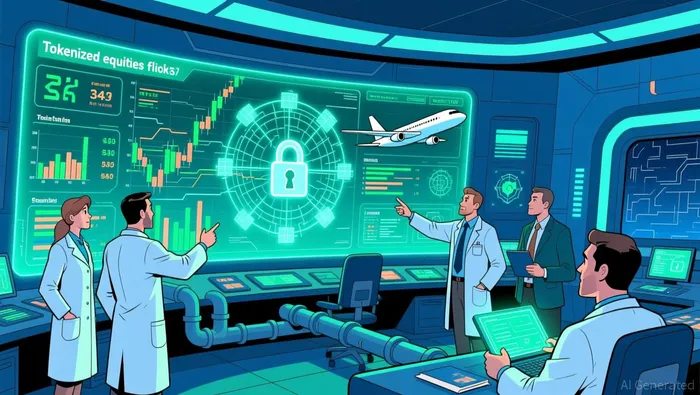
Chainlink (LINK) continues to evolve as a cornerstone in the blockchain ecosystem, particularly in the tokenization of real-world assets and institutional-grade financial products. The platform’s decentralized oracle network provides essential infrastructure for verifying and integrating real-time data into smart contracts, which is crucial for trust and transparency. With over $8 trillion in secured value and 47% growth in integrated applications in 2024, ChainlinkLINK-- is positioned to support the expanding market for tokenized assets.
Tokenized funds, which represent shares in investment vehicles as digital tokens, rely heavily on Chainlink’s data verification capabilities. This is especially important for compliance, investor qualification, and accurate NAV calculations. Smart contracts automate fund operations, reducing inefficiencies and intermediaries that have historically plagued asset management. Tokenization also opens access for a broader range of investors to previously illiquid assets like private equity and real estate, while enhancing liquidity through fractional ownership.
In the energy sector, tokenization is enabling a new model for oil and gas investments. Projects like tokenized oil allow for transparent and automated settlement of physical commodities, bridging traditional energy markets with the onchain economy. This innovation is supported by oracles like Chainlink, which ensure custody verification and real-time data integration. Fractional ownership and 24/7 liquidity make energy assets more accessible to both retail and institutional investors.
What is fund tokenization and how does Chainlink support it?
Fund tokenization leverages blockchain technology to represent investment fund shares as digital tokens, offering improved efficiency and transparency compared to traditional paper-based systems. Smart contracts automate processes like subscription, redemption, and compliance, reducing administrative overhead and increasing trust. Chainlink’s role is pivotal in ensuring the integrity of data used in these processes. For example, its oracles can verify the accuracy of NAV calculations, which are essential for fund valuation and investor trust.
In the context of institutional adoption, Chainlink provides the infrastructure needed to integrate real-world data into blockchain-based financial products. This includes tracking and verifying asset reserves, ensuring compliance with regulatory requirements, and enabling cross-chain interoperability. These capabilities support the growth of tokenized funds across asset classes, from money markets to private equity.
How are tokenized aviation and energy assets evolving?
Tokenized aviation assets, such as the Eurus Aero Token I, are backed by physical assets like Boeing 737-800 engines, and are generating income through long-term leases with major US carriers. This model offers investors predictable cash flows and a target annual return of approximately 11%. The tokenized structure allows for transparent ownership and trading through Ethereum-based secondary markets, enhancing liquidity and access to a traditionally illiquid asset class.
Similarly, tokenized oil and energy assets are being developed to represent physical commodities or revenue rights in production. This enables fractional ownership and automated settlement, making energy assets more accessible and liquid. Tokenization also allows for the integration of energy assets into decentralized finance (DeFi), where they can be used as collateral or for yield generation. These developments are supported by oracles like Chainlink, which provide real-time data for custody verification and pricing.
What role does Chainlink play in real-world asset integration with DeFi?
Chainlink’s integration with real-world asset platforms like OndoONDO-- Finance marks a significant step in bridging traditional finance with decentralized systems. Ondo’s use of Chainlink price feeds for tokenized equities allows users to pledge these assets as collateral on DeFi platforms like Euler. This supports real-time monitoring of asset values and enhances trust by using proven oracle infrastructure.
The collaboration also highlights Chainlink’s role in addressing past vulnerabilities in DeFi, such as oracle manipulation and downtime. By providing audited and real-time data feeds, Chainlink enhances the reliability of tokenized assets as collateral, improving risk management for lenders and borrowers. As regulators like the SEC and NYSE explore frameworks for blockchain-based securities, Chainlink’s role in ensuring data integrity and compliance will become even more critical.
Despite these advancements, challenges remain. These include regulatory uncertainty, infrastructure gaps, and the need for broader adoption of tokenized assets. However, with ongoing upgrades like Chainlink 2.0 and Staking v2, the platform continues to enhance its utility and token demand. As the market for tokenized real-world assets grows, Chainlink’s role in connecting smart contracts with external data will likely expand further.

Blending traditional trading wisdom with cutting-edge cryptocurrency insights.
Latest Articles
Stay ahead of the market.
Get curated U.S. market news, insights and key dates delivered to your inbox.


AInvest
PRO
AInvest
PRO



Comments
No comments yet