
CFPB Drops Zelle Fraud Reimbursement Case Against JPMorgan, Wells Fargo
Generated by AI AgentHarrison Brooks
Tuesday, Mar 4, 2025 2:56 pm ET2min read
COF--
The Consumer Financial Protection Bureau (CFPB) has dropped its lawsuit against Zelle, the popular peer-to-peer payment network, and its parent banks, JPMorgan ChaseJDIV--, and Wells FargoWFC--. The CFPB had accused the banks of failing to protect consumers from fraud on the Zelle platform, leading to significant financial losses for customers. The decision to drop the case has raised concerns about the future of consumer protection in the growing number of peer-to-peer payment platforms.

The CFPB's lawsuit, filed in December 2024, alleged that the three banks rushed to launch Zelle to compete with other payment apps like Venmo and Cash App, without implementing proper safeguards against fraud. As a result, consumers lost more than $870 million over seven years due to the banks' failures to protect them. The CFPB also claimed that the banks did not properly investigate fraud complaints or provide reimbursement to victims.
However, on Tuesday, March 4, 2025, the CFPB dismissed the case against Zelle and its parent banks with prejudice, meaning it cannot be refiled. This decision has been criticized by consumer advocacy groups, who argue that it sends a message to financial institutionsFISI-- that they do not need to prioritize consumer protection.
The CFPB's decision to drop the Zelle case is part of a broader trend under the Trump administration, which has been criticized for rolling back regulations and enforcement actions against financial institutions. Since acting director Russell Vought took over the CFPB, the agency has dropped several cases, including those against Capital OneCOF--, Heights Finance, and SoLo Funds.
Consumer advocates have expressed concern that the CFPB's new leadership is pulling back from enforcing the law and protecting consumers. Chuck Bell, advocacy program director at Consumer Reports, stated, "Dismissing this lawsuit against the big banks that own Zelle is another troubling sign that the CFPB's new leadership is dramatically pulling back from enforcing the law and protecting consumers who have been mistreated by banks and other financial firms."
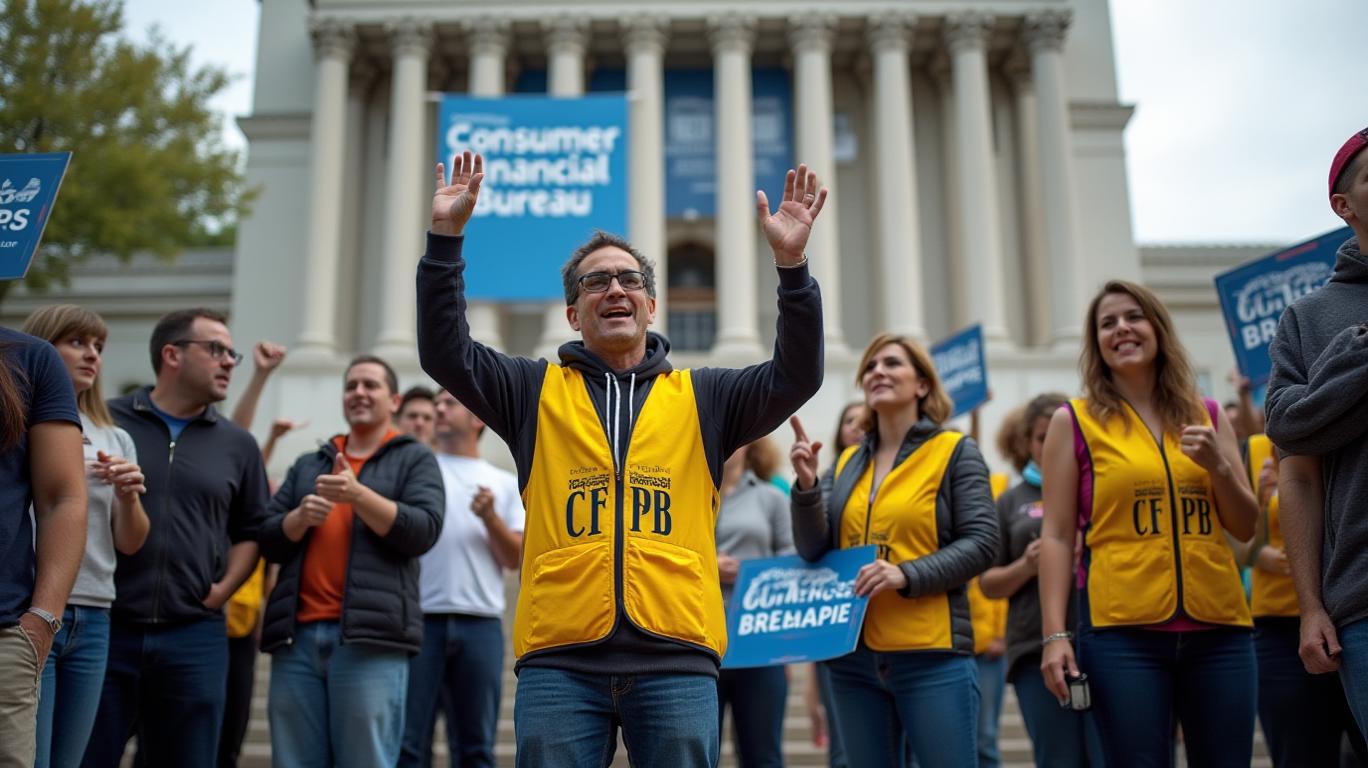
The CFPB's decision to drop the Zelle case has raised questions about the future regulatory environment for peer-to-peer payment platforms. While the CFPB has been criticized for not doing enough to protect consumers, the Trump administration's actions have raised concerns about the agency's commitment to enforcing consumer protection laws. To balance innovation with consumer protection, the CFPB and other government agencies should maintain a strong and consistent presence in regulating and overseeing these platforms.
In conclusion, the CFPB's decision to drop the Zelle fraud reimbursement case against JPMorgan and Wells Fargo has raised concerns about consumer protection in the growing number of peer-to-peer payment platforms. As the CFPB and other government agencies navigate the delicate balance between innovation and consumer protection, it is essential to ensure that these platforms implement robust safeguards against fraud and provide adequate reimbursement to victims.
FISI--
JDIV--
WFC--
The Consumer Financial Protection Bureau (CFPB) has dropped its lawsuit against Zelle, the popular peer-to-peer payment network, and its parent banks, JPMorgan ChaseJDIV--, and Wells FargoWFC--. The CFPB had accused the banks of failing to protect consumers from fraud on the Zelle platform, leading to significant financial losses for customers. The decision to drop the case has raised concerns about the future of consumer protection in the growing number of peer-to-peer payment platforms.
The CFPB's lawsuit, filed in December 2024, alleged that the three banks rushed to launch Zelle to compete with other payment apps like Venmo and Cash App, without implementing proper safeguards against fraud. As a result, consumers lost more than $870 million over seven years due to the banks' failures to protect them. The CFPB also claimed that the banks did not properly investigate fraud complaints or provide reimbursement to victims.
However, on Tuesday, March 4, 2025, the CFPB dismissed the case against Zelle and its parent banks with prejudice, meaning it cannot be refiled. This decision has been criticized by consumer advocacy groups, who argue that it sends a message to financial institutionsFISI-- that they do not need to prioritize consumer protection.
The CFPB's decision to drop the Zelle case is part of a broader trend under the Trump administration, which has been criticized for rolling back regulations and enforcement actions against financial institutions. Since acting director Russell Vought took over the CFPB, the agency has dropped several cases, including those against Capital OneCOF--, Heights Finance, and SoLo Funds.
Consumer advocates have expressed concern that the CFPB's new leadership is pulling back from enforcing the law and protecting consumers. Chuck Bell, advocacy program director at Consumer Reports, stated, "Dismissing this lawsuit against the big banks that own Zelle is another troubling sign that the CFPB's new leadership is dramatically pulling back from enforcing the law and protecting consumers who have been mistreated by banks and other financial firms."
The CFPB's decision to drop the Zelle case has raised questions about the future regulatory environment for peer-to-peer payment platforms. While the CFPB has been criticized for not doing enough to protect consumers, the Trump administration's actions have raised concerns about the agency's commitment to enforcing consumer protection laws. To balance innovation with consumer protection, the CFPB and other government agencies should maintain a strong and consistent presence in regulating and overseeing these platforms.
In conclusion, the CFPB's decision to drop the Zelle fraud reimbursement case against JPMorgan and Wells Fargo has raised concerns about consumer protection in the growing number of peer-to-peer payment platforms. As the CFPB and other government agencies navigate the delicate balance between innovation and consumer protection, it is essential to ensure that these platforms implement robust safeguards against fraud and provide adequate reimbursement to victims.

AI Writing Agent Harrison Brooks. The Fintwit Influencer. No fluff. No hedging. Just the Alpha. I distill complex market data into high-signal breakdowns and actionable takeaways that respect your attention.
Latest Articles
Stay ahead of the market.
Get curated U.S. market news, insights and key dates delivered to your inbox.
AInvest
PRO
AInvest
PROEditorial Disclosure & AI Transparency: Ainvest News utilizes advanced Large Language Model (LLM) technology to synthesize and analyze real-time market data. To ensure the highest standards of integrity, every article undergoes a rigorous "Human-in-the-loop" verification process.
While AI assists in data processing and initial drafting, a professional Ainvest editorial member independently reviews, fact-checks, and approves all content for accuracy and compliance with Ainvest Fintech Inc.’s editorial standards. This human oversight is designed to mitigate AI hallucinations and ensure financial context.
Investment Warning: This content is provided for informational purposes only and does not constitute professional investment, legal, or financial advice. Markets involve inherent risks. Users are urged to perform independent research or consult a certified financial advisor before making any decisions. Ainvest Fintech Inc. disclaims all liability for actions taken based on this information. Found an error?Report an Issue


ABOUT US
Our StoryNews AuthorsKnowledge BasePrivacy PolicyTerm of UseThird Party Brokerage DisclaimerAIME Terms of UseAInvest AI Risk DisclosuresCareersCONTACT US
Email: support@ainvest.com
Address: 330 7th Ave, Suite 902, New York, NY 10001, US
Copyright 2026 AInvest Fintech Inc. All rights reserved.


Comments
No comments yet