
CFOs Cut Hiring,Capital Spending by 25% Due to Tariffs
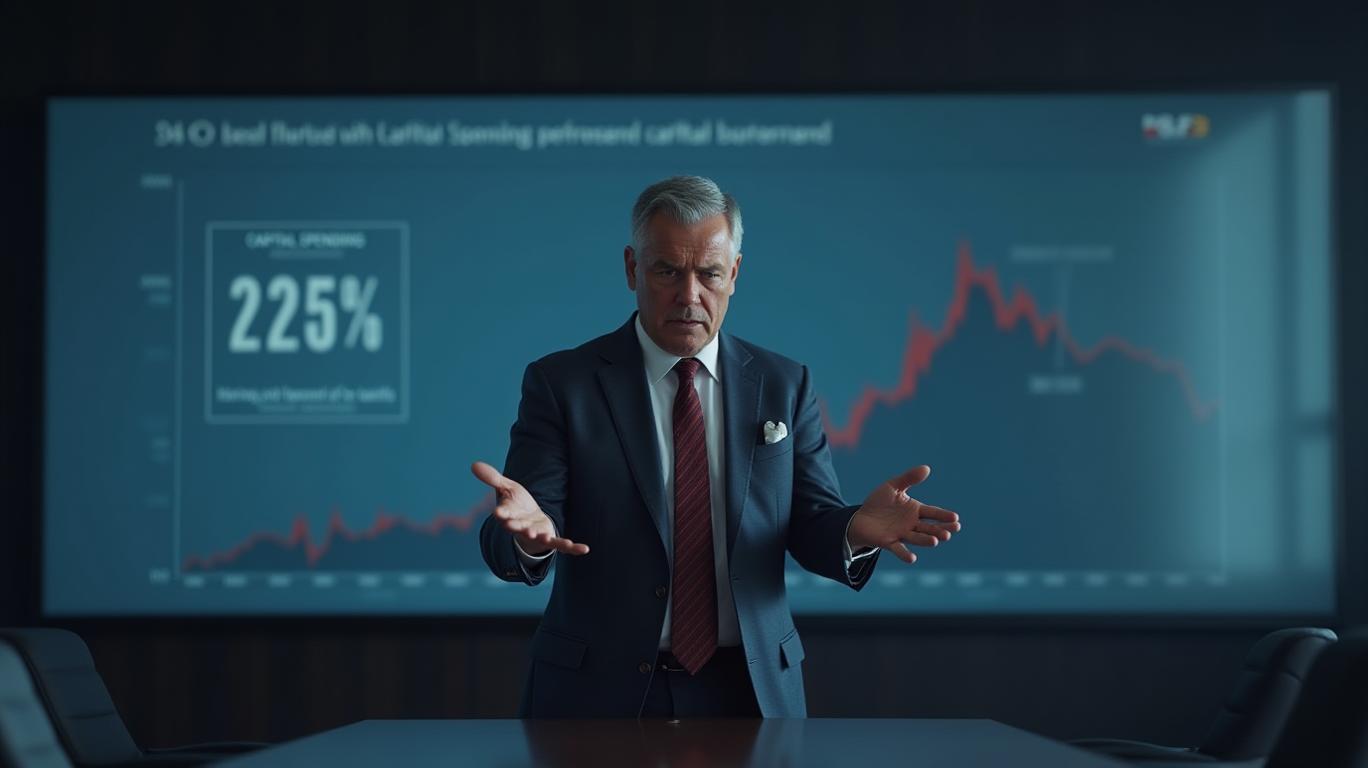
A significant portion of Chief Financial Officers (CFOs) are adjusting their business strategies in response to the imposition of tariffs. A recent survey reveals that a quarter of CFOs have indicated that they are decreasing hiring and cutting capital spending as a direct result of these tariffs. This shift in corporate strategy underscores the growing concern among financial leaders about the economic impact of tariffs, which have emerged as a top concern for many CFOs.
The survey highlights that 90% of CFOs believe that tariffs will contribute to inflationary pressures. This perspective is supported by the fact that 45% of CFOs expect capital spending for longer-term initiatives to remain flat, while 35% anticipate an increase. Conversely, 20% of CFOs foresee a decrease in capital spending, indicating a cautious approach to investment in the face of economic uncertainty.
The economic outlook has become increasingly pessimistic, with more than half of CFOs surveyed expecting a recession this year. This sentiment is a stark contrast to previous surveys, where only 7% of CFOs anticipated a recession. The shift in economic expectations is likely influenced by the ongoing trade tensions and the potential for further tariff implementations, which have fueled concerns about the US economy.
The impact of tariffs on the economy is multifaceted. President Trump's tariffs have reshaped US trade policy, overhauling decades of free-trade agreements with both allies and adversaries. This policy shift has led to a significant re-evaluation of business strategies, with many companies reassessing their supply chains and investment plans in response to the new trade environment.
The survey findings suggest that CFOs are taking a proactive approach to mitigate the risks associated with tariffs. By decreasing hiring and cutting capital spending, companies aim to preserve liquidity and maintain financial stability in an uncertain economic climate. This strategy reflects a broader trend of risk management, where businesses prioritize short-term financial health over long-term growth initiatives.
The economic landscape is further complicated by elevated consumer inflation expectations, which raise the bar for possible rate cuts this year. High inflation and high survey-based inflation expectations are likely to influence monetary policy decisions, as central banks grapple with the dual challenges of maintaining economic growth and controlling inflation.
In summary, the survey results indicate that tariffs are having a significant impact on corporate strategy, with a quarter of CFOs reducing hiring and capital spending in response. The economic outlook remains uncertain, with many CFOs expecting a recession this year. As businesses navigate the complexities of the current trade environment, they are adopting cautious strategies to mitigate risks and preserve financial stability.

Stay ahead of the market.
Get curated U.S. market news, insights and key dates delivered to your inbox.






Comments
No comments yet