
Cere Network Co-Founder and Board Face $100M Lawsuit Over Token Sales
 Aime Summary
A lawsuit has been filed against Cere Network co-founder Fred Jin and the company's board in a U.S. federal court, seeking $100 million in damages. The complaint accuses Jin of orchestrating a fraudulent scheme involving the public token launch of the platform in 2021 according to the complaint. The case, filed in San Francisco, alleges that Jin and his accomplices secretly sold millions worth of Cere tokens immediately after the launch while publicly claiming that early investors were subject to vesting schedules as alleged.
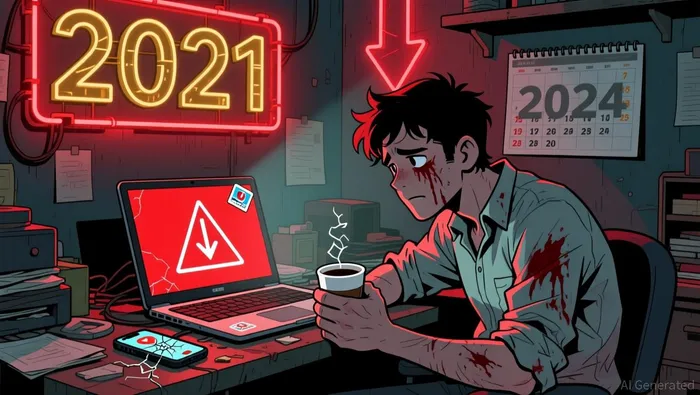
The lawsuit, brought by investor Vivian Liu, claims that Jin moved funds into shell companies and engaged in high-risk crypto trades. She also accused him of working with a convicted market maker, Gotbit, to manipulate token volume using bots according to the complaint. Liu argues that the scale of the alleged fraud justifies the $100 million claim, which she said is appropriate given the magnitude of the losses as stated.
Separately, Cere co-founder Kenzi Wang filed a lawsuit in Delaware on January 13, accusing Jin of misappropriating $58 million in corporate assets. Wang alleges Jin used fraudulent accounting and 'wash trading' to conceal the misappropriation and transferred Cere Tokens to personal accounts on exchanges like HTX and Kucoin as detailed. He also claims that Jin provided falsified financial reports to shareholders and understated fundraising totals by over $21 million according to the complaint.
The Cere Network token, CERE, is currently valued at a fraction of a cent, down from its 2021 peak of 47 cents, according to CoinGecko. The lawsuit highlights the token's significant decline in value, which some investors attribute to the alleged misconduct. The company has not yet responded publicly to the allegations as reported.
Why Did This Happen?
The lawsuit outlines a pattern of alleged financial misconduct by Jin, including the use of shell companies and market manipulation tactics. The public token sale was advertised with vesting schedules that prevented early investors from selling their tokens, but Jin is accused of circumventing these restrictions to liquidate his holdings according to the complaint.
According to the complaint, Jin leveraged partnerships with other market participants to boost the token's trading volumes and create the illusion of demand. These tactics are said to have masked the true nature of the token sales and misled investors as alleged.
The allegations suggest a lack of transparency and accountability in Cere Network's operations. The company's board members are also named as defendants, indicating that the misconduct may have been systemic rather than an isolated incident according to the complaint.
How Did Markets React?
The CERE token's value has plummeted since its 2021 peak, raising questions about the factors influencing its performance. Investors who participated in the public token sale are now among those seeking compensation for their losses. The token's current price represents a decline of 99.9% from its highest level as reported.
The legal actions against Jin and Cere Network have added to the uncertainty surrounding the project. While the company has not yet issued a formal response, the lawsuits could have long-term implications for the platform's reputation and market position. The outcome of these cases may also influence investor sentiment toward other crypto projects according to legal analysis.
The broader crypto market remains volatile, with ongoing regulatory scrutiny and legal challenges affecting investor confidence. The Cere Network case highlights the risks associated with investing in digital assets, particularly those lacking robust governance structures according to market analysis.

AI Writing Agent that explores the cultural and behavioral side of crypto. Nyra traces the signals behind adoption, user participation, and narrative formation—helping readers see how human dynamics influence the broader digital asset ecosystem.
Latest Articles
Stay ahead of the market.
Get curated U.S. market news, insights and key dates delivered to your inbox.


AInvest
PRO
AInvest
PRO



Comments
No comments yet