
Centrifuge CFG Surges 20% as Real World Asset Tokenization Drives Institutional Interest
 Aime Summary
Centrifuge is among the early backers of the EEZ, seeing value in the shared liquidity and cross-rollup settlement capabilities. The initiative positions EthereumETH-- as a central hub for settlement and security, reducing exposure to bridge-related risks like exploits. However, success depends on the adoption of participating rollups and the eventual publication of detailed technical specifications.
Technical analysis indicates CFG is testing resistance at $0.18, having bounced off key Fibonacci retracement levels. The combination of network expansion, growing TVL, and positive technical momentum suggests sustained interest, though bulls face a critical test at the $0.1857 level. Future growth for the protocol depends on automated verification, expanded asset classes, and interoperability with traditional systems.
Centrifuge (CFG) experienced a significant 20.2% price surge in the last 24 hours, climbing to $0.219573 as market participation intensified. The rally marks a 57.8% gain over the past month, recovering from lows seen in February. This movementMOVE-- coincides with a broader institutional shift toward real-world asset (RWA) tokenization platforms that bridge traditional finance with decentralized protocols.
The protocol's expansion to the Base Chain served as a primary catalyst, enabling the trading of tokenized S&P 500 assets as a new class. This development contributed to a rise in Total Value Locked (TVL) from $1.2 billion to $1.6 billion, with treasuries representing the largest share.
Despite the positive momentum, CFG remains 45% below its all-time high, suggesting potential for further growth as the platform expands its utility in tokenizing private credit and treasuries.
How Does CentrifugeCFG-- Bridge Traditional Finance With DeFi Liquidity?
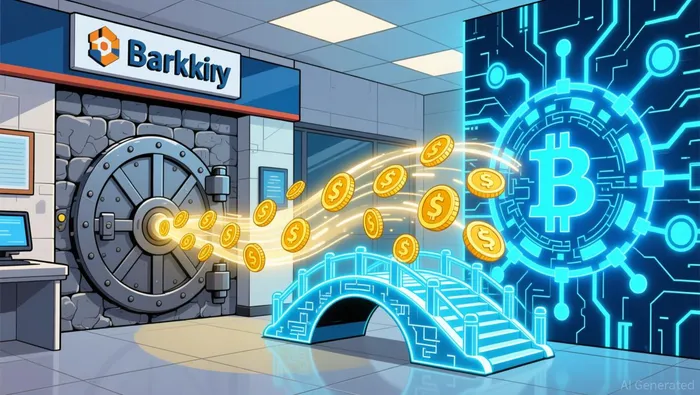
Centrifuge functions by converting real-world invoices and receivables into blockchain-based collateral, allowing asset originators to upload data to the blockchain. These assets are then tokenized into fungible digital instruments available to DeFi investors seeking yield through liquidity pools backed by underlying cash flows. This mechanism enables regulated entities to access credit assets with historically stable cash flows without exiting the blockchain ecosystem.
Recent expansions of compliant on-chain credit pools have lowered entry barriers by adhering to specific legal frameworks. The platform currently sees unique addresses interacting with the network increase to nearly 20,000, indicating growing network activity. Revenue also showed steady growth alongside the expansion of these pools.
What Risks And Limitations Exist In The RWA Tokenization Market?
Significant risks remain regarding the verification of off-chain assets, which relies on robust data feeds and legal enforcement mechanisms. If originators fail to deliver payments or if legal recourse is weak, the value of on-chain tokens could be compromised. Smart contract vulnerabilities and reliance on external oracles introduce additional points of failure that require meticulous management.
Regulatory uncertainty also poses a threat, as changes in digital asset classification or cross-border payment rules could impact the viability of certain asset classes. The initiative to unify Layer-2 rollups through Ethereum's Economic Zone faces skepticism due to its early stage and lack of detailed technical architecture. Early backers like Centrifuge view shared liquidity as valuable, but historical precedents in other ecosystems have led to caution regarding such unification efforts.
How Does The Ethereum Economic Zone Impact Centrifuge And Broader Adoption?
The Ethereum Economic Zone (EEZ) was launched to unify over 20 layer-2 rollups, aiming to eliminate bridge dependencies and reduce liquidity fragmentation. By enabling atomic cross-rollup transactions, the EEZ allows smart contracts to perform synchronous calls with each other and the Ethereum mainnet in a single transaction. This framework is expected to make the network more attractive for institutional investors by addressing liquidity fragmentation where assets are spread across multiple isolated systems.

Blending traditional trading wisdom with cutting-edge cryptocurrency insights.
Latest Articles
Stay ahead of the market.
Get curated U.S. market news, insights and key dates delivered to your inbox.


AInvest
PRO
AInvest
PRO



Comments
No comments yet