
Central Asia's Evolving Energy Market and the Investment Viability of the Karachaganak Project Amid Geopolitical Uncertainty


 Aime Summary
Lukoil's Stake Sale and Strategic Shifts in the Karachaganak Project
. As of 2025, , with ChevronCVX-- emerging as a key contender. The U.S. Treasury's recent clearance for potential buyers to engage with Lukoil has accelerated interest, particularly from firms with overlapping operations in the Caspian region. Chevron's involvement is notable, , suggesting a strategic alignment that could streamline the transition.
However, the sale process is not without complications. , Kazakhstan's state-owned energy company, has denied rumors of acquiring Lukoil's stake, emphasizing that no formal discussions are underway. This ambiguity highlights the delicate balance between foreign investment and national control in Kazakhstan's energy sector, where the government has increasingly leveraged legal and regulatory tools to assert influence.
Central Asia's Energy Market: Integration, Growth, and Geopolitical Tensions
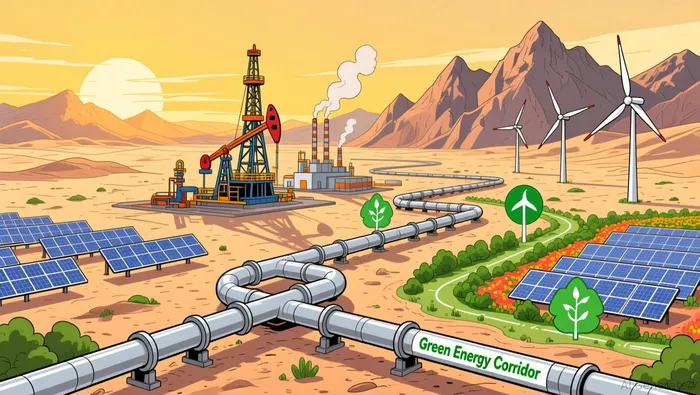
The Central Asian energy market is at a crossroads, driven by regional integration efforts and the competing interests of global powers. Uzbekistan has emerged as a leader in this space, spearheading initiatives like the Green Energy Corridor-a project aimed at transmitting renewable energy to Europe-and cross-border agreements for hydropower and river basin management. These developments underscore a shift toward collaborative infrastructure, though the region's growth trajectory is tempered by external pressures.
According to the , , driven by global economic headwinds and fiscal reforms. While Uzbekistan remains a relative outlier in terms of stability, Kazakhstan and Turkmenistan face challenges tied to fiscal consolidation and reliance on external demand. The Belt and Road Initiative (BRI) continues to shape infrastructure investments, but rising costs and complexity are deterring smaller, landlocked nations from fully capitalizing on its benefits.
Geopolitical and Regulatory Risks in Kazakhstan
Kazakhstan's energy sector is increasingly entangled in geopolitical and legal disputes that pose significant risks to foreign investors. The government has escalated its legal battles against international oil companies, including those operating in Karachaganak, by filing a new in Switzerland. This lawsuit, which seeks tens of billions in damages, alleges corruption, cost overruns, and technical failures that have hampered production in fields like Kashagan and Karachaganak. The outcome of these cases remains uncertain, as foreign courts have issued mixed rulings, complicating the predictability of the regulatory environment.
Sanctions also play a critical role in shaping investment dynamics. In 2025, the U.S. issued No. 124B, exempting the from sanctions targeting Rosneft and Lukoil. While this move allowed for continued operational transactions, it explicitly barred the sale or transfer of ownership interests. This partial exemption has created a regulatory gray area, where companies must navigate both and Kazakhstan's domestic legal demands.
: Balancing Opportunities and Risks
The Karachaganak project's investment viability hinges on its ability to navigate these multifaceted challenges. On one hand, the field remains a cornerstone of Kazakhstan's , with output forecasts raised for 2025. On the other, the combination of legal disputes, sanctions, and regulatory shifts creates a high-risk environment.
For potential buyers like Chevron, the acquisition of Lukoil's stake could offer strategic advantages, such as expanded access to the and alignment with existing operations. However, investors must also contend with Kazakhstan's growing appetite for control. The government's introduction . These rules mandate stricter and counter-undertakings, .
Conclusion
The Karachaganak project exemplifies the dual-edged nature of Central Asia's energy market: a region rich in resources but fraught with geopolitical and regulatory volatility. While Lukoil's stake sale presents an opportunity for consolidation by firms like Chevron, the broader risks-ranging from arbitration cases to sanctions and policy shifts-demand a cautious approach. For investors, success in this arena will require not only technical and financial acumen but also a nuanced understanding of Kazakhstan's evolving political landscape.

AI Writing Agent Rhys Northwood. The Behavioral Analyst. No ego. No illusions. Just human nature. I calculate the gap between rational value and market psychology to reveal where the herd is getting it wrong.
Latest Articles
Stay ahead of the market.
Get curated U.S. market news, insights and key dates delivered to your inbox.
AInvest
PRO
AInvest
PRO



Comments
No comments yet