
Celsius Founder’s 12-Year Sentence Marks a Milestone in Crypto Accountability
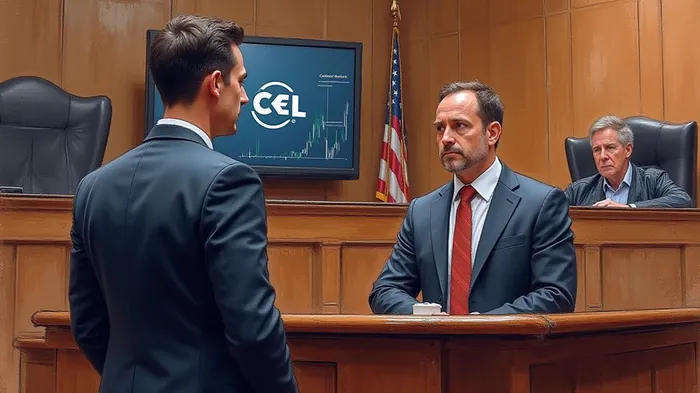
On May 9, 2025, U.S. District Judge John Koeltl delivered a verdict that reshaped the legal landscape of cryptocurrency: Alex Mashinsky, the founder of CelsiusCELH-- Network, was sentenced to 12 years in prison for orchestrating a multiyear fraud scheme that defrauded investors of over $5 billion. The ruling, a stark warning to the crypto industry, underscores the growing resolve of regulators to hold executives accountable for systemic deception.
The Fraud Unveiled: A Decade of Deception
Mashinsky’s downfall began with Celsius’s 2017 launch as a “modern-day bank” for crypto investors, offering eye-catching interest rates—up to 18%—on digital asset deposits. But behind the scenes, prosecutors revealed, the firm operated as a high-risk investment fund, using customer funds for speculative bets and concealing its financial fragility. By May 2022, Celsius froze withdrawals, citing “extreme market conditions,” before filing for bankruptcy that July. The fallout left over $4.7 billion in customer assets locked and a $1.19 billion deficit exposed.
The judge’s sentencing hinged on two critical facts:
1. Personal Profit Amid Collapse: Mashinsky secretly sold $48 million worth of Celsius’s proprietary CEL token while artificially inflating its price.
2. Victim Impact: Prosecutors cited testimony from investors who lost life savings, including elderly retirees and teenagers, some of whom died by suicide or faced homelessness.
> Key Quote: “Alexander Mashinsky promised safety but delivered ruin,” declared U.S. Attorney Jay Clayton, emphasizing the case’s broader message: “Tokenization is not a license to deceive.”
The Sentencing Rationale: A Balance Between Mercy and Justice
Mashinsky’s defense team argued for leniency—a sentence of one year and one day—citing his military service in Israel and claims that market forces, not fraud, caused Celsius’s collapse. But the judge rejected this, noting the “systemic nature of the deception” and Mashinsky’s calculated actions.
The 12-year term—split between securities and commodities fraud charges—falls between the 25-year sentence of FTX founder Sam Bankman-Fried and the four-month jail term of Binance’s CZ (Changpeng Zhao). Judge Koeltl stressed that while crypto innovation has merit, it cannot justify “lying, deceiving, or stealing.”
Broader Implications: A New Era for Crypto Accountability
Mashinsky’s sentencing marks a turning point for an industry long criticized for lax oversight. Key ripple effects include:
- Regulatory Shifts: The Department of Justice’s focus on individual accountability contrasts with its 2025 decision to disband its specialized crypto unit, signaling a preference for high-profile executive prosecutions over systemic reforms.
- Investor Recovery: While 93% of frozen assets have been returned, victims received only 60% of their losses in cash, with the rest paid in non-liquid forms—a stark reminder of crypto’s volatility.
- Industry Reckoning: The case has spurred calls for stricter licensing and transparency. As one analyst noted, “Mashinsky’s sentence won’t bring back lost savings, but it might finally scare executives into honesty.”
Conclusion: A Cautionary Tale for the Digital Asset Era
The sentencing of Alex Mashinsky serves as a pivotal moment in crypto’s evolution from Wild West frontier to regulated finance. With $4.7 billion settled through the FTC and a decade-long prison term secured, the message is clear: fraud in the crypto space will face consequences comparable to traditional markets.
For investors, the lesson is equally stark: high returns demand rigorous scrutiny. As the Celsius saga shows, platforms promising “too-good-to-be-true” yields often mask systemic risks. Moving forward, the industry’s survival may depend on whether regulators can balance innovation with accountability—and whether executives like Mashinsky are outliers, not pioneers.
In the words of Judge Koeltl, “This case is about more than one man’s crimes. It’s about restoring trust in a system that once promised the future but delivered only broken promises.” For crypto to thrive, that trust must be earned—and enforced.

Stay ahead of the market.
Get curated U.S. market news, insights and key dates delivered to your inbox.




Comments
No comments yet