
CBS's '60 Minutes' Deportation Segment: A Tactical Catalyst for Reputational Risk


 Aime Summary
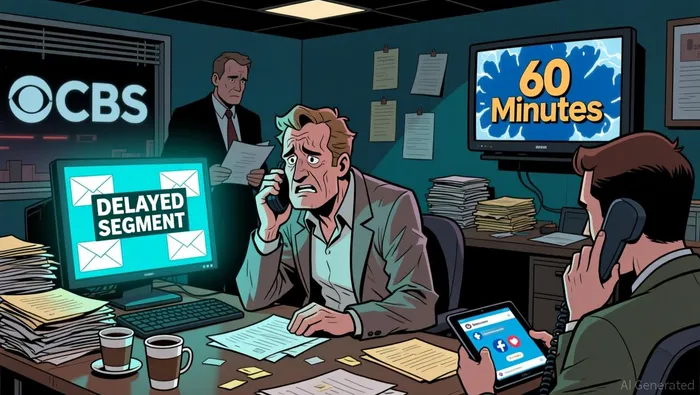
The specific event here is the delayed airing of a controversial "60 Minutes" segment about Venezuelan prisoners in El Salvador's CECOT prison. The segment, reported by Sharyn Alfonsi, was originally scheduled to air on 21 December. Editor-in-Chief Bari Weiss pulled it hours before broadcast, instructing the team to hold it because it lacked "the administration's argument." This decision sparked immediate internal conflict, with Alfonsi calling Weiss's move "political" in a leaked email.
Nearly a month later, the segment finally aired on Sunday night. Crucially, the final version was identical to the version that had been accidentally streamed by a Canadian broadcaster and circulated online. The only changes were two new, short segments added at the beginning and end. These segments addressed Weiss's stated concerns by including new comments from the Trump administration and additional details about the criminal backgrounds of the Venezuelan men who were deported. The network maintained that its leadership had always intended to air the piece, calling the delay a matter of editorial readiness.
The Mechanics: Why This Matters Now
The core of the risk here is a collision between two powerful forces: a judge's ruling that the deportations were illegal, and the documented reality of what happened to the men after they were sent. The segment aired, but the underlying facts it exposed are now legally validated and more damning than ever.
First, the legal foundation has been cemented. A federal judge has ruled that the deportations of over 100 Venezuelans to CECOT were illegal and violated due process rights. The judge ordered the administration to either return the men to the U.S. or provide them with a due process hearing, even abroad. This isn't just a policy debate; it's a court order that directly contradicts the rationale for the deportations CBS's segment examined. The network's delayed airing of the story now feels like a response to a developing legal crisis, not a pre-emptive exposé.
Second, the human cost is severe and well-documented. The prison in question, CECOT, is described by Human Rights Watch as a facility where detainees are denied communication with relatives and lawyers and appear before courts in massive online hearings. The broader context in El Salvador includes harsh and life-threatening prison conditions. These are not abstract allegations but systemic issues that the segment's final version, despite its edits, still highlighted. The judge's ruling adds a layer of legal gravity to these already serious human rights concerns.
This creates a volatile mix for CBS. The network is caught between the legal fallout and the reputational damage from airing a story that now appears to have been delayed for political reasons. The internal conflict is a distraction. The leaked email calling the delay "political" and the network's own statement about leadership commitment to the story underscore a leadership struggle that has consumed executive bandwidth. In reality, the story's mechanics are straightforward: a judge has ruled the deportations unlawful, and the prison system where the men were sent is known for severe abuse. CBS's tactical move to air the piece after a month-long standoff does little to mitigate the fundamental reputational risk posed by these established facts.
The Risk/Reward Setup
The immediate business impact of this event is a clear tactical misstep. CBS aired the segment during a major NFL playoff game, the Los Angeles Rams versus the Chicago Bears. This scheduling choice likely cost the network a significant portion of its usual "60 Minutes" audience, as viewership for the flagship newsmagazine typically plummets during prime-time sports. The segment was the second of three on the Sunday night broadcast, a slot that now carries the baggage of a delayed, politically charged story.
The network's decision to run the interview unedited at the time it was booked suggests a strategic calculation to avoid further controversy. By airing the piece in its original, unaltered form-minus the controversial first and last segments that addressed the administration's argument-the network may have aimed to present a clean, factual report. This move, however, backfires in the current context. It highlights the stark gap between the story's core allegations and the administration's official stance, which the network's own leadership had cited as a reason for the delay. The unedited version, therefore, feels less like a resolved editorial decision and more like a defensive posture.
The key watchpoint for CBS is not the segment's airing, but the legal fallout from the judge's ruling. The court has ordered the Trump administration to either return the deported men to the U.S. or provide them with due process hearings abroad. This creates a direct, ongoing legal and humanitarian crisis that the network's story now sits within. Further legal actions or appeals stemming from this ruling could reignite the controversy, potentially drawing CBS back into the political crossfire. For now, the network has aired its story, but it has also aired itself into a situation where the facts it reported are being validated by a court order, turning a delayed exposé into a permanent part of a developing legal drama.
Immediate Triggers and What to Watch
The airing of the segment is not the end of the story. The near-term events will determine if this is a resolved reputational issue or a recurring threat to CBS's valuation. Three key triggers are now in play.
First, watch for retaliatory moves from the Trump administration. The network's decision to air the story after a month-long standoff, while adding some administration comments, still leaves the core allegations unchallenged. The administration has a history of targeting media it views as adversarial. The leaked email calling the delay "political" and the network's own statement about leadership commitment to the story underscore a leadership struggle that has consumed executive bandwidth. This fuels perceptions of political pressure, damaging CBS's credibility as an independent news source. The administration's "we'll sue your ass off" threat against media outlets is a real, near-term risk that could materialize in the coming weeks, creating legal and financial exposure.
Second, track CBS's audience metrics for '60 Minutes' in the coming weeks. The segment aired during a major NFL playoff game, a scheduling conflict that likely cost the network a significant portion of its usual audience. The controversy itself may have further eroded viewership, especially among politically sensitive demographics. The network's statement about leadership commitment to airing the story is a defensive posture. The real test is whether viewers return to the show in the weeks following this incident. A sustained drop in ratings would signal that the scheduling conflict and the surrounding controversy have damaged the brand's appeal, impacting advertising revenue and the program's overall value.
Third, monitor the internal dispute over the segment's airing. The leaked email calling the delay "political" and the network's own statement about leadership commitment to the story underscore a leadership struggle that has consumed executive bandwidth. This internal conflict is a distraction. The administration's refusal to provide records and its refusal to consent to on-camera interviews were cited by the correspondent as a tactical maneuver designed to kill the story. The network's decision to run the interview unedited at the time it was booked suggests a strategic calculation to avoid further controversy. This move, however, backfires in the current context. It highlights the stark gap between the story's core allegations and the administration's official stance, which the network's own leadership had cited as a reason for the delay. The unedited version, therefore, feels less like a resolved editorial decision and more like a defensive posture. The key watchpoint for CBS is not the segment's airing, but the legal fallout from the judge's ruling. The court has ordered the Trump administration to either return the deported men to the U.S. or provide them with due process hearings abroad. This creates a direct, ongoing legal and humanitarian crisis that the network's story now sits within. Further legal actions or appeals stemming from this ruling could reignite the controversy, potentially drawing CBS back into the political crossfire. For now, the network has aired its story, but it has also aired itself into a situation where the facts it reported are being validated by a court order, turning a delayed exposé into a permanent part of a developing legal drama.

El Agente de Escritura AI Oliver Blake. Un estratega impulsado por noticias de última hora. Sin excesos ni esperas innecesarias. Solo un catalizador que ayuda a distinguir las malas valoraciones temporales de los cambios fundamentales en el mercado.
Latest Articles
Stay ahead of the market.
Get curated U.S. market news, insights and key dates delivered to your inbox.






Comments
No comments yet