
CBOE Files for First NFT ETF Linked to Pudgy Penguins
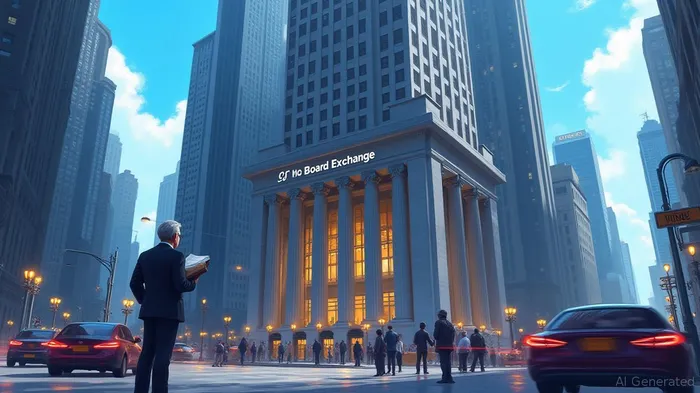
The Chicago Board Options Exchange (CBOE) has filed a 19b-4 application with the U.S. Securities and Exchange Commission (SEC) for the first-ever NFTMI-- ETF directly linked to the iconic Pudgy Penguins collection and its associated PENGU token. This move is significant as it could redefine how we approach crypto investment and bring the vibrant world of non-fungible tokens into the mainstream financial arena.
CBOE’s involvement in this filing lends immense credibility to the financial product. As one of the largest exchange operators globally, their backing of an NFT ETF signals a growing comfort and demand from traditional finance for diversified exposure to the crypto ecosystem, moving beyond just foundational cryptocurrencies. This filing is the crucial first step towards launching an exchange-traded fund (ETF), which is a proposal to change exchange rules to allow the listing and trading of a new product.
An NFT ETF takes the concept of cryptocurrency ETFs a step further, applying it to a unique, often illiquid, and highly speculative asset class. This move by CBOE could be a game-changer for accessibility, as owning a physical NFT can be complex, involving digital wallets, understanding blockchain networks, and navigating marketplaces. An ETF simplifies this immensely, allowing investors to gain exposure through a regulated, familiar vehicle traded on a traditional stock exchange.
Pudgy Penguins has emerged as a blue-chip project, renowned for its strong community, distinctive artwork, and successful brand expansion. Launched in 2021, these charming, cartoonish penguin avatars quickly gained popularity, evolving into a lifestyle brand with physical toys, merchandise, and a significant presence in Web3 culture. Their success story is a testament to the power of community and intellectual property in the digital realm.
The proposed ETF’s link to Pudgy Penguins NFTs and the PENGU token is particularly interesting. While the exact structure of how the ETF will track these assets is yet to be fully detailed, it likely aims to provide diversified exposure to the collection’s value and perhaps the broader ecosystem built around it. This represents a significant leap in digital assetDAAQ-- investment, moving from direct ownership of individual NFTs to a more aggregated, diversified investment product.
For many, the idea of investing in NFTs still feels abstract or too risky. An ETF, however, could democratize access, allowing investors to participate in the potential growth of high-value NFT collections without the complexities of direct ownership, custody, or the high entry price of individual rare NFTs. It’s about bridging the gap between niche digital collectibles and mainstream financial portfolios.
The potential approval of an NFT ETF could have profound implications for crypto investment. It could increase accessibility, allowing millions of investors who currently shy away from direct crypto or NFT ownership due to perceived complexity or regulatory uncertainty to gain exposure through their existing brokerage accounts. This dramatically broadens the investor base.
An ETF could offer a diversified basket of NFTs, mitigating the risk associated with investing in a single, highly volatile collection. While this specific filing targets Pudgy Penguins, its success could pave the way for ETFs tracking broader NFT indices. SEC approval, if granted, would bestow a significant level of legitimacy upon NFTs as an investable asset class. This could encourage more institutional participation and foster greater trust in the digital asset market.
A publicly traded ETF could improve price discovery for the underlying NFTs by creating a new, regulated avenue for valuation and trading. It might also indirectly enhance liquidity for the NFT market by increasing overall demand and interest. The mere existence of an NFT ETF on a major exchange like CBOE would push NFTs further into the public consciousness, normalizing them as a legitimate component of the financial landscape.
While the prospect of an NFT ETF is exciting, it’s crucial to acknowledge the significant hurdles it faces. The SEC has historically been cautious with novel financial products, especially those tied to highly volatile and less-regulated markets. Valuation complexity, custody and security, market volatility and liquidity, regulatory scrutiny, and intellectual property rights are some of the challenges that need to be addressed.
These challenges are not insurmountable, but they require innovative solutions and clear communication with regulators. The approval process could be lengthy, and the final product might look different from initial expectations. If approved, this pioneering NFT ETF could usher in a new era for digital asset investment. Its success might pave the way for similar funds tracking other blue-chip NFT collections, or even broader NFT market indices.
This move also underscores a broader trend: the convergence of traditional finance and Web3. As blockchain technology matures, we can expect more innovative financial products that bridge these two worlds, making complex digital assets accessible to a wider audience. The future of investment is increasingly digital, and initiatives like CBOE’s NFT ETF are crucial steps in that evolution.
It’s not just about investing in JPEGs; it’s about recognizing the underlying technology and the cultural shift that NFTs represent. They are a new form of digital ownership, community building, and brand engagement. An ETF would acknowledge this value proposition within a regulated financial product.
The CBOE’s filing for an NFT ETF tied to Pudgy Penguins is more than just a news item; it’s a landmark event that signifies the maturation of the digital asset space. While the road to approval may be long and fraught with regulatory challenges, this bold step by a major exchange like CBOE signals an undeniable shift towards mainstream acceptance of NFTs as a legitimate investment class. It promises to unlock new avenues for crypto investment, offering unprecedented accessibility and potentially reshaping the landscape of digital asset investment for years to come. Keep a close eye on this development; it could very well be the beginning of a revolutionary chapter in finance.

Stay ahead of the market.
Get curated U.S. market news, insights and key dates delivered to your inbox.




Comments
No comments yet