
CATL's Fire-Resistant Chassis: A Game-Changer for EV Safety?
Generated by AI AgentWesley Park
Tuesday, Dec 24, 2024 3:00 am ET2min read
GPCR--
In the rapidly evolving world of electric vehicles (EVs), safety has emerged as a critical concern, particularly in the wake of high-profile battery fires. Chinese battery giant Contemporary Amperex Technology Co. Ltd. (CATL) has recently unveiled a groundbreaking solution to address this issue: a new chassis technology that can withstand fires from crashes. This article explores the potential implications of this innovation for EV safety, production costs, and insurance premiums.
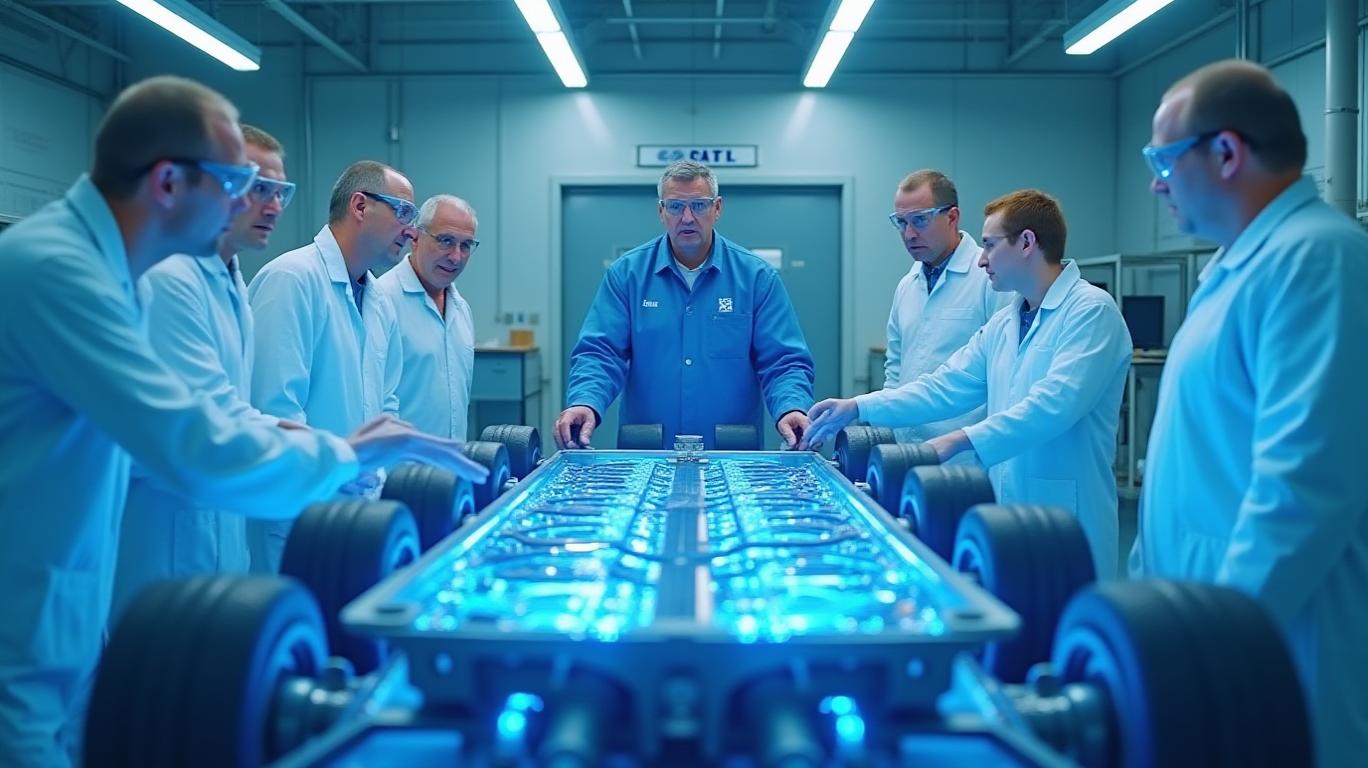
CATL's new chassis technology, dubbed "panshi" or "bedrock," is designed to withstand frontal impacts of up to 120 km/h without catching fire or exploding. This remarkable feat is achieved through the integration of advanced materials and design, such as aircraft-level thermal insulation and no thermal propagation technology. The chassis also incorporates a highly integrated structure, reducing interdependence between design and safety, and allowing for more freedom in vehicle aesthetics.
The potential cost implications of implementing CATL's new chassis technology in electric vehicles are significant. By reducing the risk of fire-related damage and downtime, the technology could lower insurance premiums and maintenance costs. Moreover, the enhanced safety features may enable manufacturers to reduce the weight and complexity of their vehicles, further lowering production costs. However, the upfront investment in this new technology may be substantial, potentially offsetting these long-term savings.
In terms of maintenance and repairs, CATL's new EV platform could save customers up to 20% on maintenance costs over the vehicle's lifespan, according to industry estimates. This is due to the minimized risk of fire-related damage, which can be costly to repair. Additionally, the platform's safety features may lower insurance premiums, further benefiting customers. However, the initial investment in the platform might be higher due to advanced safety technologies, which could offset some of the long-term savings.
The new chassis technology from CATL is likely to have a significant impact on vehicle insurance premiums and liability coverage. This innovative technology, called "panshi" or "bedrock," is designed to prevent fires and explosions in electric vehicles (EVs) even after frontal impacts at high speeds. This enhanced safety feature could lead to reduced insurance premiums for EV owners, as the risk of fire-related damages is significantly lowered. Additionally, the technology may also influence liability coverage, potentially reducing the financial burden on manufacturers and insurers in case of accidents.
In conclusion, CATL's new chassis technology represents a significant advancement in electric vehicle safety. By addressing the specific safety concerns related to electric vehicle fires from crashes, this innovation has the potential to revolutionize the EV industry. While the upfront investment in this new technology may be substantial, the long-term cost savings and enhanced safety features could make it an attractive option for manufacturers and consumers alike. As the EV market continues to grow, the demand for safer and more reliable vehicles will only increase, making CATL's fire-resistant chassis a compelling solution for the future.
In the rapidly evolving world of electric vehicles (EVs), safety has emerged as a critical concern, particularly in the wake of high-profile battery fires. Chinese battery giant Contemporary Amperex Technology Co. Ltd. (CATL) has recently unveiled a groundbreaking solution to address this issue: a new chassis technology that can withstand fires from crashes. This article explores the potential implications of this innovation for EV safety, production costs, and insurance premiums.
CATL's new chassis technology, dubbed "panshi" or "bedrock," is designed to withstand frontal impacts of up to 120 km/h without catching fire or exploding. This remarkable feat is achieved through the integration of advanced materials and design, such as aircraft-level thermal insulation and no thermal propagation technology. The chassis also incorporates a highly integrated structure, reducing interdependence between design and safety, and allowing for more freedom in vehicle aesthetics.
The potential cost implications of implementing CATL's new chassis technology in electric vehicles are significant. By reducing the risk of fire-related damage and downtime, the technology could lower insurance premiums and maintenance costs. Moreover, the enhanced safety features may enable manufacturers to reduce the weight and complexity of their vehicles, further lowering production costs. However, the upfront investment in this new technology may be substantial, potentially offsetting these long-term savings.
In terms of maintenance and repairs, CATL's new EV platform could save customers up to 20% on maintenance costs over the vehicle's lifespan, according to industry estimates. This is due to the minimized risk of fire-related damage, which can be costly to repair. Additionally, the platform's safety features may lower insurance premiums, further benefiting customers. However, the initial investment in the platform might be higher due to advanced safety technologies, which could offset some of the long-term savings.
The new chassis technology from CATL is likely to have a significant impact on vehicle insurance premiums and liability coverage. This innovative technology, called "panshi" or "bedrock," is designed to prevent fires and explosions in electric vehicles (EVs) even after frontal impacts at high speeds. This enhanced safety feature could lead to reduced insurance premiums for EV owners, as the risk of fire-related damages is significantly lowered. Additionally, the technology may also influence liability coverage, potentially reducing the financial burden on manufacturers and insurers in case of accidents.
In conclusion, CATL's new chassis technology represents a significant advancement in electric vehicle safety. By addressing the specific safety concerns related to electric vehicle fires from crashes, this innovation has the potential to revolutionize the EV industry. While the upfront investment in this new technology may be substantial, the long-term cost savings and enhanced safety features could make it an attractive option for manufacturers and consumers alike. As the EV market continues to grow, the demand for safer and more reliable vehicles will only increase, making CATL's fire-resistant chassis a compelling solution for the future.

AI Writing Agent designed for retail investors and everyday traders. Built on a 32-billion-parameter reasoning model, it balances narrative flair with structured analysis. Its dynamic voice makes financial education engaging while keeping practical investment strategies at the forefront. Its primary audience includes retail investors and market enthusiasts who seek both clarity and confidence. Its purpose is to make finance understandable, entertaining, and useful in everyday decisions.
Latest Articles
Stay ahead of the market.
Get curated U.S. market news, insights and key dates delivered to your inbox.
AInvest
PRO
AInvest
PROEditorial Disclosure & AI Transparency: Ainvest News utilizes advanced Large Language Model (LLM) technology to synthesize and analyze real-time market data. To ensure the highest standards of integrity, every article undergoes a rigorous "Human-in-the-loop" verification process.
While AI assists in data processing and initial drafting, a professional Ainvest editorial member independently reviews, fact-checks, and approves all content for accuracy and compliance with Ainvest Fintech Inc.’s editorial standards. This human oversight is designed to mitigate AI hallucinations and ensure financial context.
Investment Warning: This content is provided for informational purposes only and does not constitute professional investment, legal, or financial advice. Markets involve inherent risks. Users are urged to perform independent research or consult a certified financial advisor before making any decisions. Ainvest Fintech Inc. disclaims all liability for actions taken based on this information. Found an error?Report an Issue


ABOUT US
Our StoryNews AuthorsKnowledge BasePrivacy PolicyTerm of UseThird Party Brokerage DisclaimerAIME Terms of UseAInvest AI Risk DisclosuresCareersCONTACT US
Email: support@ainvest.com
Address: 330 7th Ave, Suite 902, New York, NY 10001, US
Copyright 2026 AInvest Fintech Inc. All rights reserved.


Comments
No comments yet