
Cathie Wood Sees 20% U.S. Digital Asset Resurgence Amid Tariff Turmoil
In the midst of political turmoil and market volatility, Cathie Wood, the CEO of Ark Invest, has identified a significant trend: the resurgence of digital assets in the United States. This shift is particularly notable given the recent tariff discussions led by Donald Trump, which initially caused market instability. However, Wood sees this as an opportunity for sectors that have long been overshadowed by regulation and political conservatism to gain traction.
Wood's optimism is rooted in the resilience shown by digital assets during the tariff-related market turmoil. While traditional sectors experienced significant volatility, key cryptocurrencies and blockchain companies remained relatively stable. This resilience suggests that the digital assets revolution, which had been gaining momentum internationally, is now finding renewed strength within the U.S. Wood believes that this is more than just a temporary rebound; it signals a broader shift in the long-term trajectory of both equities and digital assets.
Cathie Wood has consistently advocated for disruptive technologies, from TeslaTSLA-- to Bitcoin. Her current focus on digital assets is driven by the belief that the U.S. is at a pivotal moment in its relationship with this emerging sector. She argues that the country has been on the brink of losing the digital assets revolution to other nations but is now seeing a shift in momentum. This resurgence is attributed to increased regulatory clarity and a growing recognition among lawmakers that fostering innovation domestically is crucial for long-term economic success.
One of the primary reasons the U.S. nearly lost its position in the crypto race was the uncertainty surrounding regulation. However, recent steps by regulators to create frameworks for blockchain companies, digital tokens, and exchanges have begun to legitimize the space. This regulatory clarity is attracting capital back to the U.S., with many builders and investors who had previously considered setting up in Asia or Europe now re-evaluating their options. Wood's insights suggest that as regulation continues to normalize, innovation and investment in the digital assets sector will likely increase.
Wood also believes that the resurgence in digital assets could have broader implications for traditional markets. The integration of blockchain-based infrastructure and digital asset strategies by companies could inject new life into underperforming stock sectors. As investors increasingly recognize the interconnectedness of crypto and traditional markets, the success of one could drive the success of the other. This interconnectedness is a key factor in Wood's belief that the digital assets revolution is not just about the rise of specific cryptocurrencies but about a foundational shift in how value, ownership, and global competitiveness are understood.
In conclusion, the market volatility sparked by tariff discussions may have inadvertently ignited a renewed focus on innovation within the U.S. With regulatory frameworks becoming more balanced and Cathie Wood's insights guiding sentiment, the future of finance appears to be heading back to the U.S., one block at a time. This shift could mark a turning point not just for digital assets but for the broader financial landscape, as the country reclaims its leadership role in the digital assets revolution. 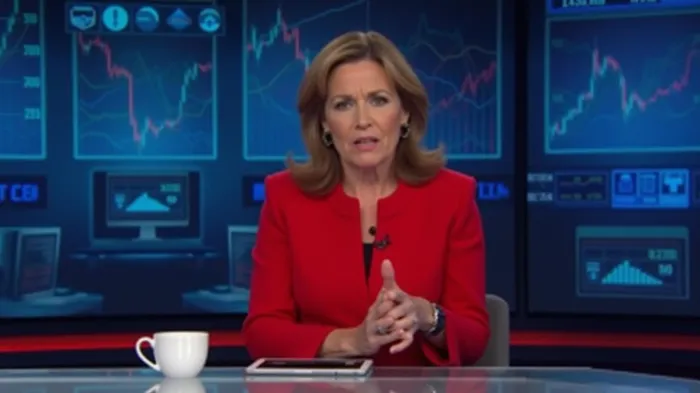

Stay ahead of the market.
Get curated U.S. market news, insights and key dates delivered to your inbox.


AInvest
PRO
AInvest
PRO



Comments
No comments yet