
The Catalysts Behind Crypto's Q4 Collapse – and Why This May Signal a Buying Opportunity


 Aime Summary
The Catalysts: Leverage, Macroeconomics, and Institutional Retreat
The Q4 crash was driven by three interlocking factors. First, excessive leverage among retail and institutional traders created a self-fulfilling cycle of liquidations. Over $1 billion in leveraged positions were wiped out during the selloff, with Ethereum and Bitcoin bearing the brunt of the damage according to market analysis. Second, macroeconomic uncertainty played a pivotal role. Diminishing expectations for Federal Reserve rate cuts and hawkish rhetoric from policymakers triggered a risk-off sentiment, diverting capital away from crypto-linked assets according to financial reports. Third, institutional withdrawals exacerbated the downturn. Over $3.6 billion in Bitcoin was pulled from exchanges since early November, reducing liquidity and amplifying volatility according to exchange data.
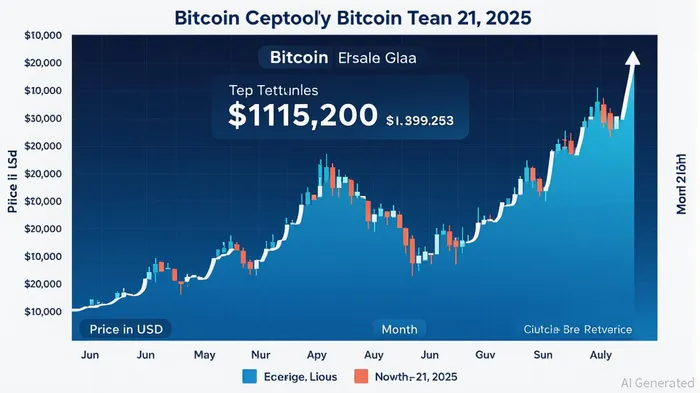 The result? A market in freefall. The Crypto Fear and Greed Index plunged into the "extreme fear" zone, a level historically associated with capitulation and prolonged bearish sentiment according to market indicators. Analysts at Bernstein, however, caution against viewing this as the start of a long-term bear market. They argue that the Clarity Act-a regulatory framework expected to bring institutional-grade oversight to crypto-could catalyze renewed interest in 2026 according to analyst commentary.
The Contrarian Case: A Looming Reset and Structural Resilience
For value investors, the Q4 collapse represents a leverage reset rather than a systemic failure. According to a report by Lever.io, the $19 billion in liquidated positions has normalized funding rates and removed overleveraged speculators, reducing future volatility risks according to data from Lever.io. This "cleansing" of weak hands has created a more stable environment for fundamentals to drive price action.
Structural factors also suggest long-term optimism. DeFi platforms like AaveAAVE-- and Kamino Lend demonstrated resilience during the crash, handling liquidations with zero bad debt and outperforming centralized exchanges according to DeFi performance data. Meanwhile, projects such as Mutuum Finance-a lending-focused DeFi protocol-showed robust adoption during the downturn. Its presale raised nearly $20 million by November 2025, with token prices surging 250% across six phases. Such on-chain activity underscores crypto's capacity to innovate even in bear markets.
Regulatory clarity is another tailwind. The Clarity Act, set to finalize in early 2026, is expected to attract institutional capital by standardizing compliance frameworks according to market forecasts. This could mirror the 2021 ETF-driven rally, where regulatory progress catalyzed mainstream adoption.
Strategic Entry Points: Timing the Bottom
Identifying entry points in a collapsing market is fraught with risk, but historical patterns and macroeconomic shifts offer guidance. Bitcoin's price rebounded 11.4% within 72 hours of the Q4 crash, suggesting short-term overselling according to market data. For long-term investors, this volatility creates opportunities to dollar-cost average into positions.
Key entry levels to monitor include Bitcoin's $84,000–$86,000 support range according to technical analysis, where institutional buyers have historically stepped in. Ethereum's $2,500–$2,700 range could also serve as a floor, given its role as a bellwether for risk assets. Altcoins like Solana, while more volatile, may offer asymmetric upside if macroeconomic conditions stabilize.
The Long Game: Why This May Be a Buying Opportunity
Contrarian investing in crypto hinges on a dislocation between short-term pain and long-term potential. The Q4 crash has accelerated attention toward utility-driven sectors like AI integration, DePIN (Decentralized Physical Infrastructure Networks), and cross-chain infrastructure, which are less speculative and more aligned with real-world adoption according to market trends.
Moreover, Bitcoin's supply dynamics remain bullish. The 2024 halving event reduced block rewards by 50%, creating a deflationary tailwind that could drive prices higher as demand outpaces supply according to supply analysis. Historically, Q4 has been a strong period for Bitcoin, with the Federal Reserve's easing cycle expected to continue in 2026 according to economic forecasts.
Conclusion: Navigating the Storm
The Q4 2025 collapse was brutal, but it also laid bare the crypto market's structural weaknesses and strengths. For contrarian investors, the key is to separate panic from opportunity. By focusing on leverage resets, regulatory progress, and on-chain innovation, long-term holders can position themselves to capitalize on what may be the next bull market's foundation.
As always, patience and discipline are paramount. The road to recovery may be bumpy, but history suggests that those who buy during capitulation often reap the greatest rewards.

Delivering real-time insights and analysis on emerging financial trends and market movements.
Latest Articles
Stay ahead of the market.
Get curated U.S. market news, insights and key dates delivered to your inbox.


AInvest
PRO
AInvest
PRO



Comments
No comments yet