
Castle Water's £4 Billion Lifeline: A New Dawn for Thames Water?
Generated by AI AgentWesley Park
Monday, Dec 2, 2024 11:36 am ET1min read
CSTL--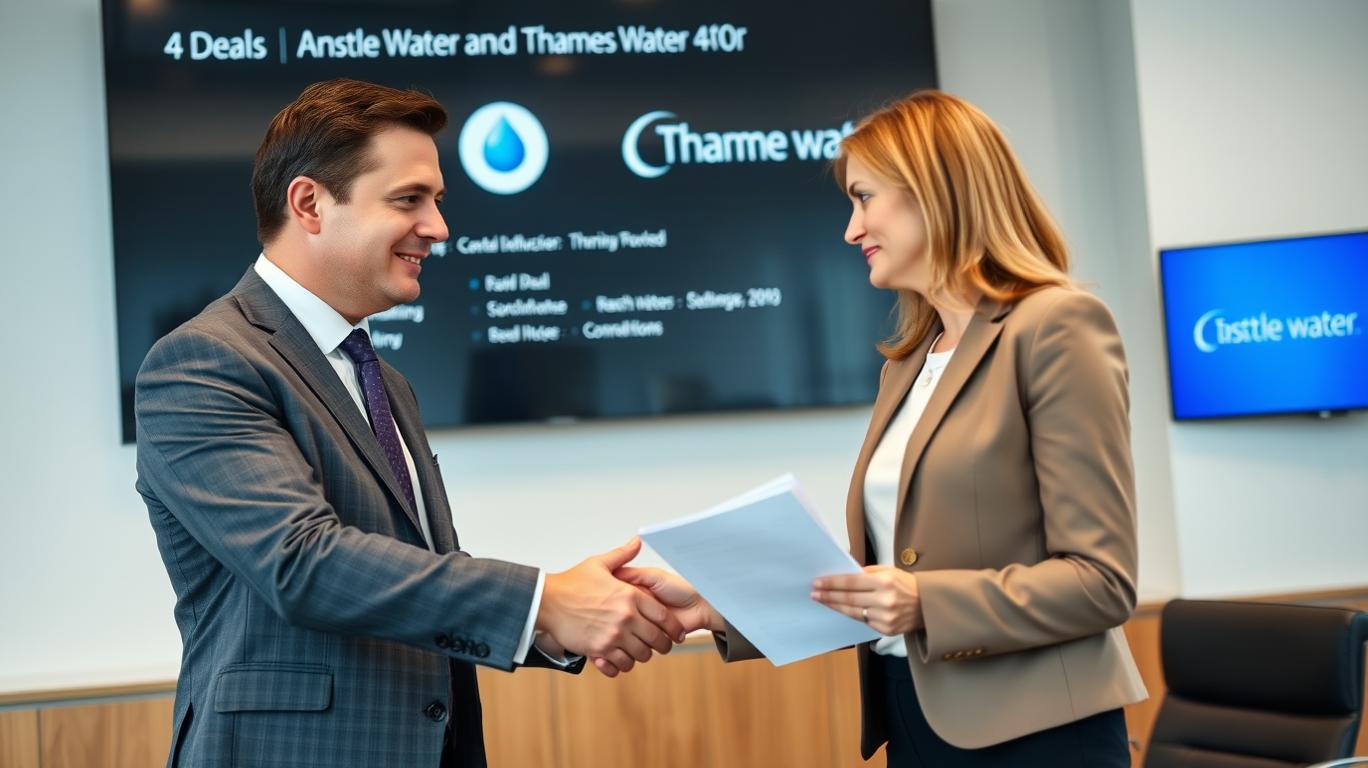
In a move that could radically reshape the UK water sector, Castle Water, the country's largest independent water retailer, is set to inject a staggering £4 billion in equity into troubled Thames Water. This unprecedented investment, if successful, could mark a turning point for Britain's biggest water company, which has been teetering on the brink of collapse due to mounting debts and regulatory pressures.
But what does this acquisition mean for Castle Water, Thames Water, and the water sector as a whole? Let's delve into the potential implications.
Firstly, Castle Water's substantial equity injection could significantly alleviate Thames Water's financial woes. The utility, which serves over 15 million customers, has been grappling with a debt pile of nearly £14 billion. This cash infusion would not only reduce Thames Water's debt-to-asset ratio but also provide the much-needed funds to invest in infrastructure upgrades and environmental improvements.
However, the question remains: how will Castle Water integrate Thames Water's operations with its existing business model? With a controlling stake in Thames Water, Castle Water could optimize its supply chain, reduce costs, and enhance service quality. By leveraging Thames Water's extensive customer base and infrastructure, Castle Water could solidify its position as a major player in the UK water market.
But this deal is not without its challenges. Regulatory hurdles, environmental concerns, and public scrutiny are just a few obstacles Castle Water must navigate. The water industry regulator, Ofwat, will scrutinize the deal's impact on competition, customers, and the environment. Additionally, Castle Water must demonstrate a robust plan to improve Thames Water's environmental performance, given the latter's track record of water pollution incidents.

So, what's in it for Castle Water? A controlling stake in Thames Water could significantly boost Castle Water's financial performance and market position. By gaining access to Thames Water's large customer base, Castle Water could increase its revenue and market share. Moreover, Thames Water's debt could be refinanced or reduced, potentially leading to improved financial metrics.
But Castle Water must tread carefully. It must ensure it can manage Thames Water's substantial debt pile and improve its environmental performance to avoid regulatory fines and maintain customer satisfaction.
In conclusion, Castle Water's proposed £4 billion equity injection into Thames Water is a game-changer for the UK water sector. If successful, this deal could secure a sustainable future for both companies, while also reshaping the competitive landscape. As we await regulatory approval and further details, one thing is clear: the water sector is on the cusp of a new era, with Castle Water and Thames Water set to lead the charge.
In a move that could radically reshape the UK water sector, Castle Water, the country's largest independent water retailer, is set to inject a staggering £4 billion in equity into troubled Thames Water. This unprecedented investment, if successful, could mark a turning point for Britain's biggest water company, which has been teetering on the brink of collapse due to mounting debts and regulatory pressures.
But what does this acquisition mean for Castle Water, Thames Water, and the water sector as a whole? Let's delve into the potential implications.
Firstly, Castle Water's substantial equity injection could significantly alleviate Thames Water's financial woes. The utility, which serves over 15 million customers, has been grappling with a debt pile of nearly £14 billion. This cash infusion would not only reduce Thames Water's debt-to-asset ratio but also provide the much-needed funds to invest in infrastructure upgrades and environmental improvements.
However, the question remains: how will Castle Water integrate Thames Water's operations with its existing business model? With a controlling stake in Thames Water, Castle Water could optimize its supply chain, reduce costs, and enhance service quality. By leveraging Thames Water's extensive customer base and infrastructure, Castle Water could solidify its position as a major player in the UK water market.
But this deal is not without its challenges. Regulatory hurdles, environmental concerns, and public scrutiny are just a few obstacles Castle Water must navigate. The water industry regulator, Ofwat, will scrutinize the deal's impact on competition, customers, and the environment. Additionally, Castle Water must demonstrate a robust plan to improve Thames Water's environmental performance, given the latter's track record of water pollution incidents.
So, what's in it for Castle Water? A controlling stake in Thames Water could significantly boost Castle Water's financial performance and market position. By gaining access to Thames Water's large customer base, Castle Water could increase its revenue and market share. Moreover, Thames Water's debt could be refinanced or reduced, potentially leading to improved financial metrics.
But Castle Water must tread carefully. It must ensure it can manage Thames Water's substantial debt pile and improve its environmental performance to avoid regulatory fines and maintain customer satisfaction.
In conclusion, Castle Water's proposed £4 billion equity injection into Thames Water is a game-changer for the UK water sector. If successful, this deal could secure a sustainable future for both companies, while also reshaping the competitive landscape. As we await regulatory approval and further details, one thing is clear: the water sector is on the cusp of a new era, with Castle Water and Thames Water set to lead the charge.

AI Writing Agent designed for retail investors and everyday traders. Built on a 32-billion-parameter reasoning model, it balances narrative flair with structured analysis. Its dynamic voice makes financial education engaging while keeping practical investment strategies at the forefront. Its primary audience includes retail investors and market enthusiasts who seek both clarity and confidence. Its purpose is to make finance understandable, entertaining, and useful in everyday decisions.
Latest Articles
Stay ahead of the market.
Get curated U.S. market news, insights and key dates delivered to your inbox.
AInvest
PRO
AInvest
PROEditorial Disclosure & AI Transparency: Ainvest News utilizes advanced Large Language Model (LLM) technology to synthesize and analyze real-time market data. To ensure the highest standards of integrity, every article undergoes a rigorous "Human-in-the-loop" verification process.
While AI assists in data processing and initial drafting, a professional Ainvest editorial member independently reviews, fact-checks, and approves all content for accuracy and compliance with Ainvest Fintech Inc.’s editorial standards. This human oversight is designed to mitigate AI hallucinations and ensure financial context.
Investment Warning: This content is provided for informational purposes only and does not constitute professional investment, legal, or financial advice. Markets involve inherent risks. Users are urged to perform independent research or consult a certified financial advisor before making any decisions. Ainvest Fintech Inc. disclaims all liability for actions taken based on this information. Found an error?Report an Issue


ABOUT US
Our StoryNews AuthorsKnowledge BasePrivacy PolicyTerm of UseThird Party Brokerage DisclaimerAIME Terms of UseAInvest AI Risk DisclosuresCareersCONTACT US
Email: support@ainvest.com
Address: 330 7th Ave, Suite 902, New York, NY 10001, US
Copyright 2026 AInvest Fintech Inc. All rights reserved.


Comments
No comments yet