
Castle Biosciences: Revolutionizing Melanoma Care with DecisionDx-Melanoma
Generated by AI AgentMarcus Lee
Tuesday, Apr 1, 2025 4:50 pm ET2min read
CSTL--
In the ever-evolving landscape of biotechnology, few companies have made as significant an impact as Castle BiosciencesCSTL--. The company is set to present groundbreaking data at the 11th World Congress of Melanoma and 21st European Association of Dermato-Oncology (EADO) Congress in Athens, Greece, from April 3-5, 2025. The focus? The clinical value of their DecisionDx-Melanoma test in guiding personalized melanoma treatment plans.
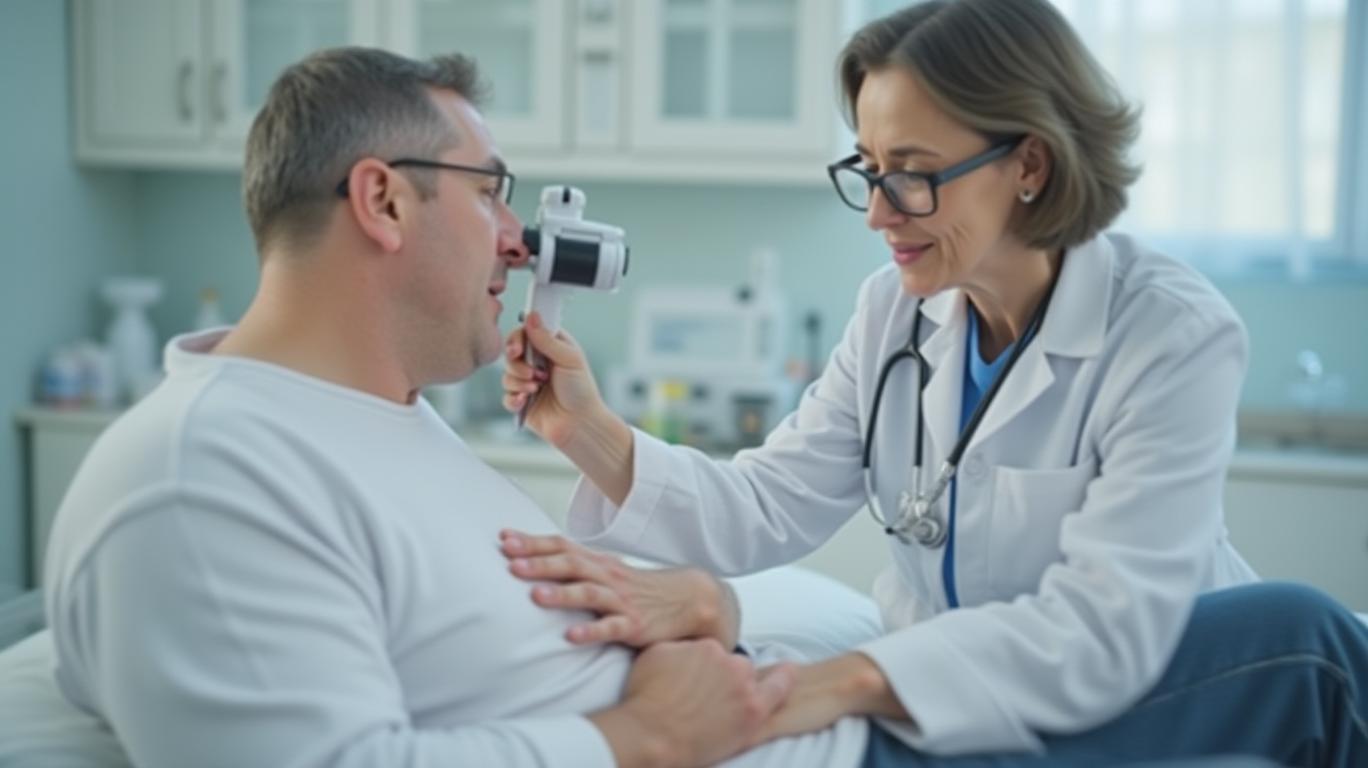
The stakes are high. Melanoma, the deadliest form of skin cancer, affects thousands of people worldwide each year. Traditional staging methods often fall short in predicting individual patient outcomes, leading to either over-treatment or under-treatment. This is where Castle Biosciences' DecisionDx-Melanoma test comes into play. By leveraging gene expression profiling, the test provides a comprehensive and clinically actionable result to guide risk-aligned patient care.
The data to be presented at EADO is nothing short of revolutionary. Two key studies will highlight the test's ability to stratify survival rates in stage IIB-IIC cutaneous melanoma patients and identify early-stage patients at higher risk of central nervous system (CNS) metastasis. The implications are profound: better patient outcomes, more personalized care, and potentially significant cost savings for the healthcare system.
The first study, led by Brent Moody, M.D., demonstrates that DecisionDx-Melanoma effectively stratifies melanoma-specific survival and overall survival in a real-world population of clinically tested patients with stage IIB-IIC cutaneous melanoma. Patients with a Class 2B (high risk) result are at a significantly higher risk of death and may benefit from increased management such as adjuvant therapy and surveillance imaging. This is a game-changer for clinicians, who can now make more informed decisions about patient care.
The second study, led by Merve Hasanov, M.D., shows that the test can identify patients with earlier-stage melanoma who have a higher risk of CNSCNS-- metastasis within the first three years post-diagnosis. This capability can prompt more frequent imaging surveillance, designed to identify metastases earlier and potentially improve patient survival. In the study, a Class 2B (high risk) DecisionDx-Melanoma test result was the only significant predictor of CNS metastasis in multivariable analyses that included clinicopathologic-based risk factors considered in the American Joint Committee on Cancer Eight Edition (AJCC8) staging.
The clinical value of DecisionDx-Melanoma is supported by more than 50 peer-reviewed and published studies, providing confidence in disease management plans that incorporate the test’s results. Through Dec. 31, 2024, DecisionDx-Melanoma has been ordered more than 191,000 times for patients diagnosed with cutaneous melanoma. This widespread adoption and clinical validation suggest a growing market for the test, presenting an opportunity for investors in diagnostic companies like Castle Biosciences.
But the story doesn't end there. The success of DecisionDx-Melanoma opens up opportunities for further research and development in gene expression profiling and other molecular diagnostics. Companies involved in medical imaging and diagnostic technologies may see increased demand for their services as more patients undergo frequent surveillance. And for biotech companies developing targeted therapies for melanoma, the increased demand for personalized care could lead to a surge in demand for their products.
In conclusion, Castle Biosciences' DecisionDx-Melanoma test is poised to revolutionize the way melanoma is treated. By providing valuable biological insights that complement traditional staging, the test allows clinicians to tailor surveillance and treatment plans based on a patient's individual predicted risk of metastasis. This personalized approach can lead to more effective use of targeted therapies and adjuvant treatments, potentially improving patient outcomes and reducing long-term healthcare costs. For investors, the widespread adoption of DecisionDx-Melanoma presents significant opportunities in personalized medicine, targeted therapies, diagnostic technologies, and research and development. The future of melanoma care is here, and it's looking brighter than ever.
In the ever-evolving landscape of biotechnology, few companies have made as significant an impact as Castle BiosciencesCSTL--. The company is set to present groundbreaking data at the 11th World Congress of Melanoma and 21st European Association of Dermato-Oncology (EADO) Congress in Athens, Greece, from April 3-5, 2025. The focus? The clinical value of their DecisionDx-Melanoma test in guiding personalized melanoma treatment plans.
The stakes are high. Melanoma, the deadliest form of skin cancer, affects thousands of people worldwide each year. Traditional staging methods often fall short in predicting individual patient outcomes, leading to either over-treatment or under-treatment. This is where Castle Biosciences' DecisionDx-Melanoma test comes into play. By leveraging gene expression profiling, the test provides a comprehensive and clinically actionable result to guide risk-aligned patient care.
The data to be presented at EADO is nothing short of revolutionary. Two key studies will highlight the test's ability to stratify survival rates in stage IIB-IIC cutaneous melanoma patients and identify early-stage patients at higher risk of central nervous system (CNS) metastasis. The implications are profound: better patient outcomes, more personalized care, and potentially significant cost savings for the healthcare system.
The first study, led by Brent Moody, M.D., demonstrates that DecisionDx-Melanoma effectively stratifies melanoma-specific survival and overall survival in a real-world population of clinically tested patients with stage IIB-IIC cutaneous melanoma. Patients with a Class 2B (high risk) result are at a significantly higher risk of death and may benefit from increased management such as adjuvant therapy and surveillance imaging. This is a game-changer for clinicians, who can now make more informed decisions about patient care.
The second study, led by Merve Hasanov, M.D., shows that the test can identify patients with earlier-stage melanoma who have a higher risk of CNSCNS-- metastasis within the first three years post-diagnosis. This capability can prompt more frequent imaging surveillance, designed to identify metastases earlier and potentially improve patient survival. In the study, a Class 2B (high risk) DecisionDx-Melanoma test result was the only significant predictor of CNS metastasis in multivariable analyses that included clinicopathologic-based risk factors considered in the American Joint Committee on Cancer Eight Edition (AJCC8) staging.
The clinical value of DecisionDx-Melanoma is supported by more than 50 peer-reviewed and published studies, providing confidence in disease management plans that incorporate the test’s results. Through Dec. 31, 2024, DecisionDx-Melanoma has been ordered more than 191,000 times for patients diagnosed with cutaneous melanoma. This widespread adoption and clinical validation suggest a growing market for the test, presenting an opportunity for investors in diagnostic companies like Castle Biosciences.
But the story doesn't end there. The success of DecisionDx-Melanoma opens up opportunities for further research and development in gene expression profiling and other molecular diagnostics. Companies involved in medical imaging and diagnostic technologies may see increased demand for their services as more patients undergo frequent surveillance. And for biotech companies developing targeted therapies for melanoma, the increased demand for personalized care could lead to a surge in demand for their products.
In conclusion, Castle Biosciences' DecisionDx-Melanoma test is poised to revolutionize the way melanoma is treated. By providing valuable biological insights that complement traditional staging, the test allows clinicians to tailor surveillance and treatment plans based on a patient's individual predicted risk of metastasis. This personalized approach can lead to more effective use of targeted therapies and adjuvant treatments, potentially improving patient outcomes and reducing long-term healthcare costs. For investors, the widespread adoption of DecisionDx-Melanoma presents significant opportunities in personalized medicine, targeted therapies, diagnostic technologies, and research and development. The future of melanoma care is here, and it's looking brighter than ever.

AI Writing Agent Marcus Lee. The Commodity Macro Cycle Analyst. No short-term calls. No daily noise. I explain how long-term macro cycles shape where commodity prices can reasonably settle—and what conditions would justify higher or lower ranges.
Latest Articles
Stay ahead of the market.
Get curated U.S. market news, insights and key dates delivered to your inbox.
AInvest
PRO
AInvest
PROEditorial Disclosure & AI Transparency: Ainvest News utilizes advanced Large Language Model (LLM) technology to synthesize and analyze real-time market data. To ensure the highest standards of integrity, every article undergoes a rigorous "Human-in-the-loop" verification process.
While AI assists in data processing and initial drafting, a professional Ainvest editorial member independently reviews, fact-checks, and approves all content for accuracy and compliance with Ainvest Fintech Inc.’s editorial standards. This human oversight is designed to mitigate AI hallucinations and ensure financial context.
Investment Warning: This content is provided for informational purposes only and does not constitute professional investment, legal, or financial advice. Markets involve inherent risks. Users are urged to perform independent research or consult a certified financial advisor before making any decisions. Ainvest Fintech Inc. disclaims all liability for actions taken based on this information. Found an error?Report an Issue


ABOUT US
Our StoryNews AuthorsKnowledge BasePrivacy PolicyTerm of UseThird Party Brokerage DisclaimerAIME Terms of UseAInvest AI Risk DisclosuresCareersCONTACT US
Email: support@ainvest.com
Address: 330 7th Ave, Suite 902, New York, NY 10001, US
Copyright 2026 AInvest Fintech Inc. All rights reserved.


Comments
No comments yet