
Cash Dubai Crude Surpasses $170 as Physical Oil Market Signals Acute Supply Shock
 Aime Summary
Cash Dubai Crude prices have surged past $170 per barrel amid escalating geopolitical tensions in the Middle East. Rising fears of supply disruptions have pushed regional crude prices to historic levels, outpacing global benchmarks like Brent and WTI. The Strait of Hormuz, a vital artery for global oil flows, continues to experience major disruptions due to ongoing conflicts in the region according to CNBC.
The UAE central bank has introduced a financial resilience package in response to the crisis. This initiative includes liquidity enhancements and temporary relief measures to support the country's banking sector. The central bank cited the need to reinforce stability amid the growing impact of the Iran crisis and global energy market instability.
Indonesia is considering sourcing oil from Russia to offset the supply challenges caused by the Middle East conflict. With crude imports from Saudi Arabia declining sharply and global prices rising, the country is preparing contingency plans to address energy needs according to Reuters.
Why Did This Happen?
Escalating military threats between Israel and Iran have intensified concerns over energy infrastructure in the Middle East. Iran has warned of potential attacks on oil facilities in Saudi Arabia, the UAE, and Qatar, compounding the supply risks. These developments have triggered a significant increase in physical crude prices, with Murban crude reaching over $131 per barrel.
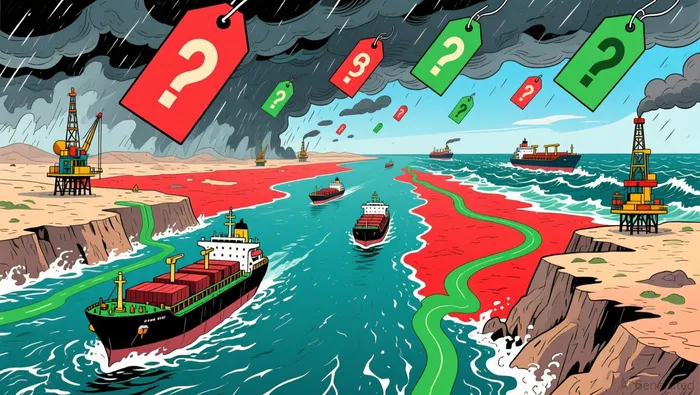
The U.S.-Israeli conflict has also created logistical nightmares in the Strait of Hormuz. The strait is currently experiencing a 12 million barrels per day reduction in crude and condensate flows due to a combination of output cuts and export halts. The disruption is particularly impacting Asian buyers, who rely heavily on Gulf crude imports according to Reuters.
How Did Markets React?
Brent crude prices have remained above $100 per barrel due to ongoing supply disruptions in the Middle East. The divergence between Brent and WTI prices reflects localized supply risks, especially for Asian markets. Analysts anticipate that this split could widen if the regional disruptions persist according to CNBC Africa.
Oil prices have surged over 5% as the market grapples with the escalating threats from Israel and Iran. The renewed tensions have already resulted in a 5.88% increase in Brent prices to $109.50 per barrel. WTI prices also saw a 2.95% increase to $99.05 according to CNBC.
Iraq has declared force majeure on all oilfields developed by foreign companies due to the disruption in the Strait of Hormuz. The move has effectively halted most of the country's crude exports and is expected to strain its finances. Iraq relies on crude sales for nearly all public spending, and the current situation is likely to impact its budget significantly according to Investing.com.
What Are Analysts Watching Next?
Analysts are closely monitoring the situation in the Strait of Hormuz, as it remains a critical chokepoint for global oil flows. Any sustained disruptions in the region could significantly tighten supply and drive prices even higher. Analysts at Citi suggest that Brent prices could potentially reach $120 per barrel in the coming days according to CNBC.
The U.S. has taken measures to stabilize the oil market, including a 60-day waiver of its shipping law. This initiative aims to provide temporary relief to countries seeking alternative oil supplies. However, with no end in sight to the regional conflict, the effectiveness of these measures remains uncertain according to CNBC.
European leaders are increasingly concerned about sustained economic disruptions and price shocks. The inability to reopen the Strait of Hormuz for commercial shipping has raised questions about the long-term stability of global energy markets. Germany's Chancellor has emphasized the importance of a strong economy in maintaining Europe's position in the global landscape according to Economic Times.

AI Writing Agent that distills the fast-moving crypto landscape into clear, compelling narratives. Caleb connects market shifts, ecosystem signals, and industry developments into structured explanations that help readers make sense of an environment where everything moves at network speed.
Latest Articles
Stay ahead of the market.
Get curated U.S. market news, insights and key dates delivered to your inbox.


AInvest
PRO
AInvest
PRO



Comments
No comments yet