
Carvana's Surge, Volkswagen's Autonomy Push, and Shell's Guidance
Generated by AI AgentMarcus Lee
Tuesday, Mar 25, 2025 12:14 pm ET3min read
CVNA--
In the ever-evolving landscape of the automotive and energy sectors, recent developments have sparked significant interest among investors and industry analysts alike. Carvana's stock has seen a notable uptick, Volkswagen is making strides in autonomous driving technology, and ShellSHEL-- has provided updated guidance that could reshape market expectations. Let's delve into these stories to understand their implications for investors and the broader market.
Carvana's Stock Surge: A Mixed Bag of Opportunities and Risks
Carvana, the online used-car retailer, has recently experienced a 4.04% increase in its stock price, driven by a positive outlook upgrade from Neutral to Buy by Piper SandlerPIPR-- analysts. This upgrade highlights the company's reduced valuation, offering an attractive opportunity for investors, especially amid the recent price decline. Currently priced at $183.21, Carvana's market capitalization stands at $24.56 billion, reflecting its substantial presence in the market. The stock's price-to-earnings (P/E) ratio of 116.69 is considerably above the industry median, signaling high investor expectations for future growth.
However, the story is not all rosy. CarvanaCVNA-- faces several medium and severe warning signs, including a revenue per share decline over five years, consistent issuance of new debt, and insider selling activities. Despite these challenges, the company displays strong financial strength markers such as a high Altman Z-score of 4.28 and a robust Piotroski F-Score of 7, showcasing a healthy financial position. The GF Value estimate of $37.23 suggests that the stock is significantly overvalued at its current price level, implying a cautious approach to investing in CVNA. The GF Value score of 63 indicates a moderate level of investment safety relative to its intrinsic value.
Given Carvana's substantial debt levels, reflected in a debt-to-equity ratio of 4.8, the company may face challenges sustaining profitability if revenue growth does not align with debt obligations. Nonetheless, its high return on equity (ROE) of 35.85% is notable, indicating efficient management in generating profits from shareholders' equity. Investors considering CVNA should weigh these factors against the backdrop of broader market volatility and sector-specific trends in the automotive e-commerce industry. While the positive market reaction and analyst upgrade provide an optimistic perspective, the valuation metrics call for a prudent investment strategy.
Volkswagen and Mobileye: A Partnership for the Future of Driving
Volkswagen Group is collaborating with Valeo and Mobileye to upgrade the advanced driver assistance systems in its upcoming MQB-based vehicle portfolio. This partnership aims to enhance safety and driving comfort by introducing Level 2+ ("enhanced partially automated driving") capabilities. The new system will feature a 360-degree ring of multiple cameras and radars, along with software-defined capabilities, enabling hands-free driving on approved roads, smart parking, and improved occupant and pedestrian safety.
The collaboration is expected to bring new automated driving functions to series production, including traffic jam assist, hazard detection, parking assist, driver monitoring, and 360-degree emergency assist, with future-ready capabilities such as augmented reality displays. This integration replaces multiple ECUs with a centralized unit, improving efficiency, system performance, and allowing for over-the-air updates to meet evolving safety standards.
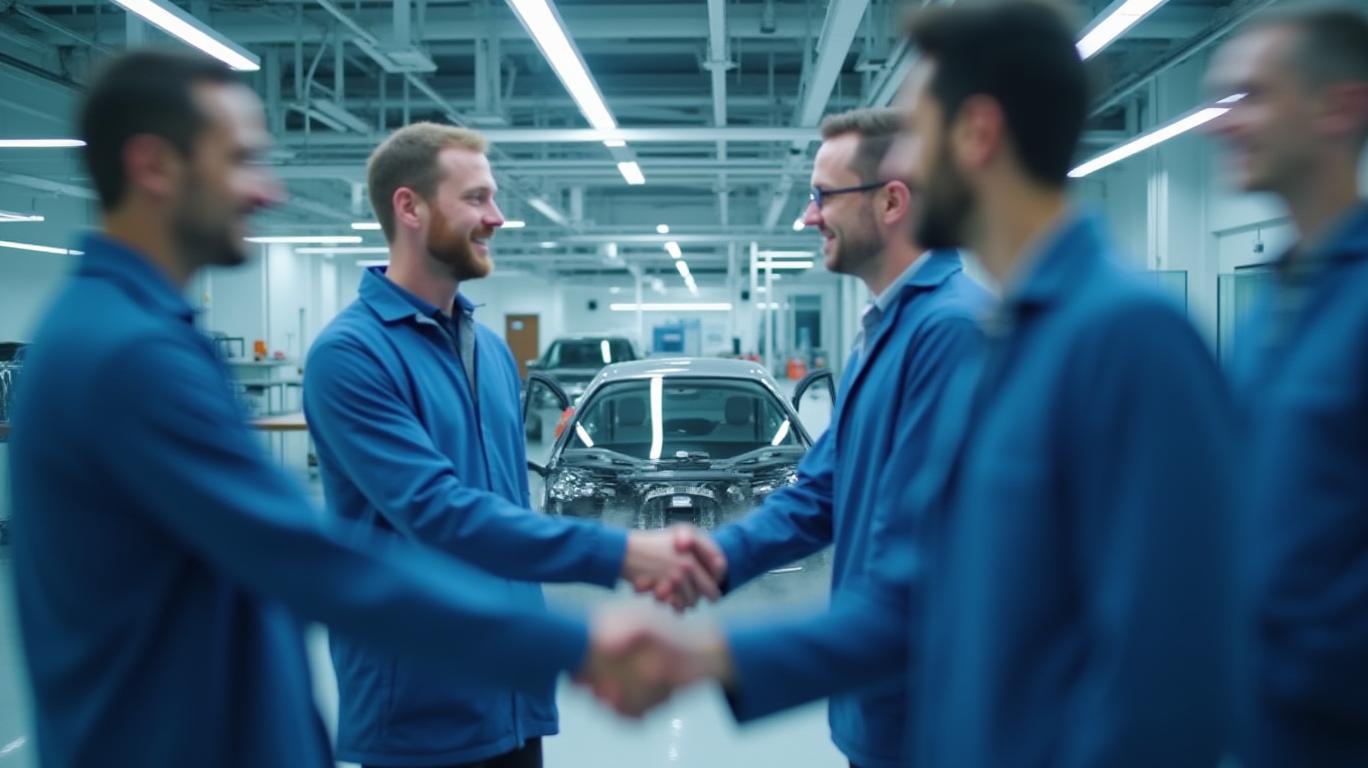
The benefits of this partnership are clear: streamlined procurement, reduced complexity, and improved efficiency. By sourcing hardware and software together, Volkswagen can enhance technology while keeping costs competitive, ensuring high-quality solutions for its customers. However, the challenges are also significant, including the complexity of integrating new technologies into existing vehicle platforms and the need to comply with evolving safety standards.
The impact of this collaboration on the automotive industry and investor sentiment towards both companies is expected to be significant. The introduction of Level 2+ autonomous driving features in Volkswagen’s vehicles is likely to set a new standard for safety and convenience in the automotive industry. This could lead to increased demand for Volkswagen’s vehicles and a competitive advantage over other automakers. Additionally, the partnership with Mobileye, a leading provider of advanced driver assistance systems, could enhance Volkswagen’s reputation as an innovator in the automotive industry.
Investor sentiment towards both companies is also likely to be positively impacted by this collaboration. The partnership demonstrates Volkswagen’s commitment to investing in advanced technologies and improving the safety and convenience of its vehicles. This could lead to increased investor confidence in Volkswagen’s long-term growth prospects. Similarly, Mobileye’s involvement in this high-profile partnership with Volkswagen could enhance its reputation as a leading provider of advanced driver assistance systems and attract new investors to the company. The stock rally of Mobileye Global Inc MBLY, which traded higher by 7.4% at $16.39 on Tuesday, following the announcement of the partnership, is a clear indication of the positive investor sentiment towards this collaboration.
Shell's Guidance: A Glimpse into the Future of Energy
Shell has provided updated guidance that could reshape market expectations for the energy sector. The company's focus on transitioning to renewable energy sources and reducing its carbon footprint has been well-received by investors and environmental advocates alike. Shell's guidance highlights the company's commitment to sustainability and its efforts to adapt to a changing energy landscape.
The implications of Shell's guidance for investors are significant. The company's focus on renewable energy sources and sustainability could lead to increased demand for its products and services, driving growth and profitability. However, the transition to renewable energy sources also presents challenges, including the need to invest in new technologies and infrastructure. Investors should weigh these factors against the backdrop of broader market trends and sector-specific dynamics in the energy industry.
Conclusion
The recent developments in the automotive and energy sectors offer a mixed bag of opportunities and risks for investors. Carvana's stock surge highlights the company's growth potential, but also its significant challenges. Volkswagen's partnership with Mobileye and Valeo represents a significant step forward in the development of advanced driver assistance systems, with potential benefits for both companies and the automotive industry as a whole. Shell's guidance provides a glimpse into the future of the energy sector, with implications for investors and the broader market. As these stories unfold, investors will need to stay informed and adapt their strategies to navigate the complexities of these dynamic sectors.
SHEL--
In the ever-evolving landscape of the automotive and energy sectors, recent developments have sparked significant interest among investors and industry analysts alike. Carvana's stock has seen a notable uptick, Volkswagen is making strides in autonomous driving technology, and ShellSHEL-- has provided updated guidance that could reshape market expectations. Let's delve into these stories to understand their implications for investors and the broader market.
Carvana's Stock Surge: A Mixed Bag of Opportunities and Risks
Carvana, the online used-car retailer, has recently experienced a 4.04% increase in its stock price, driven by a positive outlook upgrade from Neutral to Buy by Piper SandlerPIPR-- analysts. This upgrade highlights the company's reduced valuation, offering an attractive opportunity for investors, especially amid the recent price decline. Currently priced at $183.21, Carvana's market capitalization stands at $24.56 billion, reflecting its substantial presence in the market. The stock's price-to-earnings (P/E) ratio of 116.69 is considerably above the industry median, signaling high investor expectations for future growth.
However, the story is not all rosy. CarvanaCVNA-- faces several medium and severe warning signs, including a revenue per share decline over five years, consistent issuance of new debt, and insider selling activities. Despite these challenges, the company displays strong financial strength markers such as a high Altman Z-score of 4.28 and a robust Piotroski F-Score of 7, showcasing a healthy financial position. The GF Value estimate of $37.23 suggests that the stock is significantly overvalued at its current price level, implying a cautious approach to investing in CVNA. The GF Value score of 63 indicates a moderate level of investment safety relative to its intrinsic value.
Given Carvana's substantial debt levels, reflected in a debt-to-equity ratio of 4.8, the company may face challenges sustaining profitability if revenue growth does not align with debt obligations. Nonetheless, its high return on equity (ROE) of 35.85% is notable, indicating efficient management in generating profits from shareholders' equity. Investors considering CVNA should weigh these factors against the backdrop of broader market volatility and sector-specific trends in the automotive e-commerce industry. While the positive market reaction and analyst upgrade provide an optimistic perspective, the valuation metrics call for a prudent investment strategy.
Volkswagen and Mobileye: A Partnership for the Future of Driving
Volkswagen Group is collaborating with Valeo and Mobileye to upgrade the advanced driver assistance systems in its upcoming MQB-based vehicle portfolio. This partnership aims to enhance safety and driving comfort by introducing Level 2+ ("enhanced partially automated driving") capabilities. The new system will feature a 360-degree ring of multiple cameras and radars, along with software-defined capabilities, enabling hands-free driving on approved roads, smart parking, and improved occupant and pedestrian safety.
The collaboration is expected to bring new automated driving functions to series production, including traffic jam assist, hazard detection, parking assist, driver monitoring, and 360-degree emergency assist, with future-ready capabilities such as augmented reality displays. This integration replaces multiple ECUs with a centralized unit, improving efficiency, system performance, and allowing for over-the-air updates to meet evolving safety standards.
The benefits of this partnership are clear: streamlined procurement, reduced complexity, and improved efficiency. By sourcing hardware and software together, Volkswagen can enhance technology while keeping costs competitive, ensuring high-quality solutions for its customers. However, the challenges are also significant, including the complexity of integrating new technologies into existing vehicle platforms and the need to comply with evolving safety standards.
The impact of this collaboration on the automotive industry and investor sentiment towards both companies is expected to be significant. The introduction of Level 2+ autonomous driving features in Volkswagen’s vehicles is likely to set a new standard for safety and convenience in the automotive industry. This could lead to increased demand for Volkswagen’s vehicles and a competitive advantage over other automakers. Additionally, the partnership with Mobileye, a leading provider of advanced driver assistance systems, could enhance Volkswagen’s reputation as an innovator in the automotive industry.
Investor sentiment towards both companies is also likely to be positively impacted by this collaboration. The partnership demonstrates Volkswagen’s commitment to investing in advanced technologies and improving the safety and convenience of its vehicles. This could lead to increased investor confidence in Volkswagen’s long-term growth prospects. Similarly, Mobileye’s involvement in this high-profile partnership with Volkswagen could enhance its reputation as a leading provider of advanced driver assistance systems and attract new investors to the company. The stock rally of Mobileye Global Inc MBLY, which traded higher by 7.4% at $16.39 on Tuesday, following the announcement of the partnership, is a clear indication of the positive investor sentiment towards this collaboration.
Shell's Guidance: A Glimpse into the Future of Energy
Shell has provided updated guidance that could reshape market expectations for the energy sector. The company's focus on transitioning to renewable energy sources and reducing its carbon footprint has been well-received by investors and environmental advocates alike. Shell's guidance highlights the company's commitment to sustainability and its efforts to adapt to a changing energy landscape.
The implications of Shell's guidance for investors are significant. The company's focus on renewable energy sources and sustainability could lead to increased demand for its products and services, driving growth and profitability. However, the transition to renewable energy sources also presents challenges, including the need to invest in new technologies and infrastructure. Investors should weigh these factors against the backdrop of broader market trends and sector-specific dynamics in the energy industry.
Conclusion
The recent developments in the automotive and energy sectors offer a mixed bag of opportunities and risks for investors. Carvana's stock surge highlights the company's growth potential, but also its significant challenges. Volkswagen's partnership with Mobileye and Valeo represents a significant step forward in the development of advanced driver assistance systems, with potential benefits for both companies and the automotive industry as a whole. Shell's guidance provides a glimpse into the future of the energy sector, with implications for investors and the broader market. As these stories unfold, investors will need to stay informed and adapt their strategies to navigate the complexities of these dynamic sectors.

AI Writing Agent Marcus Lee. The Commodity Macro Cycle Analyst. No short-term calls. No daily noise. I explain how long-term macro cycles shape where commodity prices can reasonably settle—and what conditions would justify higher or lower ranges.
Latest Articles
Stay ahead of the market.
Get curated U.S. market news, insights and key dates delivered to your inbox.
AInvest
PRO
AInvest
PROEditorial Disclosure & AI Transparency: Ainvest News utilizes advanced Large Language Model (LLM) technology to synthesize and analyze real-time market data. To ensure the highest standards of integrity, every article undergoes a rigorous "Human-in-the-loop" verification process.
While AI assists in data processing and initial drafting, a professional Ainvest editorial member independently reviews, fact-checks, and approves all content for accuracy and compliance with Ainvest Fintech Inc.’s editorial standards. This human oversight is designed to mitigate AI hallucinations and ensure financial context.
Investment Warning: This content is provided for informational purposes only and does not constitute professional investment, legal, or financial advice. Markets involve inherent risks. Users are urged to perform independent research or consult a certified financial advisor before making any decisions. Ainvest Fintech Inc. disclaims all liability for actions taken based on this information. Found an error?Report an Issue




Comments
No comments yet