
Carnival Corporation Stock Plunges 7.38% to 2025 Low on Mixed Earnings and Valuation Concerns
 Aime Summary
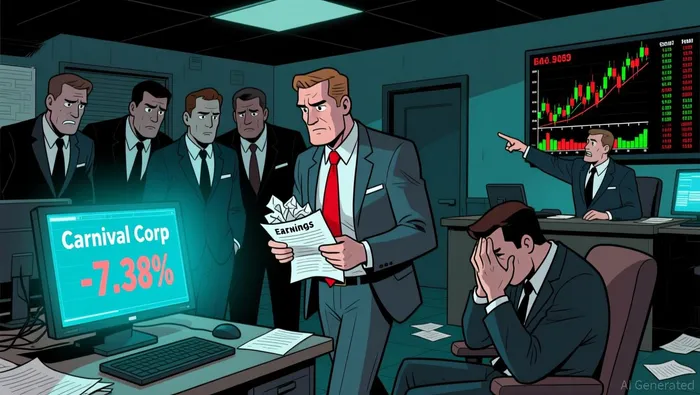
The share price fell to its lowest level since June 2025 today, with an intraday decline of 7.38%.
Carnival Corporation’s stock slump reflects mixed signals from earnings, analyst sentiment, and valuation dynamics. Despite reporting Q2 earnings of $1.43 per share—exceeding estimates—and raising full-year guidance to $2.14 EPS, the stock underperformed. Analysts remain split, with upgrades from JPMorgan and Wells Fargo offset by cautious “hold” ratings from others. Institutional ownership at 67.19% underscores long-term confidence, though recent fund activity—including stake reductions and additions in earlier quarters—is excluded from current analysis due to timing. The company’s global cruise operations benefit from post-pandemic demand recovery, yet risks like high debt and liquidity constraints persist.
Valuation metrics highlight Carnival’s undervaluation, with a P/E ratio of 13.83 and a beta of 2.67 indicating volatility. Technical indicators, including a 50-day moving average above recent prices, suggest potential for a rebound. However, a debt-to-equity ratio of 2.10 and weak liquidity metrics (quick ratio of 0.30) amplify near-term risks. The stock’s trajectory hinges on balancing operational resilience, strategic fleet utilization, and macroeconomic headwinds. Investors must weigh these factors against short-term volatility and divergent analyst outlooks.

Stay ahead of the market.
Get curated U.S. market news, insights and key dates delivered to your inbox.
AInvest
PRO
AInvest
PRO



Comments
No comments yet