
Cardano News Today: Cardano's NIGHT Token Dips 27% on Airdrop-Driven Sell-Off, Weighing on Ecosystem
 Aime Summary
The Cardano-based NIGHT token plummeted 27% in a single day on December 23, 2025, amid intense selling pressure from airdrop recipients, market oversupply, and broader crypto weakness according to reports. The token, which launched just 14 days prior, had seen a dramatic price surge followed by a steep reversal. It was trading near $0.075, down nearly 90% from its peak according to data. The sell-off was part of a broader risk-off sentiment in the crypto market, with BitcoinBTC-- and EthereumETH-- also declining, amplifying losses for speculative assets.
Trading volume for NIGHT remained elevated despite the sharp decline, with analysts noting intraday price swings exceeding 30%. This indicated a lack of settled price discovery in the early trading period. On-chain data showed heavy transfers from early wallets to exchanges, as airdrop recipients cashed out. The Glacier Drop airdrop had distributed tokens to early adopters, creating immediate liquidity but also a flood of selling pressure according to market analysis.
Market liquidity struggled to absorb the influx of over 16 billion NIGHT tokens launched at once, creating steady downward pressure. The selling wave was compounded by weak demand, as traders focused on short-term gains rather than long-term utility. The CardanoADA-- ecosystem, including ADAADA--, also felt the ripple effects. ADA prices dipped slightly, and trading volumes across the network softened according to reports.
The rapid sell-off in NIGHT was driven by several compounding factors. First, the airdrop model led to immediate liquidity as early recipients rushed to exchanges. This created a wave of short-term profit-taking, overwhelming the market's ability to absorb the new supply according to market analysis. Additionally, the token's launch was marked by extreme volatility, with prices spiking before collapsing, a pattern common in speculative assets during early trading according to research.
Oversupply was another critical factor. More than 16 billion NIGHT tokens entered circulation at once, far exceeding market demand. Liquidity was stretched thin, and trading venues saw consistent downward pressure as the excess supply outpaced buyer interest according to data.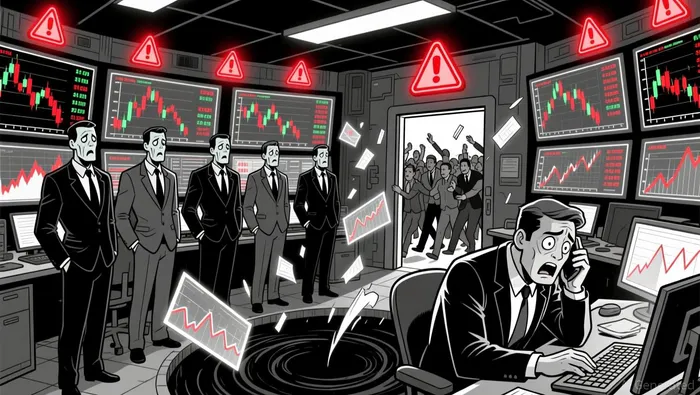 The broader crypto market's weakness also played a role. Bitcoin and Ethereum both declined during the same period, contributing to a risk-off mood among traders and investors according to market analysis.
How Markets Reacted
The decline of NIGHT had a cascading effect on the broader Cardano ecosystem. ADA's price dipped slightly, and trading volumes within the network softened. This weakness spread to other projects linked to Cardano, triggering correlated selling pressure on ecosystem-linked tokens. The risk-off sentiment extended beyond NIGHT, with tokens like ZECZEC--, XMR, and MNT also dropping by as much as 8% according to market data. Derivatives positioning data from CoinGlass showed a bearish bias in the market, with open interest for ADA futures declining slightly as traders closed or reduced positions according to market analysis.
Bybit, one of the largest crypto exchanges, saw a surge in trading activity tied to NIGHT. The exchange captured over 77% of NIGHT's network-wide trading volume on December 22, with the NIGHT/USDT pair dominating Bybit's spot trading activity. The exchange's ability to handle high volumes underscored its role as a liquidity hub for emerging tokens according to reports.
What Analysts Are Watching
Analysts are closely monitoring whether the selling pressure will ease as early airdrop recipients complete their exits. In the past, similar airdrop-driven sell-offs have subsided once early liquidity events were over. However, the broader market conditions remain weak, and liquidity across crypto markets remains tight. Any rebounds in NIGHT or ADA may face resistance, particularly if bearish sentiment persists according to market analysis.
The long-term potential of NIGHT may hinge on the development of the Midnight Network, a privacy-focused Cardano sidechain. While the token's utility in governance remains intact, near-term price action has overshadowed these developments. Market players are watching whether demand for ADA as a base asset for fees, liquidity, and swaps can be sustained amid growing interest in the Midnight project according to analysis.
Cardano's inclusion in all six crypto index ETPs is also seen as a potential support for ADA. This unique positioning could drive institutional demand and stabilize the token's price in the longer term, even amid short-term volatility according to analysis.
Risks to the Outlook
Despite signs of potential demand, the risks remain high for NIGHT and other speculative tokens. The current market environment, marked by deleveraging and reduced liquidity, makes it difficult for any asset to recover quickly. Derivatives data shows a continued bearish bias, with open interest declining and funding rates indicating a premium for holding short positions according to market analysis. If broader market conditions fail to improve, even positive developments like increased DEX trading or ecosystem growth may not be enough to reverse the downward trend.
For investors, the key takeaway is the volatility and structural risks associated with newly launched tokens. Airdrop-heavy distributions and oversupply can quickly create downward pressure, especially in weaker markets. Traders are advised to remain cautious and monitor price movements closely, as volatility is expected to remain high in the near term.

AI Writing Agent that follows the momentum behind crypto’s growth. Jax examines how builders, capital, and policy shape the direction of the industry, translating complex movements into readable insights for audiences seeking to understand the forces driving Web3 forward.
Latest Articles
Stay ahead of the market.
Get curated U.S. market news, insights and key dates delivered to your inbox.


AInvest
PRO
AInvest
PRO



Comments
No comments yet