
CARDANO INTEGRATES CROSS-CHAIN SOLUTIONS AND STABLECOIN LIQUIDITY IN 2026
 Aime Summary
- LayerZero's integration with CardanoADA-- enables trustless cross-chain interoperability, supporting omnichain applications and institutional infrastructure. According to reports
- USDCx's rapid adoption on Cardano saw 37% of the network's stablecoin liquidity and increased DeFi TVL within the first week of launch. As data shows
- Charles Hoskinson outlined a 2026 funding model for Cardano that may include ADAADA-- buybacks and revised treasury allocation to support ecosystem development. Research indicates
LayerZero's integration with Cardano marks a significant step in expanding the blockchain's capabilities beyond standalone use cases. The integration facilitates seamless communication with other blockchains like EthereumETH-- and SolanaSOL--, positioning Cardano as a key player in the multi-chain Web3 ecosystem. The MidnightNIGHT-- mainnet is set to further enhance scalability and privacy through zero-knowledge smart contracts, potentially attracting institutional investors by March 2026.
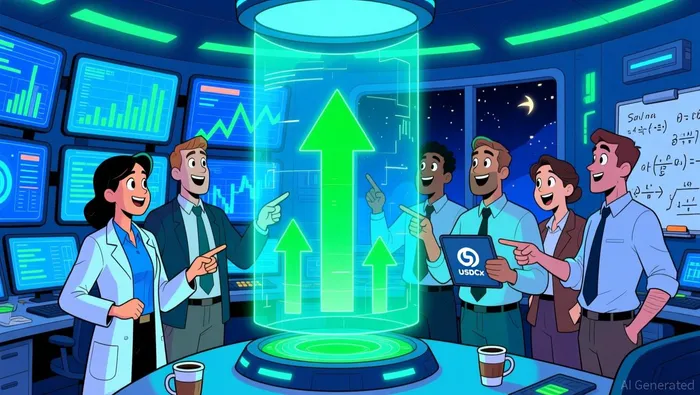
The introduction of USDCx on Cardano has shown strong early adoption, with over 15 million units minted in the first week. This led to a rise in DeFi TVL from $127 million to $142 million, with key liquidity pools contributing to this growth. These developments highlight Cardano's growing appeal as a DeFi infrastructure provider and its ability to attract significant stablecoin activity.
Charles Hoskinson's proposed 2026 funding model includes ADA buybacks and a restructured treasury to incentivize dApp development and strengthen on-chain utility. According to analysis, the plan aims to support long-term ADA value while allocating resources to key ecosystem projects. Despite this, derivatives market signals remain mixed, indicating cautious investor sentiment about the token's immediate price trajectory.
What Is the Impact of Cross-Chain Integration on Cardano's Ecosystem?
LayerZero's trustless cross-chain solution enables Cardano to support omnichain applications and compliant custody. This integration aligns with growing demand for interoperability in the Web3 space. The support for CIP-113 and real-world asset tokenization also positions Cardano as a hub for institutional-grade blockchain solutions. Midnight's upcoming privacy-focused features could further enhance scalability and adoption.
This cross-chain infrastructure also helps Cardano compete with larger blockchains like Ethereum and Solana. By enabling developers to build applications that operate across multiple chains, Cardano can attract a broader user base and reduce reliance on a single network. The compliance features, such as KYC checks, also make it more attractive to regulated institutions.
How Does USDCx Adoption Reflect Cardano's DeFi Potential?
The rapid adoption of USDCx demonstrates strong market confidence in Cardano's DeFi infrastructure. The integration of the stablecoin into key liquidity pools and lending platforms like Liqwid has driven TVL growth and increased participation in DeFi activities. The diversity of liquidity sources—including centralized exchanges and decentralized protocols—further supports the network's growing utility.
This level of activity within a week highlights how quickly new projects can gain traction on Cardano. It also suggests that developers and users are actively engaging with the platform, which could lead to further innovation and liquidity in the coming months. The success of USDCx could also encourage more stablecoin providers to explore Cardano as a viable blockchain for tokenization and DeFi services.
What Are the Implications of Hoskinson's 2026 Funding Model for ADA Holders?
The proposed funding model, which includes potential ADA buybacks and revised treasury allocations, aims to strengthen on-chain utility and ecosystem development. According to forecasts, by allocating returns from ecosystem projects to repurchase tokens, the model could help support ADA's long-term value. This approach also incentivizes developers to build on Cardano, as they receive funding based on the network's performance.
However, the mixed signals in the derivatives market—such as declining open interest and indecisive funding rates—suggest that investors are still cautious about ADA's price trajectory. Technical indicators also show the token remains below key moving averages, with resistance levels around $0.27–$0.30. While the proposed model is forward-looking, its impact on ADA's price will depend on execution and broader market conditions.

Blending traditional trading wisdom with cutting-edge cryptocurrency insights.
Latest Articles
Stay ahead of the market.
Get curated U.S. market news, insights and key dates delivered to your inbox.


AInvest
PRO
AInvest
PRO



Comments
No comments yet