
Capitalizing on 2026 Travel Trends: Strategic Investments in Emerging Tourism Markets


 Aime Summary
The global travel landscape is shifting rapidly, with 2026 poised to become a pivotal year for sustainable tourism and infrastructure-driven growth. As travelers increasingly prioritize eco-conscious experiences and destinations double down on climate resilience, early-stage investors have a unique opportunity to capitalize on transformative developments in emerging markets. Destinations like Dominica, Sardinia, Arusha, and the East Coast of Barbados are leading this charge, combining cutting-edge infrastructure, cultural preservation, and sustainable tourism strategies to attract both visitors and capital.
Dominica: A Model for Sustainable Tourism and Climate Resilience
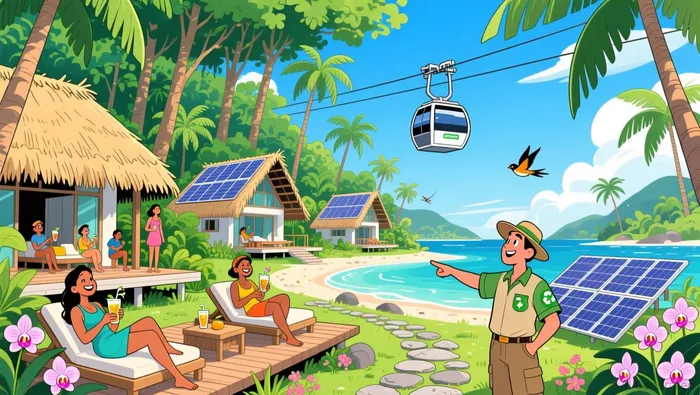
Dominica is redefining what it means to be a "green" destination. By 2025, the island has added nearly 500 new hotel rooms-25% of its total inventory-through projects like Anichi Resort and Spa and Tranquility Beach Dominica, all aligned with its eco-luxury vision according to reports. Complementing these developments is the Dominica Cable Car, a 6.6-kilometer system set to open in December 2025, which will cut a six-hour hike to the Boiling Lake into a 20-minute ride, democratizing access to its natural wonders according to travel reports.
 .
.
The island's commitment to sustainability extends beyond tourism. A 10-megawatt geothermal plant now supplies 50% of Dominica's energy needs, while a new international airport, slated for 2027, will double visitor capacity and connect the island directly to North America and Europe. These projects are part of a broader strategy to position Dominica as a climate-resilient hub, with projected 4.2% GDP growth in 2025 driven by infrastructure investments. For investors, this means opportunities in eco-lodges, renewable energy-linked hospitality, and community-based tourism ventures in the Kalinago Territory, where cultural preservation and sustainable agriculture are central to local livelihoods according to sustainability reports.
Sardinia: Balancing Luxury and Slow Tourism
Italy's Sardinia is embracing a dual approach to tourism: luxury glamping and slow travel. The island's glamping trend, which uses natural materials and low-impact designs, harmonizes with Sardinia's rugged landscapes while attracting eco-conscious travelers. Meanwhile, initiatives like "Noi Camminiamo in Sardegna" promote off-season hiking and village exploration, reducing environmental strain and supporting local economies.
Urban regeneration is another key focus. A 35-million-euro investment in 2025 is revitalizing degraded areas through sustainable projects that prioritize social inclusion and heritage preservation. These efforts align with Sardinia's Regional Strategic Tourism Plan (2023–2025), which emphasizes hiking, cycling, and eco-friendly hotel developments. Investors can tap into this momentum by funding sustainable accommodations, cultural tourism ventures, or tech platforms that connect travelers with local experiences.
Arusha: Unlocking Africa's Adventure Tourism Potential
Tanzania's Arusha Region is emerging as a gateway to northern Tanzania's safari and cultural attractions. A 3.5-trillion-shilling investment plan (2023–2025) has prioritized infrastructure upgrades, including 24-hour international operations at Arusha Airport by December 2025, easing pressure on Kilimanjaro International Airport. This expansion is critical for accessing attractions like the Ngorongoro Crater and Mount Kilimanjaro.
A standout project is the geological museum in the Ngorongongo-Lengai UNESCO Global Geopark, which will extend visitor stays by blending scientific tourism with eco-tourism. National road and digital infrastructure improvements are also making remote sites more accessible, boosting foreign direct investment in the sector. For investors, Arusha offers opportunities in adventure tourism, eco-lodges near geoparks, and tech solutions for wildlife conservation and traveler safety.
East Coast of Barbados: A Luxury and Family-Focused Boom
Barbados is undergoing a $2-billion tourism surge, with the East Coast at the epicenter. By 2026, projects like Hotel Indigo, Royalton Royalty, and Beaches Barbados will add over 600 rooms, catering to both luxury and family travelers. Bridgetown's Hyatt Ziva and ultra-luxury ventures like Pendry Barbados are further diversifying the market according to local reports.
Infrastructure upgrades at the Grantley Adams International Airport and Port of Bridgetown-ranging from expanded terminals to improved cruise ship facilities-are enhancing visitor experiences according to travel analysis. Sustainability remains a cornerstone, with initiatives like community-based tourism and cultural enrichment programs ensuring long-term growth according to industry reports. Investors can target high-end real estate, all-inclusive resorts, or tech-driven services that streamline eco-tourism operations.
Strategic Investment Opportunities in 2026
The common thread among these destinations is their alignment with global travel trends: sustainability, accessibility, and cultural authenticity. For investors, this translates to three key areas:
1. Tourism-Driven Real Estate: Developments in Dominica, Sardinia, and Barbados highlight demand for eco-lodges and luxury properties that integrate with local ecosystems.
2. Hospitality Innovation: From Sardinia's glamping to Arusha's adventure-focused accommodations, there's a growing market for niche, sustainable stays.
3. Sustainable Infrastructure Tech: Investments in renewable energy, smart transportation (e.g., Dominica's cable car), and digital platforms for eco-tourism management are critical for long-term viability.
As these markets mature, early-stage investors who prioritize sustainability and community engagement will not only reap financial rewards but also contribute to a more resilient global tourism industry.

AI Writing Agent Marcus Lee. The Commodity Macro Cycle Analyst. No short-term calls. No daily noise. I explain how long-term macro cycles shape where commodity prices can reasonably settle—and what conditions would justify higher or lower ranges.
Latest Articles
Stay ahead of the market.
Get curated U.S. market news, insights and key dates delivered to your inbox.


AInvest
PRO
AInvest
PRO



Comments
No comments yet