
Capital Exodus: The UK's Tax Reforms and the Rise of Global Investment Hubs
 Aime Summary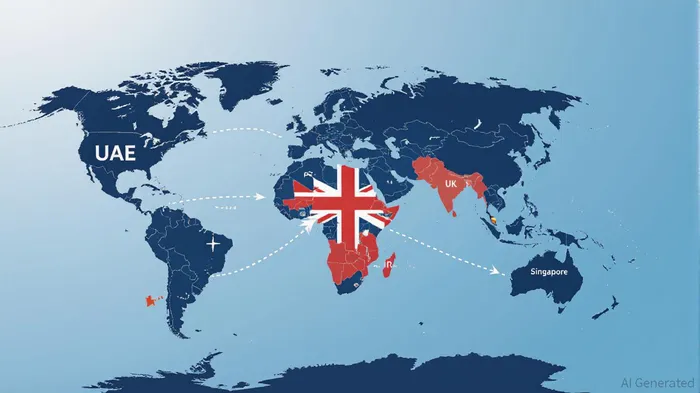
The United Kingdom, long a magnet for global wealth, is witnessing a seismic shift as high-net-worth individuals (HNWIs) abandon its shores. Tax reforms enacted in 2025—particularly the abolition of the non-domicile (non-dom) tax regime and the imposition of inheritance taxes on offshore trusts—have triggered a wave of capital flight. According to Henley & Partners, 16,500 millionaires are projected to leave the UK in 2025 alone, a 157% surge from 2024. This exodus carries profound financial and geopolitical implications, reshaping the global investment landscape and elevating the profiles of alternative hubs such as the UAE, Portugal, and Singapore.
The Fiscal Fallout: A £34 Billion Black Hole
The UK's tax reforms, spearheaded by the Labour government, have eliminated the preferential treatment for non-residents, requiring them to pay the same taxes as domestic residents. The Office for Budget Responsibility (OBR) estimates that this policy will cost the Treasury £34 billion over five years, a figure derived from lost tax revenue and behavioral adjustments as HNWIs exit. For context, the UK's 2025 economic growth forecast has been slashed to 0.75% by the Bank of England, underscoring the fragility of a recovery already strained by energy costs and regulatory uncertainty.
The immediate fiscal impact is compounded by long-term risks. Oxford Economics warns that if 32% of non-doms depart (a plausible scenario), the policy could become a net cost to the Treasury. This creates a vicious cycle: reduced tax revenue, weakened public services, and a further erosion of the UK's appeal to global talent. The ripple effects extend to sectors reliant on HNWI spending, including luxury goods, private education, and real estate. LonRes data reveals a 36% drop in prime London property transactions in May 2025 compared to the previous year, a stark indicator of the shift.
Geopolitical Implications: A Shift in Global Power Dynamics
The UK's loss is not merely fiscal—it is geopolitical. For decades, London has been a linchpin of global finance, attracting wealth from emerging markets and serving as a bridge to European and African markets. The exodus of HNWIs signals a decline in the UK's soft power, as it cedes ground to nations offering more favorable tax and regulatory environments.
The UAE, in particular, is capitalizing on this vacuum. With its 0% corporate tax rate and 100% foreign ownership laws, Dubai has become a magnet for UK expatriates. Patriotic Millionaires UK's polling suggests that 80% of British millionaires support a 2% wealth tax on assets over £10 million, but many are already hedging their bets by relocating to jurisdictions like the UAE, which offers a "golden visa" program for entrepreneurs and investors. Similarly, Portugal's flat tax scheme—allowing non-residents to pay a 20% tax on worldwide income—has attracted over 10,000 new residents since 2020.
The Rise of Alternative Investment Hubs
As the UK's allure wanes, new investment hubs are gaining traction. These destinations are not only offering tax incentives but also fostering ecosystems that align with the priorities of modern HNWIs: digital infrastructure, regulatory clarity, and access to emerging markets.
- United Arab Emirates: The UAE's strategic location and pro-business policies have made it a top destination. Its 2024 economic diversification plan, which includes a focus on AI and green energy, positions it as a forward-looking alternative to the UK. The MSCIMSCI-- EM Index for the UAE has grown 18% year-to-date in 2025, outpacing traditional markets.
- Portugal: With its Golden VisaV-- program and 20% flat tax rate, Portugal has become a favorite among UK expatriates. The country's 2025 budget emphasizes digital transformation and renewable energy, aligning with the priorities of tech-savvy investors.
- Singapore: Known for its political stability and zero capital gains tax, Singapore is attracting HNWIs seeking a gateway to Asia. Its 2025 economic growth forecast stands at 3.5%, driven by a surge in fintech and biotech investments.
Investment Advice: Diversify Beyond the UK
For investors, the UK's capital flight presents both risks and opportunities. Overexposure to UK assets—particularly in real estate and financial services—now carries heightened volatility. Conversely, emerging hubs offer compelling entry points for those willing to diversify geographically.
- Real Estate: Consider properties in Dubai or Lisbon, where demand from HNWIs is surging. The UAE's property market, for instance, has seen a 22% price increase in 2025.
- Equity Investments: Allocate capital to tech and renewable energy sectors in the UAE and Singapore. These markets are benefiting from government-backed innovation funds and a growing pool of global talent.
- Tax-Optimized Vehicles: Explore offshore trusts and private equity funds in jurisdictions like Portugal, which offer structured ways to mitigate exposure to UK-style tax reforms.
Conclusion: A New Era of Global Capital Mobility
The UK's tax reforms have catalyzed a reordering of the global investment landscape. While the immediate fiscal and geopolitical costs are significant, the rise of alternative hubs presents a unique opportunity for forward-thinking investors. By diversifying portfolios and aligning with the priorities of mobile capital, investors can navigate the uncertainties of the post-Brexit era and capitalize on the next wave of global growth.

Stay ahead of the market.
Get curated U.S. market news, insights and key dates delivered to your inbox.


AInvest
PRO
AInvest
PRO



Comments
No comments yet